
News
Volkswagen Is Introducing Bidirectional Charging Technology To Europe

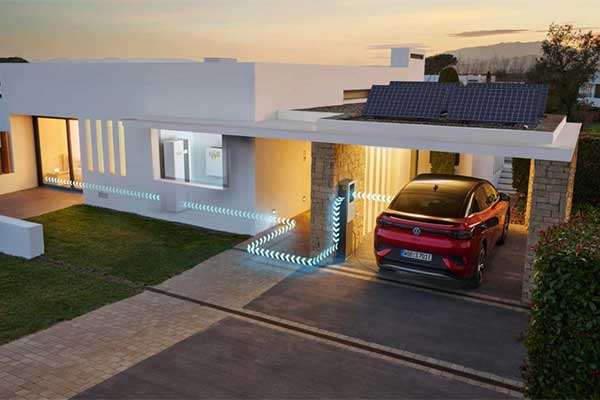
Volkswagen is finally introducing bidirectional charging technology in Europe. Bidirectional charging, often referred to as Vehicle-to-Home (V2H) technology, allows electric vehicles to not only draw power from the grid but also to give back to it. Volkswagen has announced it is rolling out this feature on its latest ID electric vehicles in Europe.
This option is available on Volkswagen ID models equipped with the 77-kilowatt-hour usable battery pack and running ID Software 3.5 or higher. These include the refreshed ID.3 and ID.4, the latest version of the ID.5, the all-new ID.7, and of course the ID.Buzz. Even existing customers will get to enjoy this feature through a software update.
Volkswagen claims that it is one of the pioneers in providing bidirectional charging solutions based on the CCS (Combined Charging System) DC charging standard, which is prevalent in Europe. In reality, other automakers like Nissan, Hyundai, Kia, Genesis, BYD, and MG have already embraced bidirectional charging on the continent, and Volkswagen is simply determined to catch up.
The question for US customers is whether they will soon be able to tap into this innovative technology. Volkswagen of America has hinted at the possibility, stating, “We are investigating this” However, as of now, there is no concrete timeline for its introduction across the Atlantic.
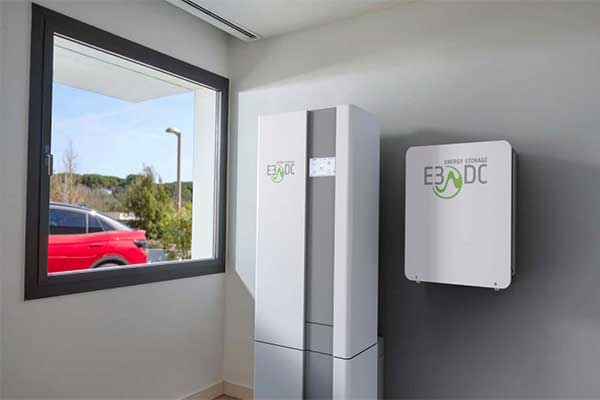
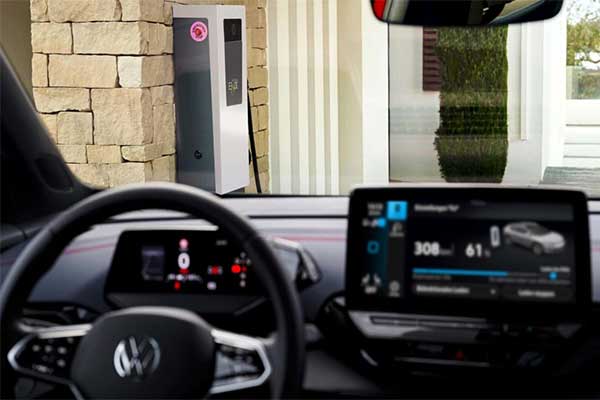
Bidirectional charging allows an electric car to act as an extension of your home’s energy storage system. When your home storage system requires additional energy, the ID electric vehicle kicks into action, supplying power. The only limitation is the bidirectional charging ceases when the vehicle’s high-voltage battery reaches a 20% state of charge. This ensures that the EV remains ready to hit the road when needed.
Volkswagen envisions this technology being used not only to power homes but also to store excess electricity generated by a home’s photovoltaic system. The automaker estimates that a house can be powered by solar energy stored in the vehicle battery during cloudy days or when the sun has set, and the photovoltaic system isn’t generating electricity. Moreover, in places with multiple electricity tariffs owners can charge their cars when renewable energy is abundant and prices are lower.






-
 News6 days ago
JLR Returns To Operating Profit As Range Rover Electric, Sport Electric And Jaguar Type 01 Lead Its New EV Push
-
 News1 week ago
Land Rover Is Suing BYD Over Suspected Defender Copying
-

 News1 week ago
Toyota And Waymo To Start Testing Self-Driving bZ4X SUVs In 2027 Ahead Of Robotaxi Service Launch
-

 News1 week ago
Porsche Restores Abu Dhabi Police’s 924 That Escorted Queen Elizabeth II During Her 1979 Royal Visit
-

 News5 days ago
Skoda To Stop Production Of The Octavia Diesel Engine By Next Year
-

 Car Theft1 week ago
Businessman Accuses Nigeria Police Of Returning Recovered ₦600 Million Rolls-Royce Phantom To Suspects
-

 News1 week ago
Honda Again Recalls More Than 635,000 Vehicles In The U.S
-
 News6 days ago
Mini Production At Oxford, UK, Has Stopped Due To Part Shortages

