
Car Facts
Buyers Want Something Different, But Automakers Continue To Add Screens

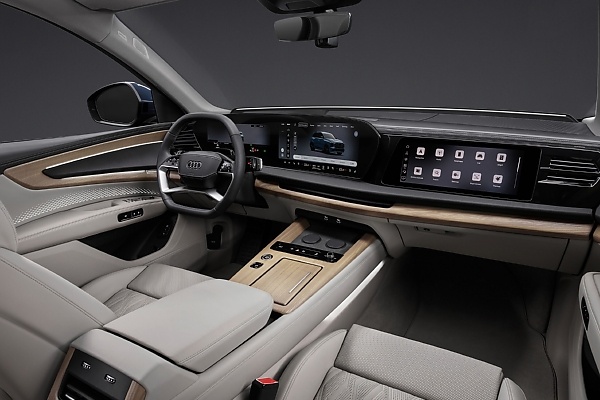
Modern 2026 vehicles are packed with tech, but the latest JD Power Tech Experience Index (TXI) study reveals that flashy innovations—like passenger screens—are often unpopular or unused. Instead, drivers prefer subtle, reliable features like smart climate control. Here is an overview of the study’s findings on which technologies actually enhance the driving experience.
Passenger Screens Are Rarely Used
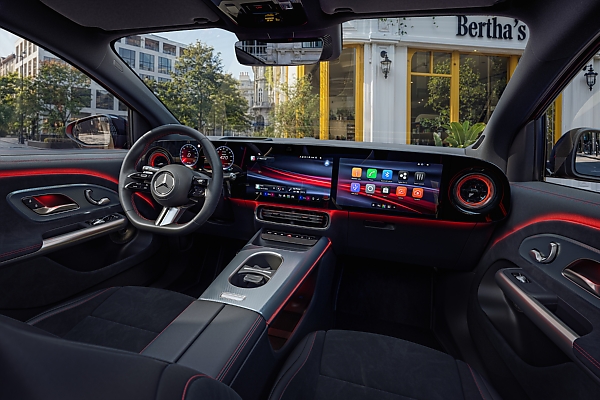
The J.D. Power Tech Experience Index study reveals that passenger-side screens are largely unpopular, with 35% of owners never using them and only 6% using them consistently. Despite high malfunction rates and redundancy compared to mobile devices, luxury brands like Audi, Mercedes-Benz, and Porsche continue to integrate these screens into new models.
Conversely, consumers prefer subtle, reliable tech over flashy innovations. Features like smart climate control and smart ignition are highly valued for their convenience and reliability. Additionally, the study found that drivers prefer hands-on Level 2 driver-assistance systems over less reliable hands-free Level 2+ alternatives.
“The most valued technology is often that which is unnoticed because it works seamlessly,” says Doron Hikry of J.D. Power. “Smart ignition and intuitive climate control simplify the drive, whereas excessive automation and extra screens don’t necessarily improve the experience. Automakers should prioritize features that solve real problems without adding stress.”
Cadillac Takes The Lead
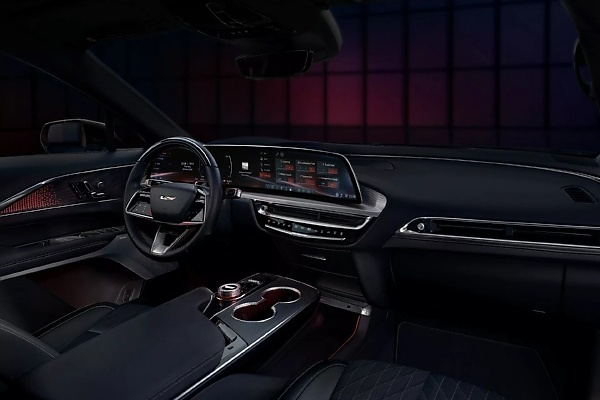
The J.D. Power 2026 Tech Experience Index (TXI) Study surveyed 68,084 vehicle owners to rank automotive technology. Cadillac led with 641 points, followed by Genesis, BMW, Hyundai, and Lincoln. While Tesla (924) and Rivian (781) would have topped the list, they did not meet the award criteria.
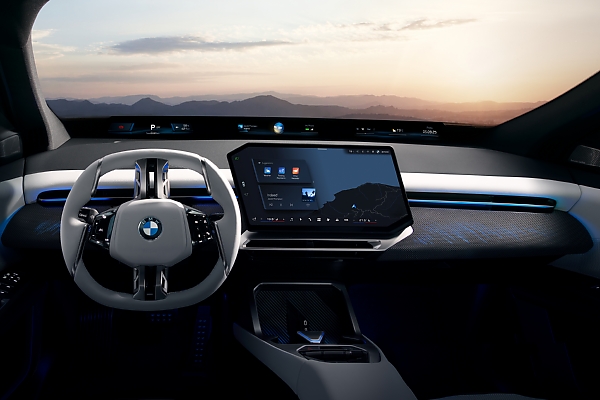
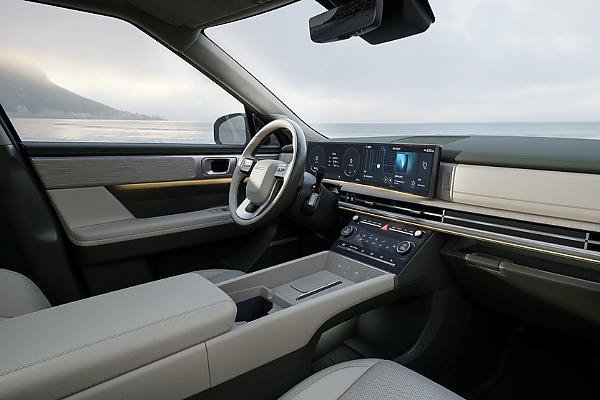
Hyundai dominated the mass-market model awards, with three wins in four categories. Features such as the phone-based digital key, blind-spot camera, and EV charging scheduler were appreciated by Hyundai owners. In the premium segment, the BMW iX’s one-pedal driving and the Cadillac Escalade’s rearview mirror helped those models come out on top in their categories.
Why It Is Important
Modern in-vehicle tech is increasingly seen as distracting, prompting brands like Mercedes-Benz, Volkswagen, and Audi to revert to physical switches and simpler interfaces. Safety regulators now plan to penalize manufacturers for overly complex controls.
The J.D. Power TXI study shows that flashy automotive tech often frustrates drivers. Manufacturers should prioritize reliability and user-centric design over complex features that provide little real-world value.
-
Read More: Why Do Automobiles Continue To Grow Heavy?









-

 News1 week ago
OMODA & JAECOO Strengthen European Presence, Record 73,421 Global Sales
-
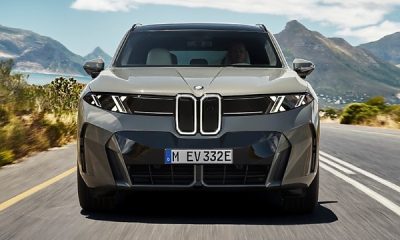
 News1 week ago
BMW Group Delivers 1.7 Million BMW, MINI And Rolls-Royce Cars In 9 Months, Down 4.9%
-
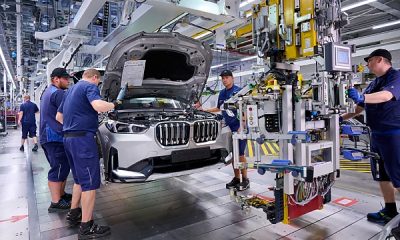
 News1 week ago
BMW Offers Employees Up To $730,000 In Voluntary Severance Packages
-
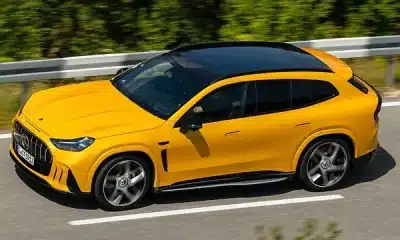
 Latest Cars1 week ago
Photos : All-new 2027 Mercedes-AMG GT 63 SUV
-

 Celebrities Auto1 week ago
LeBron James’ Bespoke Mercedes-Maybach S-Class To Be Auctioned For Charity
-
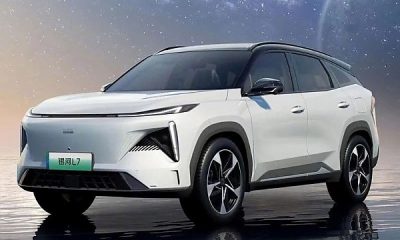
 News6 days ago
Record Penetration Of Chinese Cars In Europe
-
 News5 days ago
The 2027 Hyundai Tucson Base Model Has Impressive Standard Equipment
-
 News1 week ago
Ontario Plant In Canada Rolls Out The New RAV4 And Other Models