
Car Facts
Why Do Automobiles Continue To Grow Heavy?

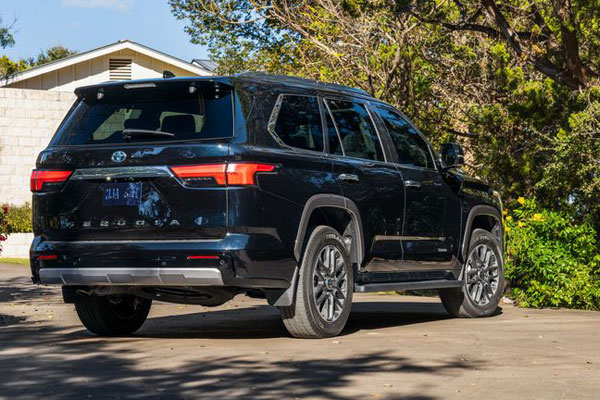
Modern cars are facing a weight crisis. Even “compact” models have grown in size and mass with each generation, with some full-size trucks exceeding three tons. This isn’t due to one factor but an incremental accumulation of space, power, technology, and safety features that has caused vehicle weight to spiral.
Modern Cars Are Simply Larger
Modern vehicles are getting heavier primarily because they are growing in size. Driven by consumer demand for spacious interiors, SUVs and crossovers now dominate the market. According to the EPA, vehicle footprints have consistently expanded since 2008, with trucks and truck-based SUVs accounting for 66% of 2024 production. This increased scale requires more materials—like metal, glass, and wiring—and forces upgrades to suspension, braking, and structural components, creating a cycle of increasing weight.
Safety Features Add Weight
Modern vehicles feature reinforced cabins, crumple zones, and advanced safety suites like automatic emergency braking and lane-keeping, all of which add significant mass through wiring, sensors, and structural reinforcements. While this improves safety, a 2025 IIHS study notes that benefits plateau above 4,000 pounds, where extra weight offers diminishing occupant protection while increasing risks to others.
Cheaper Cars To Follow Suit Soonest
Modern vehicles are heavier because consumer demand for premium features—like power seats, large touchscreens, and panoramic roofs—requires larger brakes, wheels, and suspension, triggering a weight spiral. Electric vehicles further compound this: while EVs replace heavy combustion parts with motors and batteries, these battery packs can weigh over 1,000 pounds. Consequently, battery-electric vehicles are generally heavier than gas models, with plug-in hybrids facing the additional burden of carrying both powertrain systems.
More Power Requires More Hardware
Modern cars pack more power than ever, with even family crossovers matching old-school sports cars. This performance requires heavy-duty hardware, including beefier transmissions, axles, and cooling systems, plus extra structural reinforcement to handle the force. While high horsepower is an easy marketing win, achieving significant weight reduction remains a complex and expensive engineering hurdle.
Lightweight Materials Are Expensive
While using lightweight materials like carbon fiber or aluminum could reduce vehicle weight, costs remain the primary barrier. According to the U.S. Department of Energy, a 10% weight reduction can improve fuel economy by 6–8%, but these materials are expensive to manufacture and repair. Consequently, automakers often use them only to offset the mass of added features like panoramic roofs and larger wheels, making widespread implementation difficult for mainstream, price-sensitive models.
Drivers Have Been Asking About This For Years
Automotive enthusiasts have debated this issue for over a decade. In an extensive discussion on r/cars regarding the increasing mass of modern vehicles, participants identified several interconnected factors, including expanded dimensions, enhanced crash protection, the integration of additional comfort amenities, more robust drivetrains, and the prohibitive costs associated with lightweight materials.
While individual features rarely result in a substantial increase in weight, the cumulative effect of manufacturers implementing these advancements simultaneously poses a significant engineering challenge.
Is There Hope For Cars To Be Lighter Again?
While a trend toward weight reduction is anticipated, it will not happen immediately. Innovations such as advanced high-strength steel, refined aluminum manufacturing, structural battery packs, and high-density energy cells hold the potential to reduce vehicle mass significantly. Furthermore, the development of more efficient battery technology could eventually render electric vehicles considerably lighter. Nevertheless, current consumer expectations regarding vehicle features and amenities remain the primary obstacle to achieving these weight-saving goals.








-

 Celebrities Auto1 week ago
Zimbabwe President’s Latest Ride Is Armored Rolls-Royce Cullinan, Joins Maybach S-Class Sedan And SUV
-

 Celebrities Auto1 week ago
Why Burkina Faso’s President Traoré Rejects Luxury SUVs For 2011 Toyota ‘Buffalo’ As Official Car
-

 News1 week ago
₦1.3 Billion Armored Rezvani Vengeance Lands In Nigeria Amid Insecurity, 2027 Elections
-
 News1 week ago
CR7’s $40M Car Collection, Lamborghini Revuelto SV, Xiaomi SkyNomad Series, Genesis GV90, News In August
-
 News3 days ago
Kaduna Governor Unveils 2026 Peugeot 3008 And 5008 SUVs, Urges Govt Patronage
-

 News1 week ago
Ferrari F40: Lewis Hamilton Acquires Childhood Dream Car After Selling Entire $30 Million Car Collection
-
 Auto Sport4 days ago
Italian GP: Lewis Hamilton Turns Heads With His Ferrari F40 — Why His “Dream” Car Is So Special
-

 News1 week ago
Talented Ahmad: Meet 18-Year-Old Nigerian Creator Who Built Drivable G-Class SUV From Scratch