
News
France Introduces Huge Taxes On New Cars: The “Havana Effect” Appears

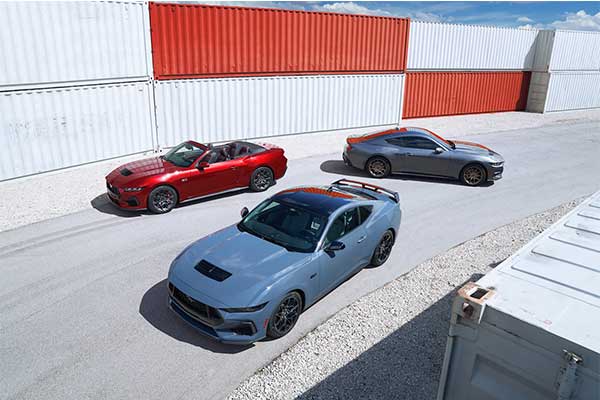
Imagine that you pay 40,000 euros for a new car, and you give another 60,000 euros to the state during registration. If your car is stolen, the insurance will only compensate you for the value of the car itself. Starting this year, exactly that can happen in France to buyers of heavier and more powerful cars.
France has been taxing cars according to CO2 emissions since 2008, but the system has been drastically tightened since this year. Buyers now pay two taxes – one based on CO2 emissions and the other based on vehicle weight. The CO₂ tax starts as low as 108 g/km, and for vehicles with 192 g/km, it reaches as much as 80,000 euros. At the same time, mass tax is applied to cars weighing more than 1,500 kg, whereby up to 30 euros can be paid for each additional kilogram.
Some cars become extremely expensive
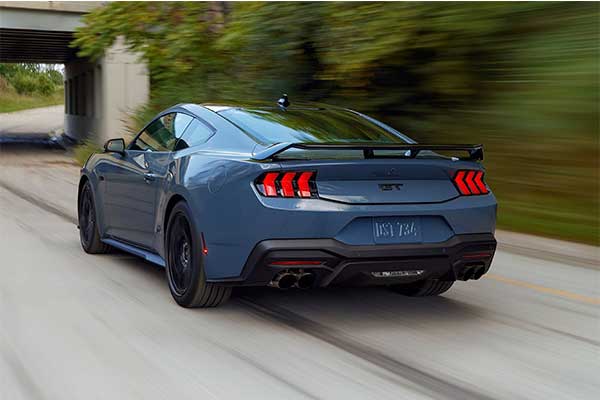
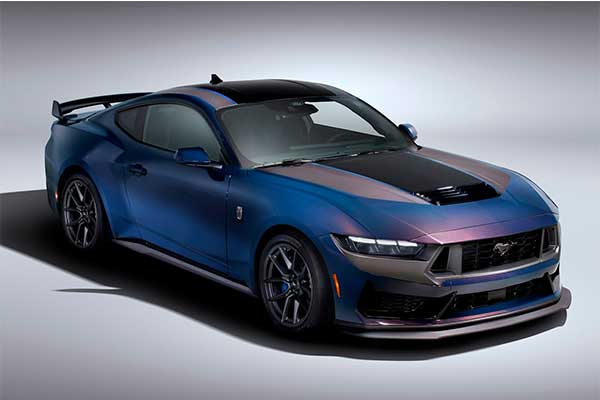
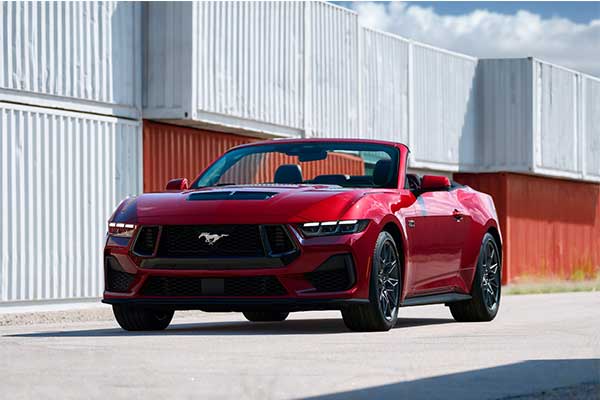
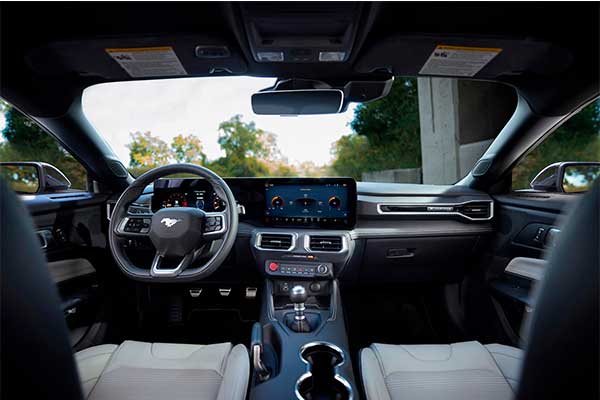
One example is the Ford Mustang GT, which costs around 60,000 euros in France. A maximum of 80,000 euros of CO₂ tax plus mass tax can be added to it during registration. Total taxation thus reaches as much as 134 percent of the car’s price.
Even plug-in hybrids are not always spared. Due to its low emissions, the Peugeot 5008 PHEV avoids the CO₂ tax, but due to its mass of 2,123 kg, it pays around 6,100 euros in mass tax. On the other hand, the buyer of the electric Renault 5 E-Tech, weighing around 1,450 kg, does not pay either of these two taxes.
Stolen car problem
An even bigger problem is that taxes paid are not refunded through insurance. If the car costs 35,000 euros, and the buyer pays another 55,000 euros in taxes to the state, in case of theft, the insurance will compensate only the value of the car. Therefore, according to the new law, a buyer in France can pay a total of 90,000 euros for a car, but in case of theft, compensation can only collect the value of the paid vehicle—35,000 euros.
Havana effect
These rules strongly favor the used car market. In the case of older vehicles, the tax is significantly lower, or there is none at all, so customers who want a more powerful or heavier car are increasingly choosing used vehicles instead of new vehicles. This creates the so-called “Havana “effect”—people keep old cars much longer, while the prices of well-preserved vehicles with powerful engines rise.
The paradox is that the measure is supposed to reduce emissions, but the consequence can be just the opposite: the average age of a car in France is increasing and has already passed 11 years. Instead of buying newer, more efficient cars, many drivers keep their old ones because of the high taxes on new ones.









-

 Celebrities Auto7 days ago
Zimbabwe President’s Latest Ride Is Armored Rolls-Royce Cullinan, Joins Maybach S-Class Sedan And SUV
-

 News1 week ago
Putin Test-Drives Chinese-Designed Volga K50 Built At Former Volkswagen Plant
-

 Car Theft1 week ago
Oyo Police Bust Trans-National Car Theft Syndicate, Recover Stolen Lexus RX 350
-

 Celebrities Auto7 days ago
Why Burkina Faso’s President Traoré Rejects Luxury SUVs For 2011 Toyota ‘Buffalo’ As Official Car
-

 News1 week ago
₦5.6 Billion ($3.5M) G-Stallion: Carlex Unveils One-Off G-Wagon With Horse-Inspired Roof Artwork
-

 News7 days ago
₦1.3 Billion Armored Rezvani Vengeance Lands In Nigeria Amid Insecurity, 2027 Elections
-
 News6 days ago
CR7’s $40M Car Collection, Lamborghini Revuelto SV, Xiaomi SkyNomad Series, Genesis GV90, News In August
-

 Autoshows & Awards1 week ago
$5M Car With No Roof? Handlers Rush To Save Bugatti W16 Mistral Interior During Heavy Rain