
News
NIO Celebrates 4 Million Battery Swaps, Takes 3-min To Change EVs Dead Batteries With Charged Ones

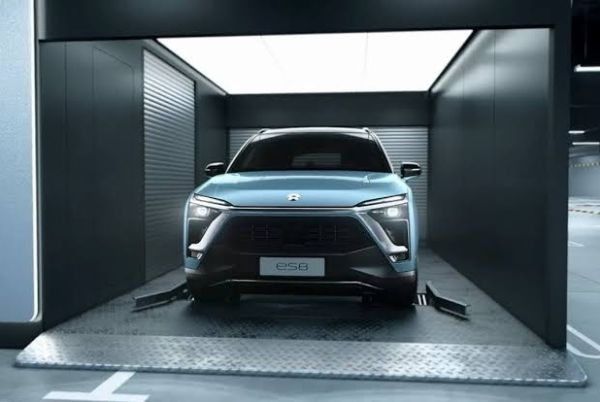
Answer to range anxiety? China’s electric car maker NIO celebrates customers 4 million battery swaps at its automated battery Swap Stations.
NIO currently has 504 Swap Stations, where dead battery packs can be replaced with fully charged ones in about three minutes.
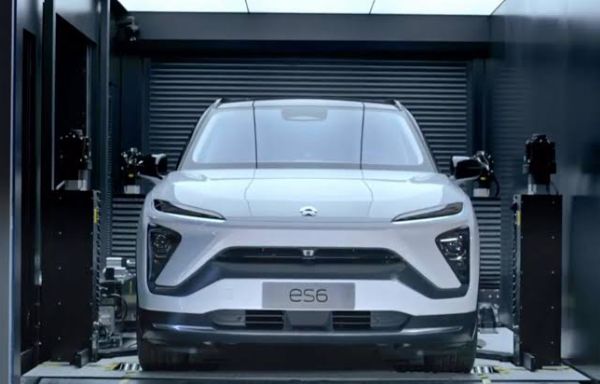
Electric car makers have deviced several means to reduce the anxiety range that is currently. While Tesla has relied on its effective Supercharging Stations, China’s NIO thinks battery swapping is the best and in a recent Twitter post, the electric car maker says its customers have completed over four million battery swaps across the country.
“On September 29, 2021, our NIO users have completed over 4,000,000 battery swaps. As of today, we have 504 #NIOPower Swap stations up and running, a quarter ahead of schedule which expected 500 stations installed by the end of 2020.”
This milestone comes just six months after NIO revealed its owners had completed more than two million battery swaps.
The automaker currently has 504 automated battery Swap Stations, where dead battery packs can be replaced with a fully charged battery in about five minutes.
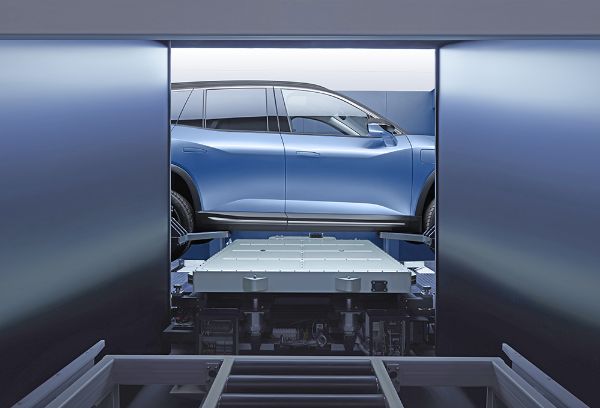
How NIO’s Swap Station works
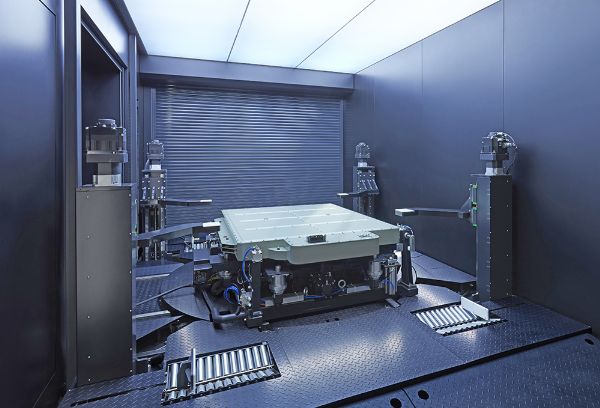
China’s NIO started the swappable battery service back in 2018 with the launch of its ES8 electric SUV as it doesn’t want its customers to wait for hours to charge the depleted batteries of its all-electric cars.
Customers can locate NIO Swap Station through their smartphone. Once the driver arrives, a NIO employee drives the EV into battery-swap Station to change the dead battery to new battery pack as shown in the video below.
Video
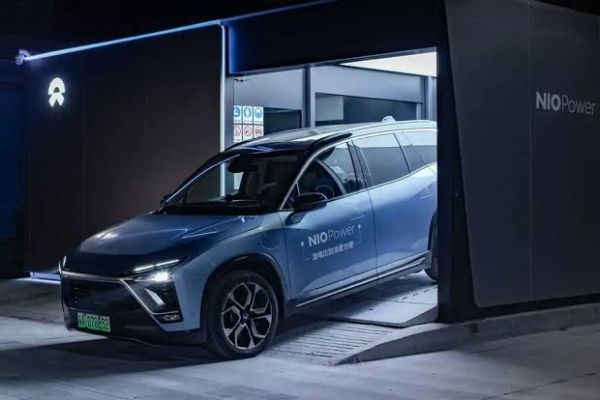
The whole process is automatic, and it takes about three minutes, or about the same time it takes a petrol or diesel powered cars to fill its tank at a filling station.
These service is currently free for owners of new NIO models but those with old models are charged based on how many kilowatt-hours of energy they need from their new battery pack.
This means that customers with battery-pack having a 20 per cent charge (20 kWh) will pay the going rate for the extra 80 kWh needed for a fully-charged 100 kWh battery, which cost $10.











-

 Celebrities Auto1 week ago
Afrobeats Star Kizz Daniel Splashes ₦1.6 Billion On Brand New 2026 Ferrari Purosangue SUV
-

 News1 week ago
Top Auto News Last Week: Uber Exits Nigeria, Launches UK Robotaxi, Tesla Debuts Steering-Wheel-Free Cybercab, Kaduna Gov Unveils 2026 Peugeot 3008 And 5008
-

 Celebrities Auto1 week ago
Burna Boy’s ₦9 Billion Bugatti Chiron VXX: The Making By Venuum
-

 Car Theft2 days ago
Fear Of Theft: Indian Man Hires Crane To Park New Mahindra SUV On Rooftop Before Traveling To Israel
-
 News5 days ago
Mercedes-AMG CLE 646 Spezialanfertigung: Sold-Out 646-HP Collector’s Item Limited To Just 30 Units
-

 Auto Sport1 week ago
New Mercedes-Benz S-Class “140 Years. 140 Places” Global Tour Reaches Africa As Nigeria Misses Out
-

 Business6 days ago
Mate Rimac Becomes Bugatti President Following Porsche’s Exit
-

 Celebrities Auto5 days ago
Is This Asake’s New Ride? Inside the 1,001-HP Lamborghini Revuelto Venuum Voltoro V1 Spotted With Giran Republic Branding