
News
The US To Impose Tariffs On Chinese EVs As From Next Week

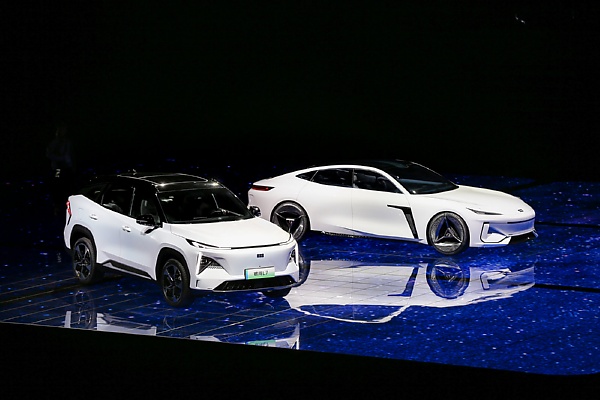
New whispers of imminent tariffs targeting Chinese electric vehicles reverberate through the automotive industry. President Biden’s administration is seemingly prepared to impose new levies on China’s fast-growing EV sector and other key industries, including batteries and solar equipment. This would mark a strategic shift from the across-the-board tariffs favoured under the Trump administration.
While the full details of the upcoming tariffs remain under wraps, sources close to the matter indicate they could be announced as early as next week. Amidst geopolitical tensions, national security concerns have pushed Biden to look critically at Chinese car imports, sparking uncertainty for Chinese automakers keen on entering the lucrative American market.
The Commerce Department is reviewing public comments on an investigation launched in February probing potential national security risks associated with imported Chinese vehicles. Commerce Secretary Gina Raimondo has not shied away from hinting at “extreme action,” which could translate into an outright ban on Chinese-connected vehicles or heavily restrictive measures if those vehicles are deemed a threat.
The US government’s scrutiny of Chinese EVs has generated a ripple effect of responses. Chinese industry experts criticize the move as politically motivated, warning that such measures would undermine fair market competition. China’s Foreign Ministry maintains that these actions could weaken the delicate balance of supply chains, ultimately harming the US economy.
Yet, not all Chinese auto giants are deterred. Nio founder and CEO William Li – fresh off a recent US visit – openly expressed his hope that Chinese-branded cars might soon find a place on US roads. Li stressed the need for greater collaboration, particularly in artificial intelligence, in a world that’s becoming increasingly fragmented.
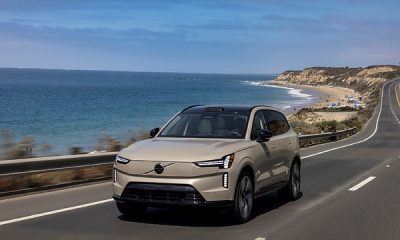
Despite the optimism expressed by some manufacturers, it remains unclear whether the Biden administration’s tariffs will become a major hurdle for Chinese EVs. While some Chinese-built vehicles, such as the Geely-owned Volvo EX30, have found creative ways to reach the American market, many Chinese automakers may face higher costs and greater challenges in breaking into the US.








-

 Celebrities Auto1 week ago
Most Expensive In Africa : Burna Boy Takes Delivery Of His ₦9B Bugatti Chiron VXX
-
 Celebrities Auto7 days ago
From ₦9B Bugatti Chiron To Porsche 911 GT3 RS, 12 Impressive Cars In Burna Boy’s Multi-Billion-Naira Car Collection
-
 Celebrities Auto1 week ago
Diamond-Encrusted Key For Burna Boy’s ₦9B Bugatti Chiron VXX Can Buy A Brand-New Car
-
 Celebrities Auto1 week ago
Today’s Photos: Burna Boy’s Bugatti Chiron VXX Journey From Dubai To Abuja And Lagos
-
 Celebrities Auto2 days ago
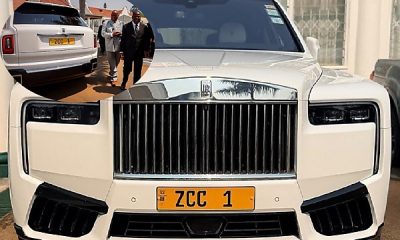
Billionaire Gifts Popular Bishop 2026 Rolls-Royce Cullinan And Over ₦370 Million Cash For Fuel
-
 News1 week ago
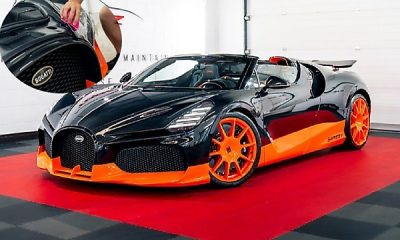
Bugatti W16 Mistral: $16.3M World’s Fastest Open-Top Car Gets Paint Protection Film
-
 Celebrities Auto1 week ago
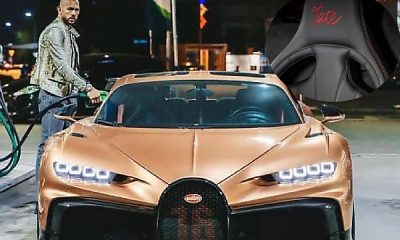
Inside Andrew Tate’s Bugatti Chiron With Custom “Tate” Headrests, Which He Claimed Was Rented
-
 News4 days ago
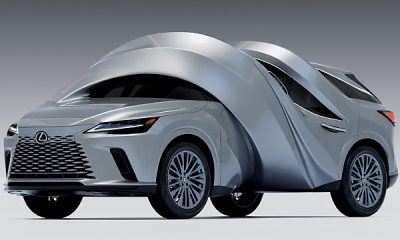
MOTOMORPHOSIS: MSCHF Transforms Lexus RZ 450e and RX 450h+ Into Bizarre Car Sculptures


