
News
Full Lists Of Categories Of Vehicles Exempted From Customs Import Duty & VAT, Those Still Taxed

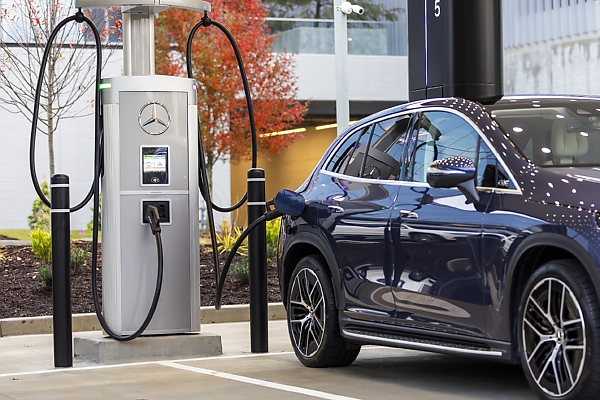
As part of measures to promote cleaner energy alternatives and the adoption of sustainable transportation solutions, the Nigeria Customs Service (NCS) has begun the implementation of additional guidelines issued by the Federal Ministry of Finance for fiscal incentives under the Presidential Gas for Growth Initiative.
In a statement issued on Friday, July 31, by Abdullahi Maiwada, the National Public Relations Officer for the Comptroller-General of Customs, the agency published a comprehensive breakdown of goods exempted from import duty and Value Added Tax (VAT), alongside those that remain taxable.
“Pursuant to the approved fiscal incentives, the importation of specified environmentally friendly and gas-powered vehicles, equipment, and components shall enjoy exemption from the payment of Import Duty and Value Added Tax (VAT).”
“The approved categories include Compressed Natural Gas (CNG) fuel vehicles (100% CNG), Liquefied Petroleum Gas (LPG) fuel vehicles (100% LPG), Pure Electric Vehicles (100% Electric), Extended Range Electric Vehicles (EREVs) with a minimum pure electric range of 200 kilometres, CNG and LPG conversion kits for petrol and diesel vehicles, tricycles and motorbikes certified for resale by the Federal Ministry of Finance, as well as semi-trailers configured with skid-mounted CNG, LPG, and Liquefied Natural Gas (LNG) storage tanks for gas distribution.”
According to Customs, importers seeking to benefit from these incentives are required to obtain an Import Duty Exemption Certificate (IDEC) issued by the Federal Ministry of Finance and comply with all applicable regulatory requirements governing the importation of eligible items.
Additionally, the Nigeria Customs Service listed specific categories of vehicles—including hybrid electric vehicles and luxury cars valued at $100,000 or more and semi-trailers—that remain subject to import duty and VAT.
“These include Hybrid Electric Vehicles (such as Electric/Petrol and Electric/Diesel variants), dual-fuel Internal Combustion Engine (ICE) vehicles configured for CNG/Petrol or CNG/Diesel operations, luxury vehicles valued at USD 100,000 and above, CNG vehicles converted overseas without factory-fitted CNG capability, semi-trailers and flatbeds that are not self-driven or operated under their own mechanical drive, and spare parts of all kinds.”
The Customs noted that the implementation of these fiscal incentives is intended to support the Federal Government’s broader objectives of reducing transportation and energy costs, as well as to expand the adoption of alternative fuel technologies.
While reaffirming its commitment to the effective implementation of these incentives, Customs urged all stakeholders—including importers, licensed customs agents, and other trade ecosystem operators—to ensure strict compliance with the applicable guidelines and regulatory requirements.
-
See Also : FRSC Champions Tinubu’s Clean Mobility Agenda, Unveils Safety Framework For EVs And CNG Vehicles

-

 Celebrities Auto7 days ago
Throwback: When KC Luxury Boasted Of Being The Only Person In The World To Own Two Rare Mercedes-Maybachs
-

 Celebrities Auto1 week ago
Inside KC Luxury’s Car Collection: From A ₦2.5B Brabus 800 Adventure XLP To Alicia Keys’ Former Maybach
-

 News4 days ago
Andrew Tate’s Lawyers Claim His Famous Bugatti And Aston Martin Are Rented
-
 News1 week ago
Who Is Herbert Wertheim? The 87-Year-Old Billionaire Who Bought The $40M Ferrari Luce “Chassis 0”
-
 News7 days ago
The Tesla Cybercab Has Begun Transporting Passengers In Austin Texas
-
 News1 day ago
1997 Cadillac DeVille d’Elegance: Why Dolly Parton Donated Her Favorite Car After 10 Years
-
 Autoshows & Awards1 week ago
9 Coolest Cars Unveiled At The Quail: From Bugatti Destrier to Lamborghini Revuelto SV
-

 Celebrities Auto2 days ago
Burna Boy Lifts ₦1.6B Ferrari Testarossa Into His 26th Floor Penthouse