
News
European Car Brands Risk Losing Battle For Solid-State Battery

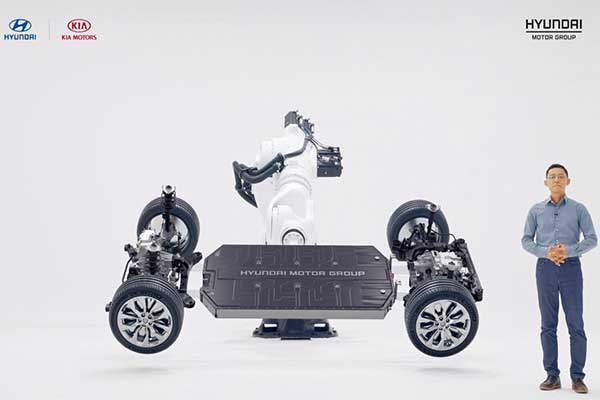
European and American car manufacturers need to hurry with solid-state batteries. Otherwise, Asian competitors threaten to gain an advantage in this promising battery technology as well. So says Siyu Huang, CEO of the American start-up Factorial. She seems to be right.
It is a holy grail among car manufacturers: the solid-state battery. Honda, Nissan, Toyota, and Mercedes-Benz, but also a whole host of Chinese manufacturers; they are all, whether or not in collaboration with partners from the battery industry, hard at work on the solid-state battery. But according to Huang, the battle is still wide open. “Solid-state technology is currently at a tipping point. That offers European and American car manufacturers the chance to take a leap forward instead of playing catch-up,” she tells Automotive News. This is no empty promise, as the Chinese MG currently seems to be the closest with the ‘SolidCore’ battery.
Factorial is one of the partners of the car manufacturers working on this technology. The American company hopes to accelerate development with the South Korean battery giant SK On. The two companies are investigating whether existing factories for standard lithium-ion batteries can be adapted for the production of Factorial’s FEST solid-state batteries. According to Factorial, this could reduce the required capital investments by as much as 80 percent. SK On has over 200 GWh of annual production capacity worldwide and supplies batteries to Hyundai, Ford, Volkswagen, and Ferrari, among others. In short, a serious player. According to Huang, a divide will emerge in the battery landscape by 2030. For affordable cars, LFP batteries will remain the norm; the higher segment will gradually move from NMC batteries to solid-state.
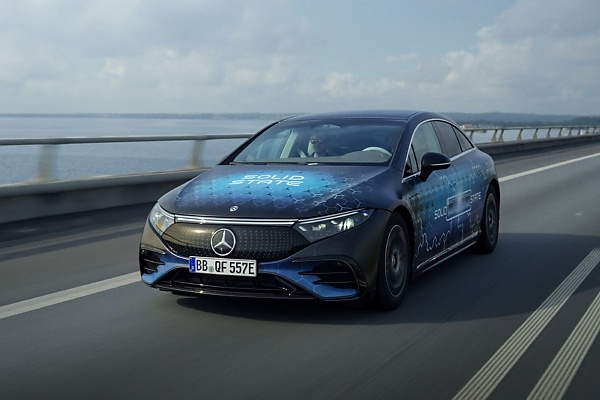
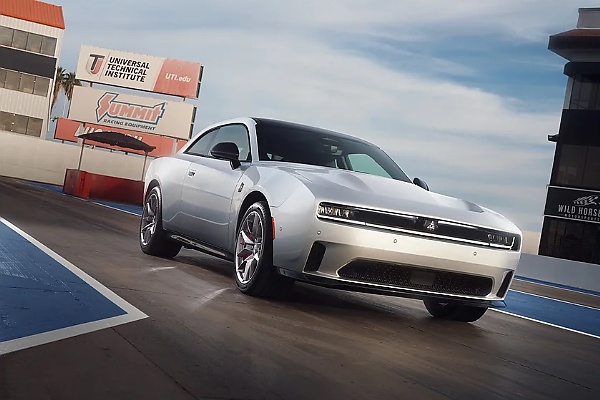
For the time being, however, this is merely a non-binding letter of intent. There is no mention yet of concrete production figures or a start date. Factorial does, however, already have strong ties with the automotive industry. Mercedes-Benz, Stellantis, Hyundai, and Kia are among the American companies’ partners and investors. A modified Mercedes-Benz EQS drove over 1,200 kilometers on a single charge using Factorial’s battery technology. Stellantis is currently testing the FEST cells in a Dodge Charger Daytona. These cells have an energy density of 375 Wh/kg and, according to the companies, can be charged from 15 to 90 percent in eighteen minutes. Now, Factorial and SK On must prove that such performance is also achievable on a large scale and at acceptable costs.








-
 Celebrities Auto1 week ago
Swedish Soccer Icon Zlatan Ibrahimovic Buys $4 Million Ferrari F80 For 45th Birthday (Photos)
-
 News1 week ago
Who Owns Who? World’s Largest Automakers And The Car Brands They Currently Control
-
 News4 days ago
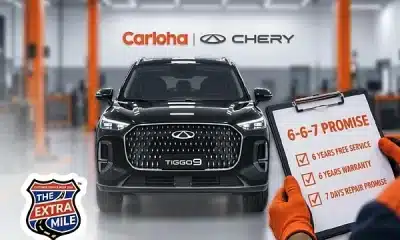
Carloha Goes “The Extra Mile” To Redefine Vehicle Ownership Experience In Nigeria
-
 Celebrities Auto4 days ago
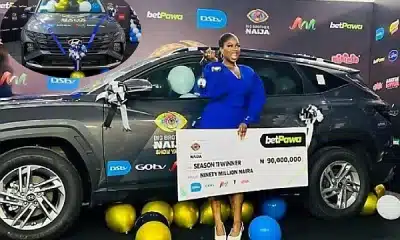
No Innoson This Year As BBNaija Season 11 Winner Temi Receives ₦60m Hyundai Tucson, ₦90m Cash Prize
-

 News1 week ago
Porsche Will Fit A Petrol Engine In The Macan Again In 2028
-
 News1 week ago
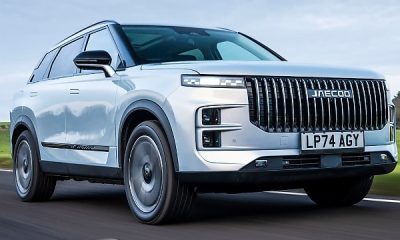
‘Temu Range Rover’ Jaecoo 7 Tops UK Car Sales In September As Chinese Brands Continue Their Global Rise
-

 Celebrities Auto1 week ago
Cars Owned By Coscharis CEO Cosmas Maduka, From Rolls-Royce And Grenadier To Range Rover
-
 Latest Cars2 days ago
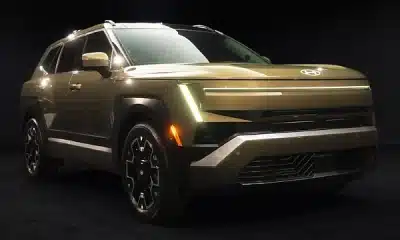
All-New 2027 Hyundai Tucson Unveiled With Bolder Design, Hybrid Power And New Tech


