
News
Porsche Will Fit A Petrol Engine In The Macan Again In 2028

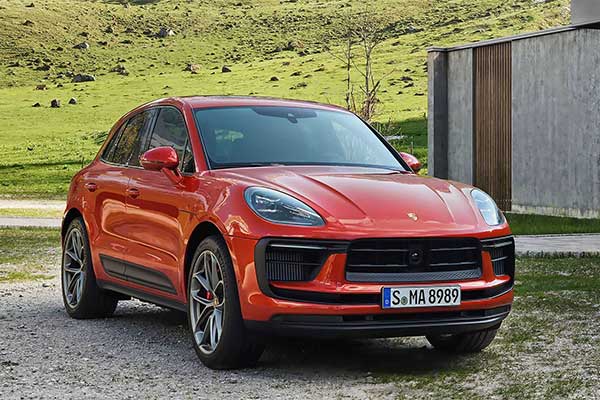
Porsche CEO Michael Leiters is pivoting to a balanced powertrain strategy, continuing internal combustion engine development alongside electric vehicles to meet diverse consumer demand and ensure a sustainable recovery.
In a recent interview, CEO Michael Leiters clarified his strategic direction, confirming plans for a combustion-engine Macan by 2028 while maintaining the brand’s commitment to its electric vehicle objectives. Notably, the 911 remains excluded from this electrification strategy.
Addressing concerns regarding his stance on the industry transition, Leiters rejected the label of an “EV skeptic,” characterizing his approach as a “recovery, not retreat.” His vision entails a balanced product portfolio where internal combustion and electric models coexist, rather than one technology supplanting the other.
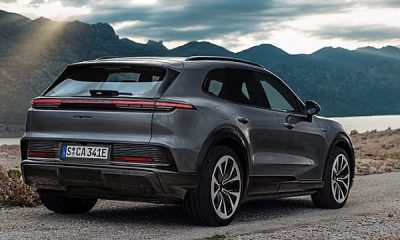
This strategy is best exemplified by the Macan; Porsche intends to reintroduce a petrol-powered iteration of the crossover in 2028. Leiters aims to position this model to complement, rather than compete directly with, the existing electric version, thereby catering to diverse consumer preferences.
A central concern driving this strategic shift is the avoidance of redundant expenditure. “We have to be careful to ensure that the company is not making a double investment in internal combustion and electric vehicles within the same segment,” Leiters remarked, acknowledging that the organization had previously over-committed to electrification ahead of broader market readiness.
Furthermore, Leiters maintains that gasoline-powered vehicles retain significant appeal at the premium end of the market. “We must recalibrate our petrol strategy, but I am confident that by reintroducing a combustion-engine Macan, we will provide a balanced portfolio that caters to consumers who have yet to transition to electric mobility,” he stated.
Facing a 40% drop in electric Macan sales and a 1.1% operating margin in 2022, Porsche is curbing costs to stabilize its transition. CEO Michael Leiters is cutting 9,000 jobs by 2035, closing EV-related subsidiaries, and selling stakes in Rimac to raise €1 billion. These moves are described as fiscal discipline rather than an exit from electrification, as Porsche shifts to a balanced strategy that favors market demand over aggressive, capital-heavy EV expansion.
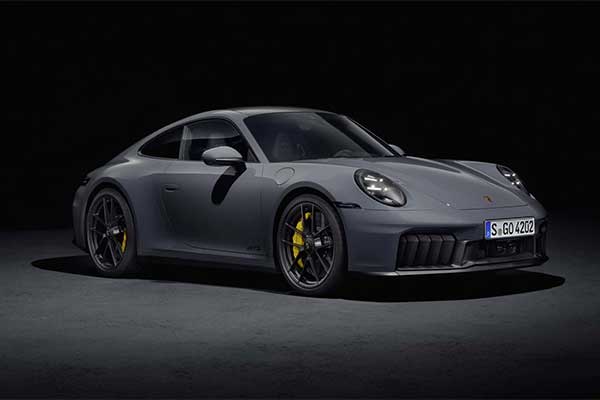
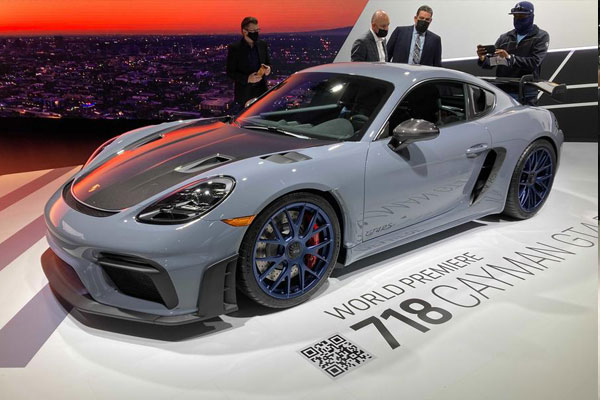
Porsche is balancing its portfolio by developing an electric 718 while reintroducing gas engines for the Macan to meet shifting demand. The 911 remains combustion-only, eschewing full electrification to preserve its compact design. By leveraging Volkswagen Group technology, Porsche aims to manage engineering costs while tailoring powertrains to specific consumer needs.









-
 News7 days ago
JLR Returns To Operating Profit As Range Rover Electric, Sport Electric And Jaguar Type 01 Lead Its New EV Push
-
 News1 week ago
Mini Production At Oxford, UK, Has Stopped Due To Part Shortages
-
 News6 days ago
Skoda To Stop Production Of The Octavia Diesel Engine By Next Year
-
 News1 week ago
Musk Said The Tesla Cybertruck’s Demise Isn’t Due To Its Lack Of Profitability
-

 News1 week ago
Honda Again Recalls More Than 635,000 Vehicles In The U.S
-
 News1 week ago
In A Real-World Test, The BMW iX3 Surpasses Mercedes And Volvo, Covering 436 Miles
-

 News1 week ago
10 Things To Know About Yangwang U9 Xtreme’s Record-breaking 503.17-km/h Run
-
 News5 days ago
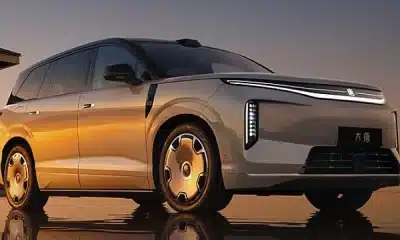
BYD Apologises After New Great Tang SUVs Were Delivered With Wider Rear Wheels Fitted At The Front

