
News
Ford Is Developing Engines With A 225,000-Mile Lifespan Using AI

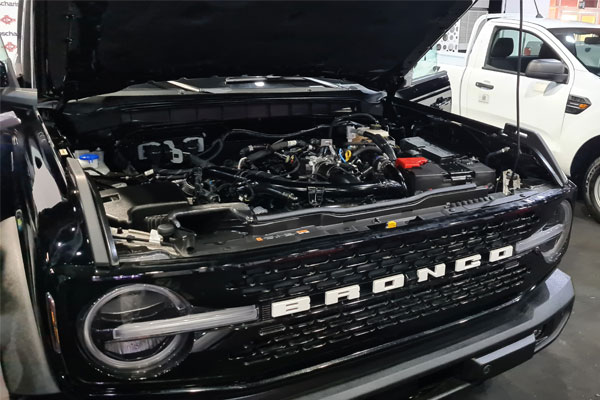
To stay competitive, automakers are adopting new tech, but Ford is prioritizing long-term powertrain reliability. VP Charles Poon aims for every vehicle to last at least 15 years or 225,000 miles by combining rigorous mechanical testing with AI-driven engine analysis.
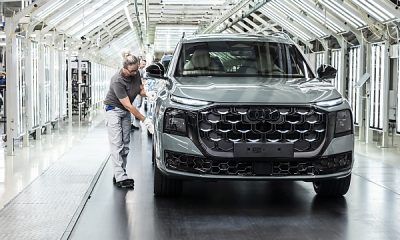
To ensure long-term reliability, Ford subjects assembly-line powertrains to intense stress testing, including relentless start-stop and wide-open throttle cycles. By integrating AI-driven analysis directly onto the factory floor, Ford identifies microscopic flaws to guarantee superior vehicle performance and longevity.
Ford’s Essex plant uses daily engine tear-downs and oil analysis to catch microscopic wear. AI enhances this by scanning vast testing data, identifying performance deviations that humans might miss, and flagging anomalies for immediate manufacturing adjustments.
By identifying these microscopic deviations, the transmission and engine teams can implement immediate corrections to manufacturing processes. Consequently, shipments are quarantined, and components undergo redesign before entering the market. Through the interception of these underlying issues, Ford effectively mitigates the risk of long-term warranty claims.
It is encouraging to see a major automaker prioritize long-term reliability as a core mission rather than a passing trend. Charles Poon’s philosophy—that quality entails maintaining high standards consistently—underscores a vital balance in contemporary automotive manufacturing. Experience has demonstrated that an over-reliance on automation can be counterproductive, making the retention of veteran engineers essential for the accurate interpretation of complex data.
Ultimately, this hybrid approach, which integrates traditional mechanical stress testing with sophisticated software analysis, confirms that human expertise remains the primary driver of the industry. When advanced systems are utilized to augment the capabilities of seasoned experts rather than replace them, the resulting vehicles are significantly superior. Ford’s commitment to building highly reliable trucks and SUVs demonstrates that while technology is adept at identifying microscopic flaws, it remains the dedication of passionate professionals that ensures quality for the end user.











-

 Business1 week ago
Dangote Cement Rewards Top Distributor With New 2026 Lexus LX700h Worth Over ₦400 Million
-

 News4 days ago
Ultra-Rare, Centre-Driving McLaren F1 GTR Fetches Record $34.6 Million At Auction
-

 News5 days ago
Mansa Fulfills Challenge: TikTok Star Peller Gifted ₦300 Million Mercedes-Benz G-Wagon
-

 Celebrities Auto1 day ago
Inside KC Luxury’s Car Collection: From A ₦2.5B Brabus 800 Adventure XLP To Alicia Keys’ Former Maybach
-
 Latest Cars1 week ago
Lexus Updates The ES For 2027, And It Will Be Made In Japan
-

 News4 days ago
Porsche And Chinese Company Xpeng Collaborate To Lower Average Emissions In Europe
-
 Auto Sport1 week ago
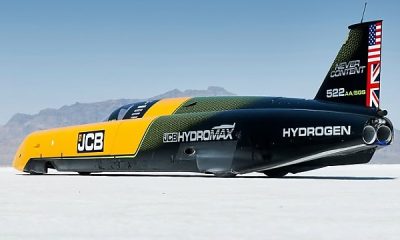
Tractor Maker’s JCB Hydromax Sets New 406-mph World Land Speed Record For A Hydrogen-powered Vehicle
-

 News1 week ago
Moment Fiat Panda Drives Onto Runway And Crashes Into Private Jet Taxiing At Milan Airport