
News
Porsche And Chinese Company Xpeng Collaborate To Lower Average Emissions In Europe

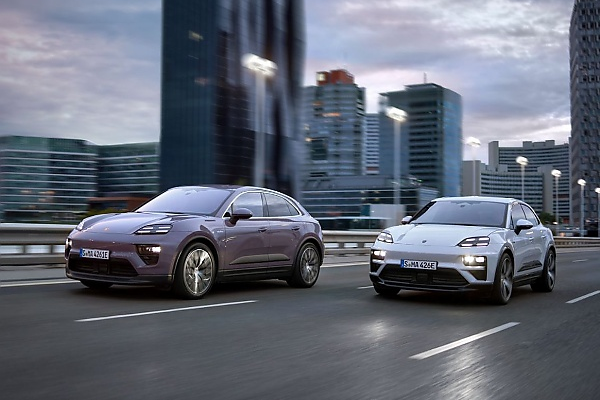
Porsche is teaming up with Chinese electric car maker Xpeng in Europe to reduce average CO₂ emissions and comply with European Union requirements, as the German marque turns again to models with petrol engines.
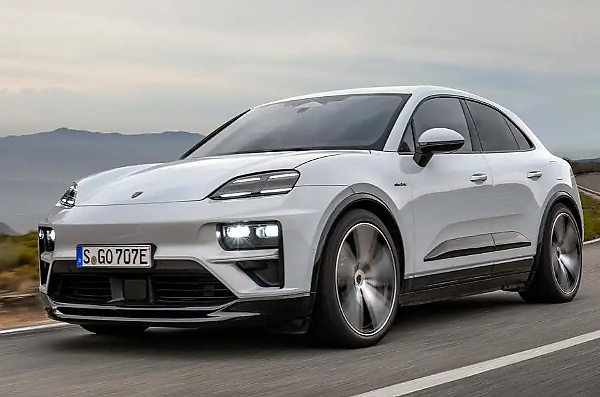
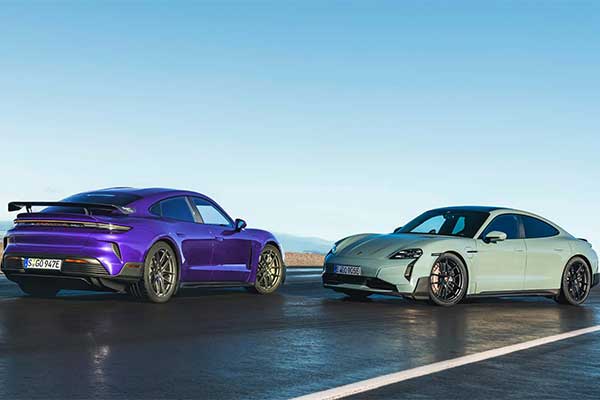
The collaboration with Xpeng comes as Porsche exits the Volkswagen Group’s joint emissions accounting system, according to EU information released by independent automotive analyst Matthias Schmidt. Porsche has seen a decline in sales of electric cars in Europe in recent months, caused by lower demand for the Taycan and Macan Electric models. This further worsened the emission result of the entire parent group, which failed to achieve the average goal of 92 g/km for the period 2025-2027. According to the International Council for Clean Transportation (ICCT), the average was 100 g/km.
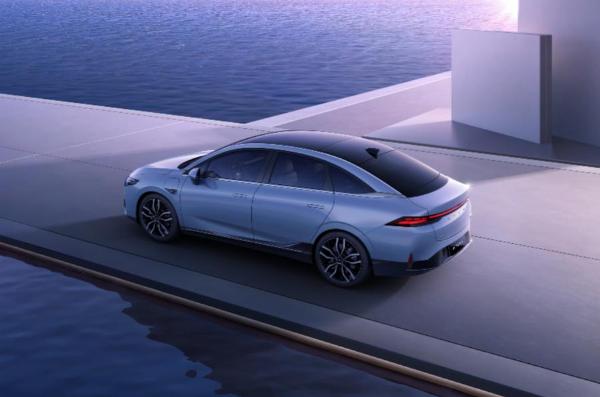
The cooperation with Xpeng stems from the partnership that the Volkswagen Group has with the Chinese company. Volkswagen owns a 5 percent stake in Xpeng and uses its software and platforms for new models aimed at the Chinese market. Xpeng is gradually increasing sales in Europe. According to Matthias Schmidt, in the first six months he registered almost 20,000 cars, which means that in that period he sold more electric cars in Europe than Porsche. All of Xpeng’s sales in Europe are electric cars, unlike in China, where the company recently introduced plug-in hybrid models.
Porsche has shelved most planned future electric models to refocus on cars with petrol engines. The reason is a decline in sales in China and a change in the policy of American legislators, who softened the goals of reducing emissions and thus reopened the space for models with classic engines. The company also abandoned the plan for the large new SUV, under the designation K1, to be an exclusively electric model, and from 2028 it will also present the new Macan with a petrol engine.
Teaming up with Xpeng gives Porsche more time to develop an alternative strategy or hope that the European Union relaxes its electric vehicle targets before the 2035 deadline for phasing out cars with petrol engines.
The fact that Porsche is paying the Chinese automaker to fulfil a strategy aimed at encouraging the electrification of European manufacturers is unlikely to go down well with some European Union officials. They are already facing criticism that the policy of encouraging electric vehicles has favored the faster development of Chinese manufacturers to the detriment of the European car industry. The Volkswagen concern is currently in the greatest danger of a fine from the European Union because it is as much as 8 percent above its target.








-

 Car Theft1 week ago
Man Flees With Stolen Tundra During Test-Drive, Crashes Into Lagos Canal After Damaging Dozens Of Vehicles
-
 News1 week ago
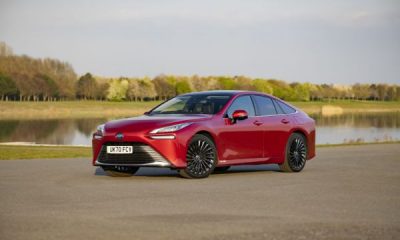
The Toyota Mirai Is Turning Out To Be The Worst Resale Value Car The Company Has Ever Made
-

 Celebrities Auto7 days ago
Lionel Messi Just Ordered Sunreef’s ULTIMA 88 Luxury Yacht, Worth Up To $10.7 Million
-
 News1 week ago
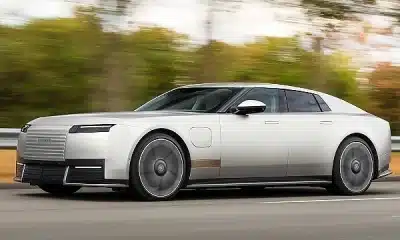
The New Electric Jaguar Type 01 Has Reportedly Received 50,000 Orders
-
 News1 week ago
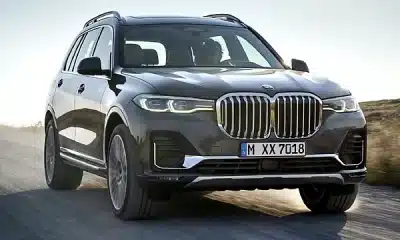
BMW Considers New Flagship SUV To Sit Above The X7, Specifically For US Market
-

 News4 days ago
OMODA & JAECOO Strengthen European Presence, Record 73,421 Global Sales
-
 News7 days ago
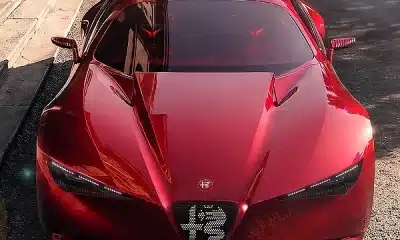
Alfa Romeo Cuorerosso Concept Debuts With 2+2 Coupé Design, 2.9L V6 Full-Hybrid Powertrain
-
 News1 week ago
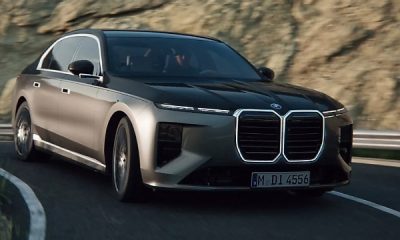
BMW Is Bringing The V8 Back In Another Model