
News
“We Have No Chance”, Honda CEO Alarmed by China’s Automated EV Factories

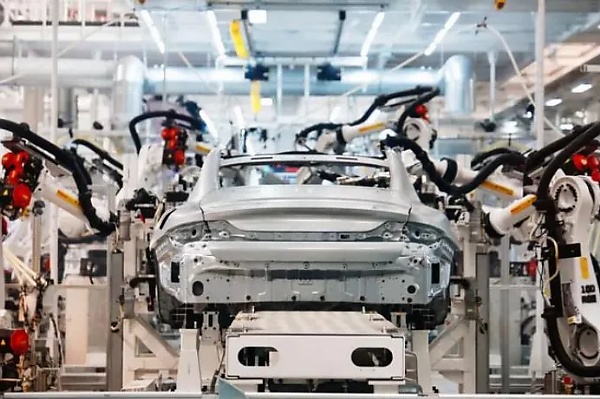
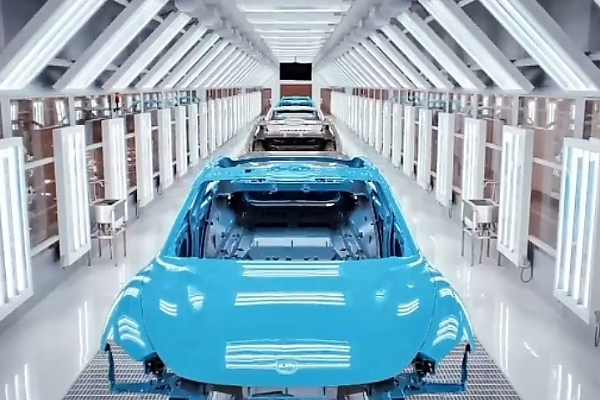
Honda CEO Toshihiro Mibe’s visit to a highly automated electric vehicle supplier factory in Shanghai in February shattered the illusion that Chinese car brands are simply minor domestic players copying Western and Japanese engineering.
What Mibe witnessed reportedly showed him that China’s advantage extends far beyond electric vehicle technology. The speed of manufacturing, tightly connected supply chains, and extensive use of automation revealed a production system that puts traditional automakers, such as Honda and Toyota, under serious pressure.
“We have no chance against this,” Mibe reportedly said, according to a Nikkei Asia article published on March 31. He also stressed that Japanese parts suppliers “must act quickly” if they are to narrow the growing gap with their Chinese counterparts.
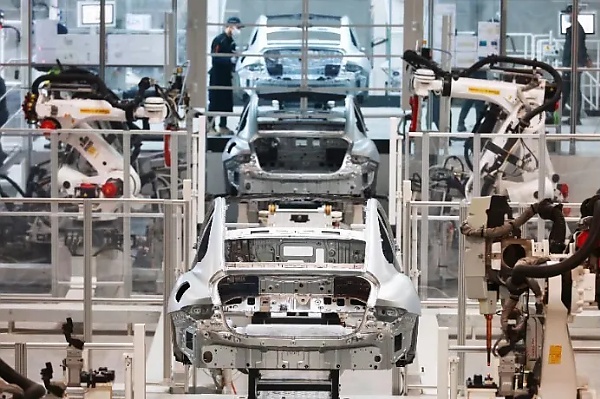
The factory visit reportedly left a particularly strong impression because the AI-driven automation covered virtually every stage of the operation. From sourcing components to moving parts around the facility, the processes were handled automatically—with no workers visible on the production floor.
Today, Chinese automakers are known for developing vehicles at remarkable speed while keeping prices competitive. Companies such as Xiaomi have demonstrated how quickly new models can move from development to production, with some projects taking less than two years—far shorter than an established automaker’s four years.
China’s advantage is not limited to producing cheaper electric vehicles, as its automakers have built increasingly integrated ecosystems involving suppliers, batteries, software, electronics, and manufacturing. This allows them to take a concept to a finished vehicle at a pace that many traditional automakers can only dream of.
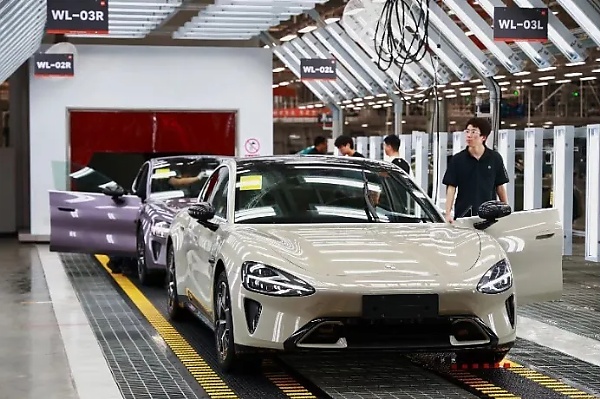
Mibe’s reported reaction reflects a wider concern spreading across the global automotive industry. Ford CEO Jim Farley has similarly described the challenge facing Western automakers as a “fight for our lives.”
“They have enough [production] capacity in China with existing factories to serve the entire North American market, putting us all out of business. Japan never had that, so this is a completely different level of risk for our industry,” Farley said last year in an interview with CBS Sunday Morning.
During the interview, the Ford CEO compared China’s auto industry today (the largest in the world) to that of Japan in the 1980s—but “on steroids.” He noted that China’s existing factories have the capacity to serve the entire North American market, which could put Ford and its competitors out of business.
For legacy automakers, the battle is consequently no longer just about catching up in EV technology. They must also close the gap in manufacturing speed, supply-chain efficiency, software integration, and the ability to bring competitive new vehicles to market quickly.
-
See Also : Ultimate Move: Quick-Thinking Chinese Motorist Hoists ₦760M Bentley With Crane To Escape Flooding

-

 Celebrities Auto1 week ago
Afrobeats Star Kizz Daniel Splashes ₦1.6 Billion On Brand New 2026 Ferrari Purosangue SUV
-
 News1 week ago
Top Auto News Last Week: Uber Exits Nigeria, Launches UK Robotaxi, Tesla Debuts Steering-Wheel-Free Cybercab, Kaduna Gov Unveils 2026 Peugeot 3008 And 5008
-
 Celebrities Auto1 week ago
Burna Boy’s ₦9 Billion Bugatti Chiron VXX: The Making By Venuum
-
 Car Theft2 days ago
Fear Of Theft: Indian Man Hires Crane To Park New Mahindra SUV On Rooftop Before Traveling To Israel
-
 News5 days ago
Mercedes-AMG CLE 646 Spezialanfertigung: Sold-Out 646-HP Collector’s Item Limited To Just 30 Units
-

 Auto Fun1 week ago
Police Impound Fake Armored ‘Beast’ Limo After Trump Look-alike’s Motorcade Stunt Violates Law
-

 Auto Sport1 week ago
New Mercedes-Benz S-Class “140 Years. 140 Places” Global Tour Reaches Africa As Nigeria Misses Out
-
 Business6 days ago
Mate Rimac Becomes Bugatti President Following Porsche’s Exit