
News
Germans Find Out Which Vehicles Use The Least Amount Of Fuel

The conflict in the Middle East is adversely affecting drivers’ daily lives, as fuel prices are rising. The Serbian government has decided to temporarily reduce excise duties on oil derivatives to mitigate the effects of rising crude oil prices on the global market; however, experts predict a new increase.
This could lead to fuel prices across Europe exceeding two euros per liter, and we are not far from those prices. Due to the current situation, drivers are once again turning to economical, fuel-efficient cars.
Just ten years ago, the rule was – if you want low fuel consumption, choose diesel. However, today this is no longer the case. Gasoline engines have advanced significantly in technology, so low fuel consumption has become their trademark. Today, there are a number of gasoline engines that combine real-world fuel consumption of 4 to 6 liters with simple technology and a long service life. The German automobile club ADAC reveals which models are particularly fuel-efficient, from small city cars to luxury cars, and lists the three most economical gasoline engines in each category.
City cars and compacts
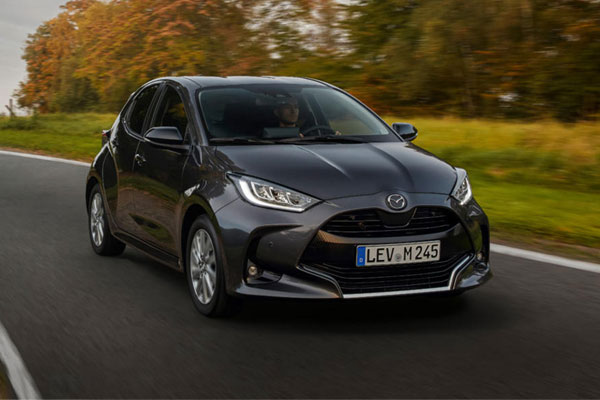
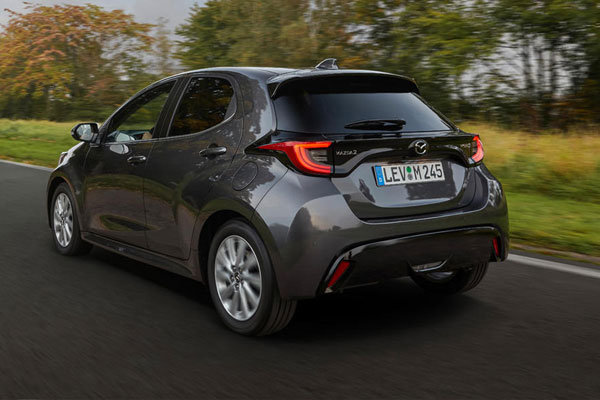
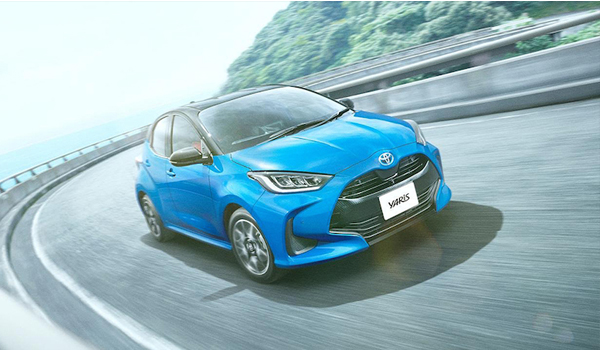
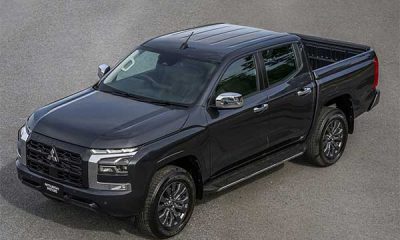
The Toyota Yaris Hybrid and Mazda 2 Hybrid, which are practically identical models, share first place with an average consumption of just 3.8 liters per 100 kilometers. Right behind them are the Renault Clio Hybrid E-Tech 160 and Mitsubishi Colt 1.6 Hybrid, with consumption of 4.1 and 4.2 liters, respectively, according to the WLTP standard. Although they are larger in class, the compact models consume only slightly more because they use identical technology. At the top are the small SUV Mitsubishi Grandis 1.8 Hybrid with 4.3 liters, Toyota Corolla Hybrid with 4.4 liters and Kia Niro 1.6 GDI Hybrid with 4.5 liters per 100 kilometers.
Middle and upper class
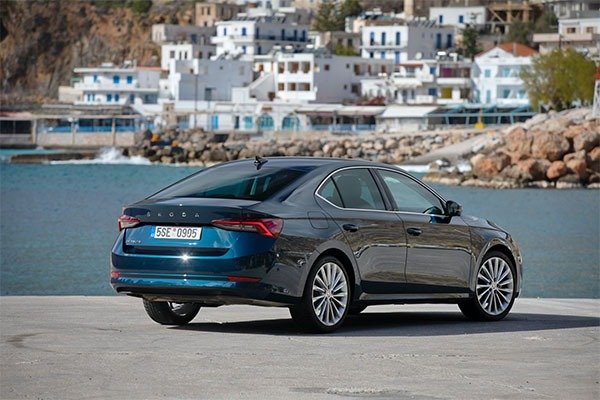
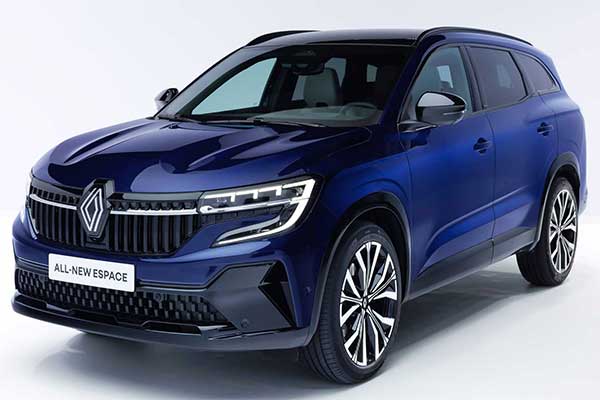
Looking for a family car that is also economical? These are the Dacia Bigster Hybrid 155 (4.7 liters), the Škoda Octavia 1.5 TSI mHEV (4.8 liters), and the Renault Espace E-Tech Full Hybrid (4.9 liters). In this class, too, hybrid technology plays a key role in saving fuel. Even in the higher classes, there are surprisingly economical cars. At the top of the list are the Lexus ES 300h and the Škoda Superb 1.5, both with a consumption of just 5.1 liters per 100 kilometers. Right behind them is the VW Passat Variant 1.5 eTSI, which, with a consumption of 5.3 liters per 100 kilometers also ranks among the most economical models in its category.










-

 Car Theft1 week ago
Fear Of Theft: Indian Man Hires Crane To Park New Mahindra SUV On Rooftop Before Traveling To Israel
-

 Celebrities Auto3 days ago
Most Expensive In Africa : Burna Boy Takes Delivery Of His ₦9B Bugatti Chiron VXX
-
 News1 week ago
BMW iX5 Hydrogen Enters Real-World Testing Ahead Of Production, Targets 750km Range, 5-Minute Refuelling Time
-
 News1 week ago
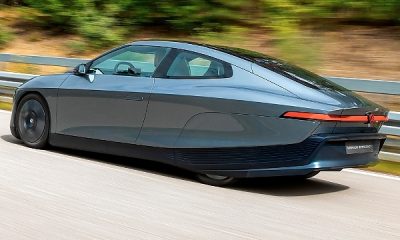
Mission Efficiency: Volkswagen Unveils World’s Most Efficient Near-production Electric Car
-

 Auto Sport6 days ago
Three Rare 1926 Bugatti Type 41 Royales Reunite at Bugatti’s Spiritual Home to Mark 100th Anniversary
-

 News5 days ago
Mercedes And Rheinmetall Unveil G-Class-Based Timber Wolf And Silver Wolf For British Army
-
 News4 days ago
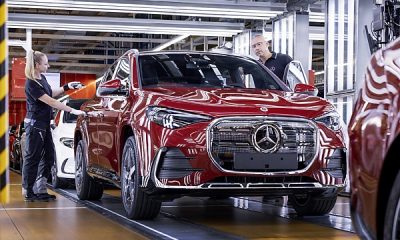
Mercedes-Benz Starts Production Of 657-km Range 2027 GLA Electric SUV
-

 Celebrities Auto4 days ago
Inside Andrew Tate’s Bugatti Chiron With Custom “Tate” Headrests, Which He Claimed Was Rented