
News
Volkswagen Almost Fitted The ID.Buzz With A Petrol Engine

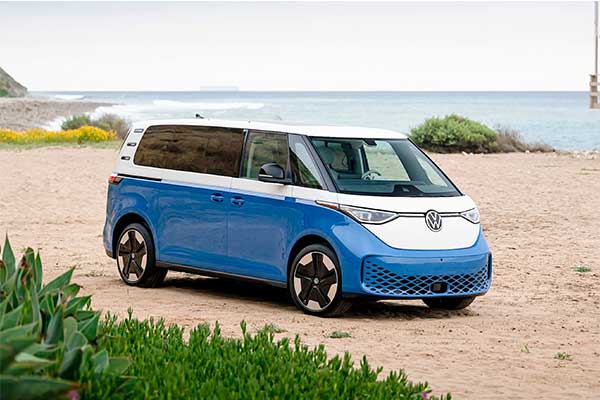
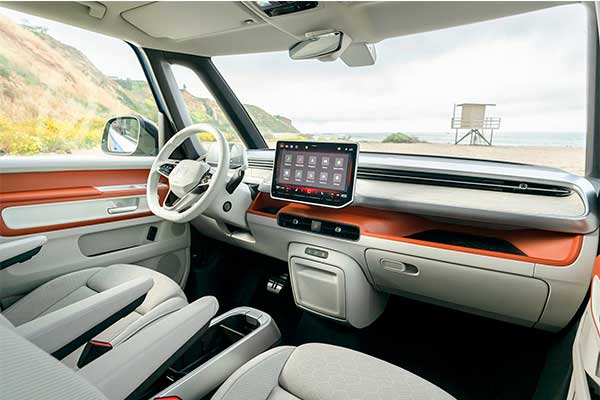
The leaders of the Volkswagen Group seriously considered the idea of installing an internal combustion engine in the ID model. A buzz that would have the role of a range extender, but it will definitely not come to anything.
With 60,700 copies shipped worldwide in 2025, ID. The Buzz was the eighth best-selling electric vehicle from the Volkswagen Group. Demand for the retro-designed electric minivan and its cargo version has doubled year-on-year. However, while the electric passenger transporter is selling well in Europe, it’s struggling in the US, with just 6,140 units sold there, prompting Volkswagen to make the unexpected decision to cancel the 2026 model year and sell off 2025 model inventory before ID. Buzz is back in the offer for 2027.
Volkswagen considered a way to ID. He made the Buzz more attractive by solving the possible fear of insufficient range with a gasoline engine that would serve as a generator. The head of Volkswagen’s commercial vehicles, Stefan Mecha, revealed that a version with a range extender was considered at one point.
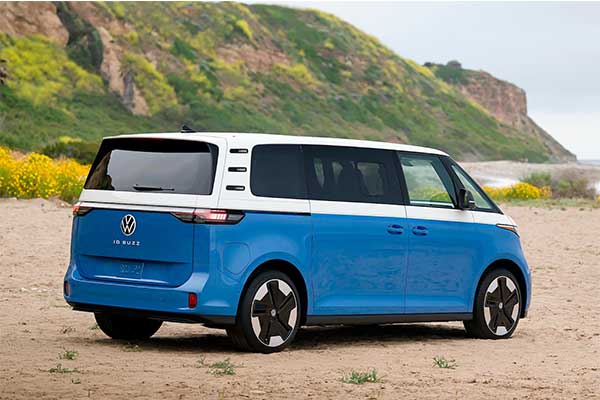
Although the idea of an EREV (Electric Range Extender Vehicle) drivetrain was explored, the engineering team ultimately ran into space limitations to install the components. Short front overhang of the ID model. The Buzz doesn’t leave enough room for an internal combustion engine, as the MEB platform was developed exclusively for battery electric vehicles. More than 20 models use this dedicated architecture, from the ID.3 to the ID.7 Tourer, but not all Volkswagen Group products, as both the Ford Explorer and Capri also use the rear-wheel drive-based modular platform.
Although ID. The range-extending Buzz will not be produced, the Volkswagen Group recently unveiled its first EREV model in China, where the ID. Era 9X large SUV with six seats developed in cooperation with SAIC. It uses a 1.5 liter petrol engine as a generator to charge the battery, reducing the need to stop for charging. Volkswagen’s new Scout brand will also offer range-extender versions of the Traveler and Terra models in the U.S. when the SUV and pickup go into production in 2027.
At the end of last year, Bloomberg wrote that the wider Volkswagen Group was considering using a range extender for Europe and the US. That would make sense, considering that the long-awaited SSP platform is being developed to accept internal combustion engines, which would have a generator function only. The SSP is expected to eventually replace all of the group’s current electric platforms, after potentially debuting first in a production Audi in 2028, followed by models from Porsche and Skoda.







-

 Celebrities Auto1 week ago
From ₦9B Bugatti Chiron To Porsche 911 GT3 RS, 12 Impressive Cars In Burna Boy’s Multi-Billion-Naira Car Collection
-
 Celebrities Auto4 days ago
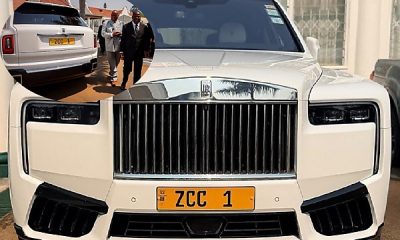
Billionaire Gifts Popular Bishop 2026 Rolls-Royce Cullinan And Over ₦370 Million Cash For Fuel
-
 News1 week ago
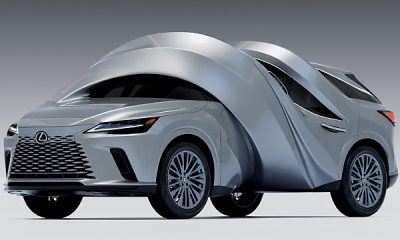
MOTOMORPHOSIS: MSCHF Transforms Lexus RZ 450e and RX 450h+ Into Bizarre Car Sculptures
-
 Latest Cars1 week ago
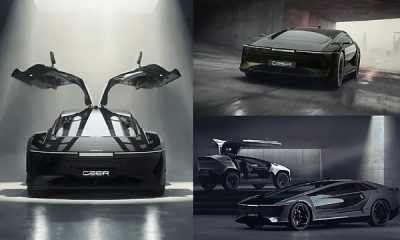
Saudi Crown Prince Launches CEER EXOBOT Sedan & SUV As Brand’s First Flagship EVs
-
 News5 days ago
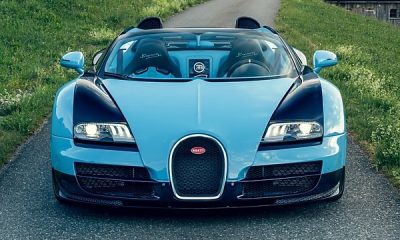
Rare Bugatti Veyron 16.4 Grand Sport Vitesse ‘Jean-Pierre Wimille’ Sells For Record $5.44M
-

 Celebrities Auto1 week ago
Sunday Igboho Spotted Driving Mercedes G-Wagon With Custom Nigerian Police Plate
-
 News1 week ago
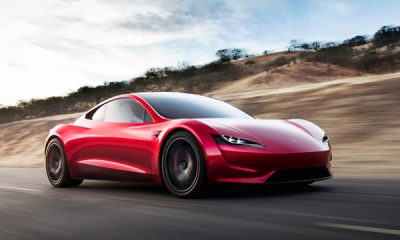
Tesla Has Reopened Reservations Of The Roadster Ahead Of Its October 1st Launch
-
 News1 week ago
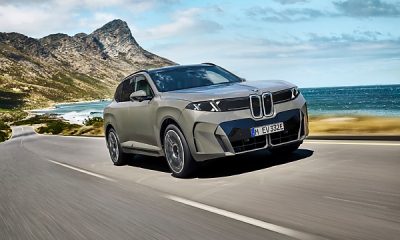
BMW Already Offering Early “Loyalty Discounts” For The iX3 And New X5 Models


