
News
Volkswagen Halts Manufacture Of The Golf And Tiguan Due To A Shortage Of Essential Parts

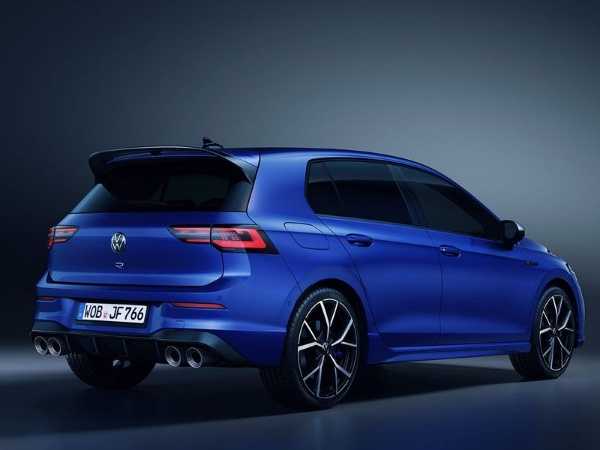
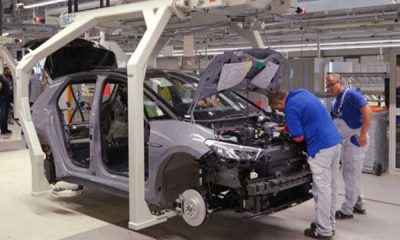
Volkswagen is preparing for a possible production halt of key models due to a semiconductor shortage caused by a dispute over chipmaker Nexperia. Production of the Golf at its main plant in Wolfsburg could reportedly be halted as early as next week, and the Tiguan soon after.
According to information from the supplier sector, Volkswagen still has enough material for this week to continue production, but the situation for next week is uncertain. Representatives of the concern have already contacted the employment service to request the introduction of reduced working hours for some employees. This would initially affect several thousand workers and later perhaps tens of thousands.
Volkswagen confirmed the planned production stoppage to T-online but gave other reasons. According to a spokesperson, production of the Golf and Tiguan models in Wolfsburg will be temporarily suspended on Friday, October 24th, due to inventory. Production is expected to resume early next week. The spokesperson stressed that the stoppage is not related to a shortage of parts.
He added that Nexperia is not a direct supplier to Volkswagen, but some parts are incorporated into components that VW procures through its suppliers. Production is currently running smoothly.
The background to the problem is the trade conflict between China and the Netherlands. At the end of September, the Dutch government took control of Nexperia, which is owned by the Chinese technology group Wingtech. The Hague cited national and European interests and applied a law from the Cold War era, which had never been used before. The decision was allegedly made under pressure from the United States.
China then banned the export of certain Nexperia products in early October, leading to the suspension of some production.
Nexperia is one of the world’s largest producers of so-called “power semiconductors,” which are found in electronic control systems in cars. These chips don’t go directly to car manufacturers but are built into their modules by suppliers. When that chain stops, the entire supply chain stops.








-
 News1 week ago
Currently, China Has 129 Manufacturers Of Electric And Hybrid Vehicles; The Majority Will Fail
-
 News1 week ago
Lamborghini’s Next Model Will Be A Grand Tourer And Will Not Be Electric
-
 News1 week ago
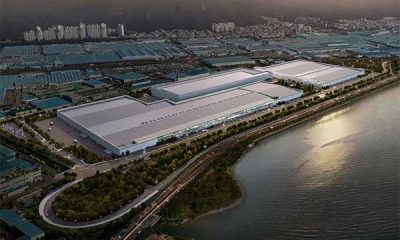
Hyundai Motor Workers Are On A 3-Day Warning Strike
-
 News1 week ago
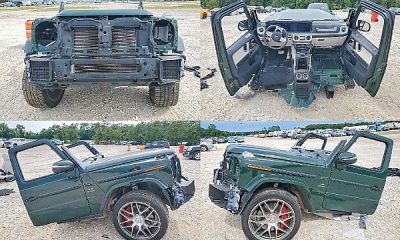
Bidding For This Stripped 2024 Mercedes-AMG G63 With No Rear End Surpasses $18,000 On Copart
-
 News1 week ago
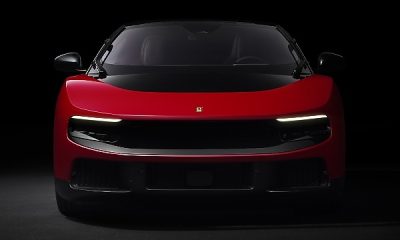
Ferrari Is “Very Happy” With The Luce’s Reactions
-
 News1 week ago
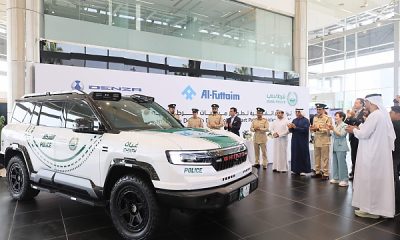
Dubai Police Unveils 2nd-Gen AI-Powered ‘Ghiath’ Smart Patrol Based On Denza B8 Hybrid SUV
-
 Car Facts5 days ago
What Are The Most Reliable Electric Vehicles?
-
 News2 days ago
Nissan Finally Discontinuing The Altima Sedan And Says Why