
News
Do You Own An Automatic Transmission? This Is A Common Parking Error That Can Have Serious Consequences For Drivers

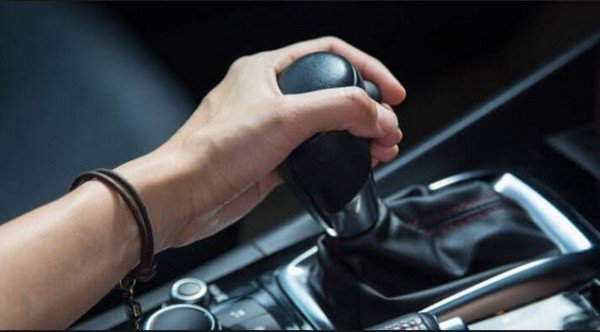
An automatic transmission should make driving easier and more comfortable, but even experienced drivers sometimes make mistakes that can lead to costly breakdowns.
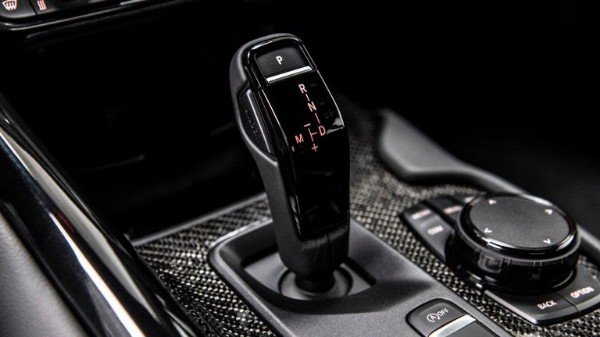
One of the most common mistakes if you have an automatic transmission happens right when we arrive at our destination and park the car.
Most drivers then first shift the transmission to the “P” (parking) position, turn off the engine, and only then apply the handbrake. However, experts warn that the sequence of these steps should be different, especially when parking the car on an uphill or downhill slope, writes Auto Club.
How to properly park a car with an automatic transmission?
When you shift the transmission to the “P” position, a mechanical mechanism is activated that prevents the transmission from turning and the car from moving. It contains a small metal part, known as a parking pawl, which blocks the gear.
The problem can arise when the weight of the entire car rests on that part, instead of the parking brake. This creates unnecessary stress on the transmission mechanism, especially when the vehicle is parked on an incline.
To avoid this, the following sequence is recommended:
Bring the car to a complete stop and hold the foot brake.
Shift the transmission into the “N” (Neutral) position.
While still holding down the foot brake, activate the hand or parking brake.
Slowly release the foot brake so that the weight of the car rests on the parking brake.
Press the foot brake again and shift the transmission to “P” (Park).
Turn off the engine.
In this way, the parking brake takes over the weight of the vehicle, while the parking mechanism of the transmission is relieved. This is especially useful when leaving the car on a steep incline or decline.
Another mistake: Shifting into neutral while driving
Drivers of cars with automatic transmissions sometimes have a habit of shifting the lever to the “N” position while driving, for example when approaching a traffic light or rolling gently down a hill. Although for some it seems like a way to reduce fuel consumption, such a practice is not recommended.
According to the Spanish newspaper “El Pais”, referring to the warnings of mechanics, switching to the neutral position while driving can affect the lubrication and operation of certain parts of the transmission, depending on the construction of the gearbox. Also, at that moment, the driver loses the ability to use engine braking.
Therefore, it is best to leave the transmission in the “D” (Drive) position during normal driving and use the neutral position in the situations for which it is intended.
Automatic transmission repair can be very expensive
Automatic transmissions represent complex mechanical and electronic systems, which is why their repairs can be significantly more expensive than repairs of classic manual transmissions. Certain more serious failures require many working hours and specialized equipment.
That’s why it’s important to follow the manufacturer’s recommendations, regularly maintain the transmission and avoid habits that can unnecessarily stress its components.
A small change in the way you park can help avoid unnecessary stress on the transmission and extend its service life.
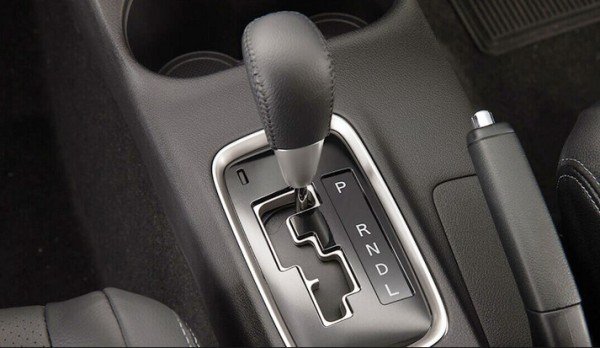
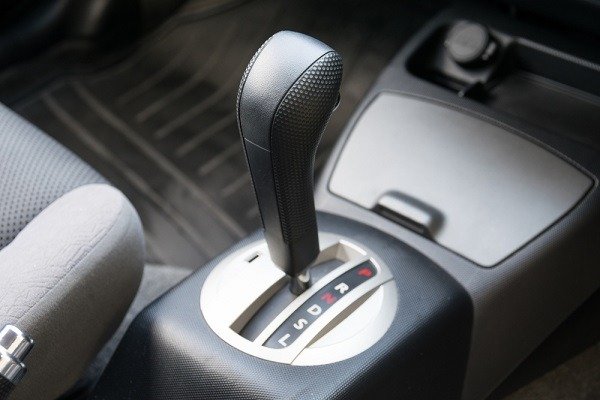
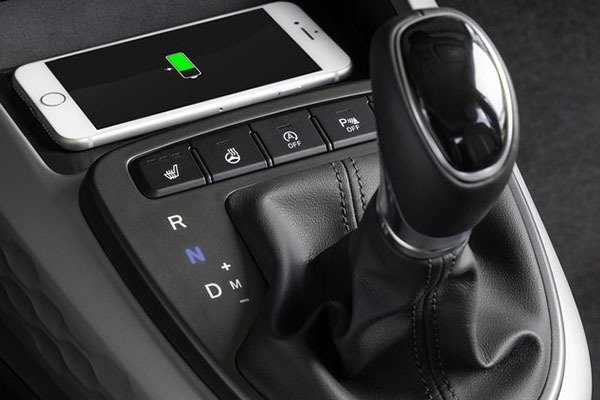

-

 News1 week ago
Ferrari Luce Sells Out For 2027 As Demand For $560,800 Electric Car Set To Grow
-

 News1 week ago
Hyundai Recalls 38,000 Kona Electric And Veloster N Vehicles
-
 News1 week ago
Toyota Showcases Tundra, Tacoma, 4Runner, Prado And Sequoia With Tank Tracks At SEMA 2026
-
 News1 week ago
Ferrari Now Worth More Than Renault, Volkswagen And Stellantis Combined
-
 News1 week ago
Ferrari Reports €1.9bn Q3 Revenue, Ships 3,368 Cars As Purosangue, 296 Speciale And Amalfi Deliveries Increase
-

 News1 week ago
Tesla May Soon Begin Accepting Orders For Its Humanoid Robot
-

 News1 week ago
Oba Elegushi’s New Rolls-Royce Phantom VIII EWB: Is It The Exclusive $3 Million Centenary Edition?
-

 News1 week ago
BYD’s Yangwang U9 Xtreme Smashes 500km/h Barrier, Sets New 503km/h Production Car Record


