
News
Donald Trump Claims Small Japanese Kei Cars Are “Really Cute” And Wants Them In The US

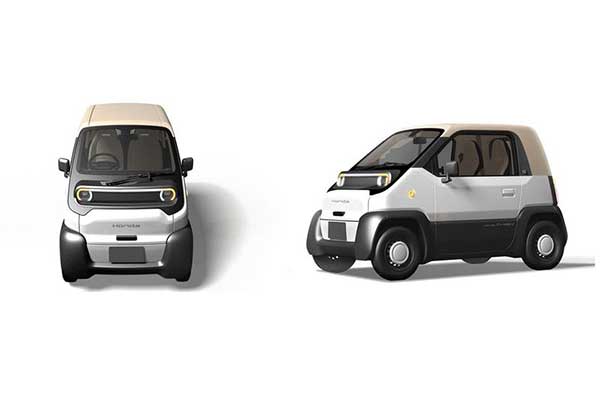
At a press conference in the White House, Donald Trump surprised the public by mentioning the possible arrival of a specific type of vehicle, which the US has never seriously considered—Japanese “kei” cars. These micro-city cars, which are subject to strict regulations in Japan, have never been mass-imported, primarily because of safety standards and driving habits that are drastically different from American ones. However, energy, industrial, and diplomatic interests are also hidden behind this announcement.
According to Trump, these “very small cars” have great potential in the US market. As he unveiled his Freedom Means Affordable Cars plan, which aims to ease strict energy efficiency standards, Trump took the opportunity to make an unexpected statement about the “kei” cars: “We can’t make them here, but I think they would sell well, so we’re going to approve them.”
660 cc engine and 64 hp
These miniature cars, which in the land of the rising sun are subject to strict regulations—engines up to 660 cc and 64 horsepower, length up to 3.4 meters and width up to 1.48 meters—were described by the president of the world’s first economic power as “very small and really cute.”
This was not just a passing remark. The President directly tasked the Secretary of Transportation to remove all legal obstacles. Namely, these mini-cars, which make up a third of the automobile industry in Japan, currently do not meet American standards for safety and emissions. On the other hand, Japanese manufacturers have so far not invested in this market due to the lack of profitability.
Key cars would have to be made in the USA
Although Washington is opening the door, one key condition has been set—these cars will have to be assembled in the US in order to be sold domestically. The Trump administration presents this as a measure to support local employment, but the economic calculus remains complex. American labor costs could significantly increase the price of these models, which were originally designed to be affordable. The issue of security is equally sensitive. American standards require a level of protection that is incompatible with the small dimensions and weak power of “kei” cars, especially in collisions with SUVs and pickups that dominate the roads.
Currently, only models older than 25 years can be imported without mandatory crash tests, which explains their presence exclusively among a small number of enthusiasts. In several US states, their use is restricted to private property or roads with a low speed limit.
This unexpected move comes at a time of intensifying trade negotiations between Washington and Tokyo. Cars have become a strategic lever: Trump is in favor of more exports of American pickups to Japan, while Toyota, Suzuki, or Honda could locally produce models intended for export back to the Japanese island. “Kei” cars could thus become another pawn in this game of chess between the two countries.








-
 Celebrities Auto5 days ago
Zimbabwe President’s Latest Ride Is Armored Rolls-Royce Cullinan, Joins Maybach S-Class Sedan And SUV
-
 News7 days ago
Putin Test-Drives Chinese-Designed Volga K50 Built At Former Volkswagen Plant
-
 Car Theft1 week ago
Oyo Police Bust Trans-National Car Theft Syndicate, Recover Stolen Lexus RX 350
-
 News1 week ago
1997 Cadillac DeVille d’Elegance: Why Dolly Parton Donated Her Favorite Car After 10 Years
-

 Celebrities Auto5 days ago
Why Burkina Faso’s President Traoré Rejects Luxury SUVs For 2011 Toyota ‘Buffalo’ As Official Car
-
 News1 week ago
₦5.6 Billion ($3.5M) G-Stallion: Carlex Unveils One-Off G-Wagon With Horse-Inspired Roof Artwork
-

 News5 days ago
₦1.3 Billion Armored Rezvani Vengeance Lands In Nigeria Amid Insecurity, 2027 Elections
-
 News4 days ago
CR7’s $40M Car Collection, Lamborghini Revuelto SV, Xiaomi SkyNomad Series, Genesis GV90, News In August