
News
Japanese Automakers Warn That US-Imported Vehicles Don’t Meet Local Cosmetic Standards

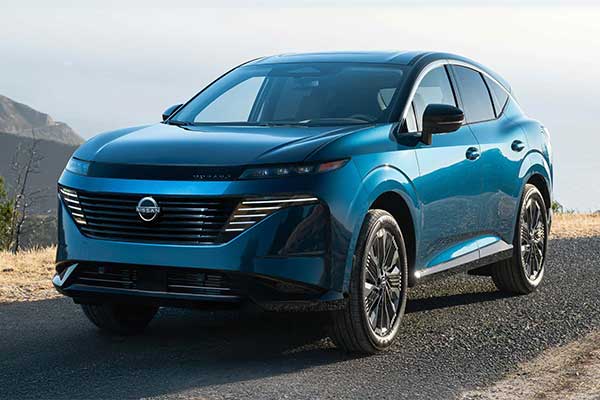
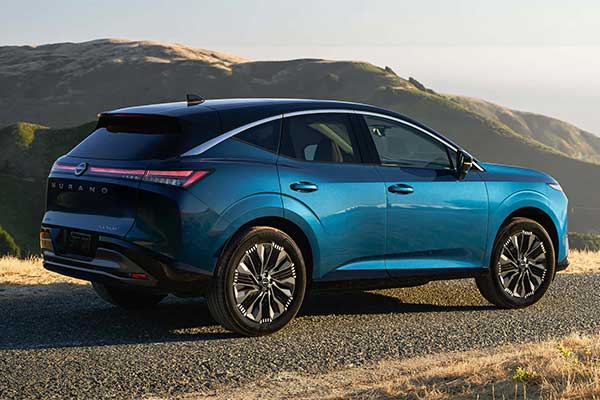
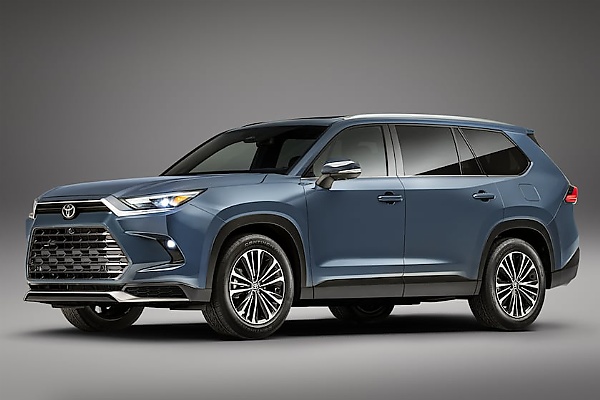
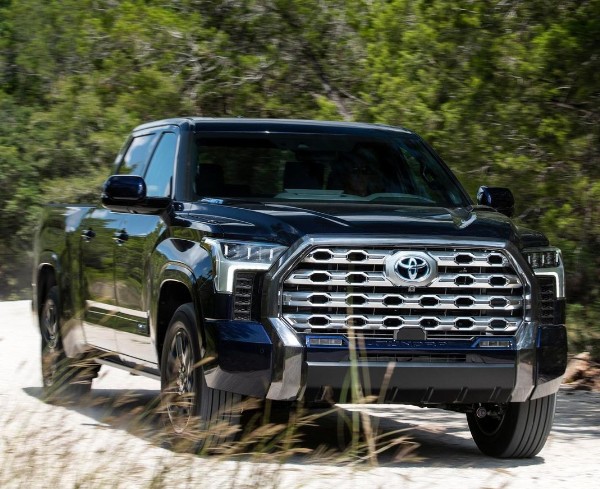
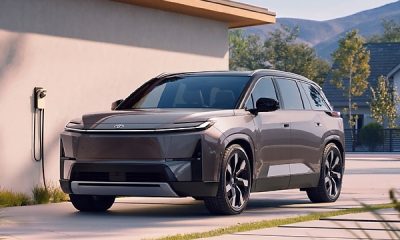
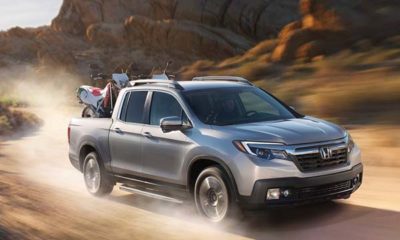
Last year, US President Donald Trump signed a trade deal that allows for a more dynamic flow of goods with Japan. As a result, US-made cars can be imported into Japan without serious tariffs. Toyota and Nissan have taken advantage of this and now supply American Tundra, Highlander and Murano models to Japan. But they may have drawbacks that domestic buyers are not used to seeing.
The Murano notice states that this vehicle is manufactured to specifications intended for overseas markets and differs in quality standards from those applied to vehicles intended for the Japanese domestic market.
The notice continues, stating that the SUV may have dust particles in the paint and uneven and irregular gaps between body parts. Fortunately, Nissan notes: These differences do not affect the functionality or performance of the vehicle, so you can use it with confidence. Toyota has a similar warning for the Tundra and Highlander, stating that the paint finishes are designed for foreign markets and that customers may notice thin paint, color variations, polish marks and dents.
Japanese buyers are apparently accustomed to higher cosmetic standards. However, manufacturers guarantee that there are no differences in durability and quality of the key components.







-
 Celebrities Auto1 week ago
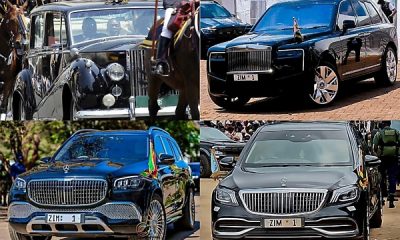
Zimbabwe President’s Latest Ride Is Armored Rolls-Royce Cullinan, Joins Maybach S-Class Sedan And SUV
-

 News1 week ago
Putin Test-Drives Chinese-Designed Volga K50 Built At Former Volkswagen Plant
-

 Celebrities Auto1 week ago
Why Burkina Faso’s President Traoré Rejects Luxury SUVs For 2011 Toyota ‘Buffalo’ As Official Car
-
 News1 week ago
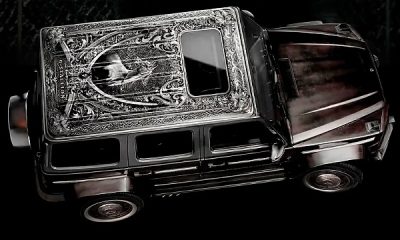
₦5.6 Billion ($3.5M) G-Stallion: Carlex Unveils One-Off G-Wagon With Horse-Inspired Roof Artwork
-

 News1 week ago
₦1.3 Billion Armored Rezvani Vengeance Lands In Nigeria Amid Insecurity, 2027 Elections
-
 News6 days ago
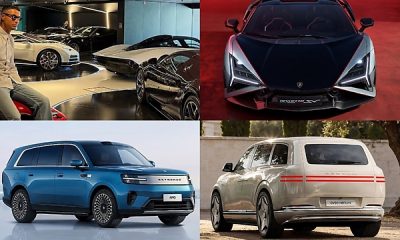
CR7’s $40M Car Collection, Lamborghini Revuelto SV, Xiaomi SkyNomad Series, Genesis GV90, News In August
-
 Autoshows & Awards1 week ago
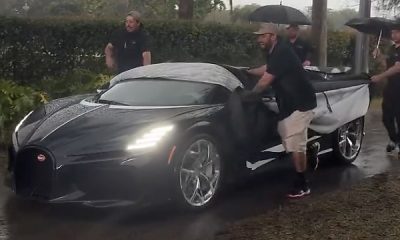
$5M Car With No Roof? Handlers Rush To Save Bugatti W16 Mistral Interior During Heavy Rain
-
 News6 days ago
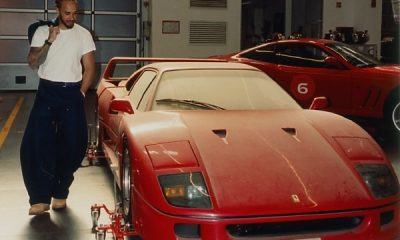
Ferrari F40: Lewis Hamilton Acquires Childhood Dream Car After Selling Entire $30 Million Car Collection