
Latest Cars
Mercedes Unveils 2019 Experimental Safety Vehicle That Shows Life-saving Techs Of Future Cars

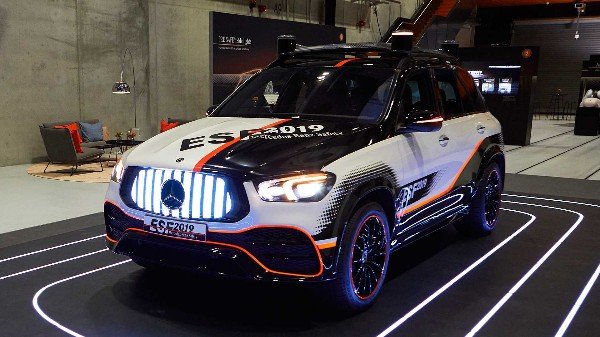
German automaker Mercedes-Benz on Monday unveiled its latest Experimental Safety Vehicle for 2019. Just like the previous versions over the years, the latest concept , the ESF 2019, previews life-saving technologies that could one day show up in future Mercedes production cars.
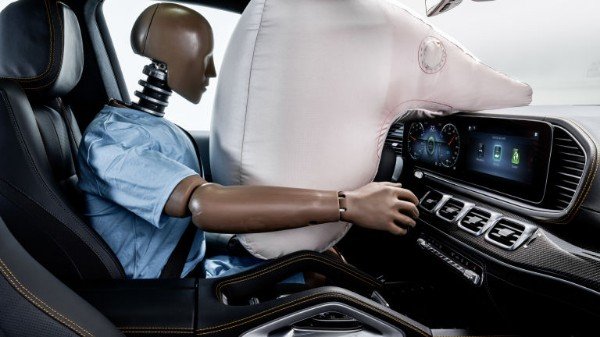
The Mercedes-Benz GLE based Level 4 autonomous Experimental Safety Vehicle uses a plug-in hybrid powertrain . It has padded floor while the airbag is located in the dashboard, so it can still deploy when the wheel is retracted. There’s even an airbag between the front occupants to prevent human-to-human contact during a crash.
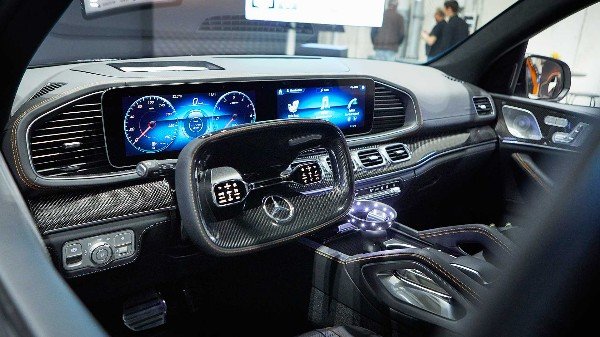
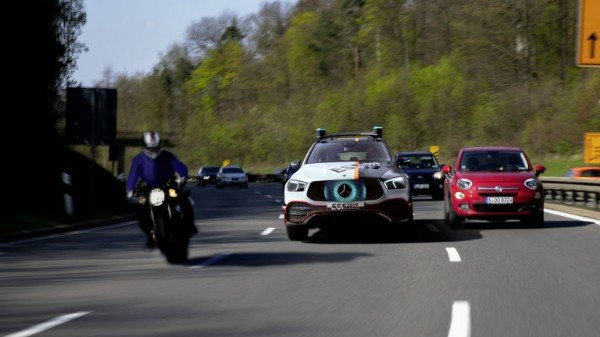
When driving in automated mode, the steering wheel and pedals retract to reduce the risk of injury in the case of a crash. When the robots are in charge, a display on the front grille can communicates the vehicle’s intentions to other drivers and road users.
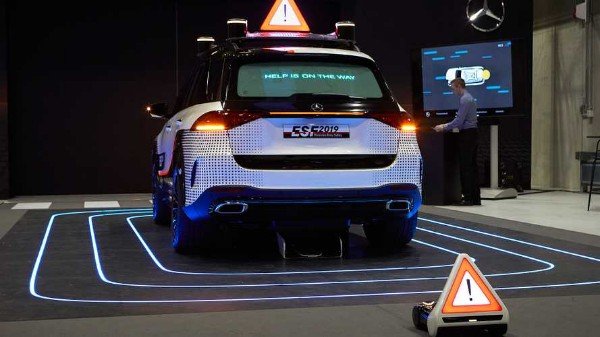
In addition to the front grille screen, it can also project animations and symbols onto the rear windshield.
When the human is in charge, there are little touches like sun visors that emit “daylight-like light” to keep the driver alert.
Ola Källenius, Member of the Daimler AG Executive Board responsible for Mercedes-Benz Cars Development,said:
“Safety is part of the brand DNA of Mercedes-Benz. We have repeatedly demonstrated that we are not short of ideas in this field since the 1970s, with our Experimental Safety Vehicles. The new ESF 2019 reflects the mobility of the future, and presents a wide variety of innovations which we are currently researching and developing. And I can already say this much: some of the functions are very close to series production,”
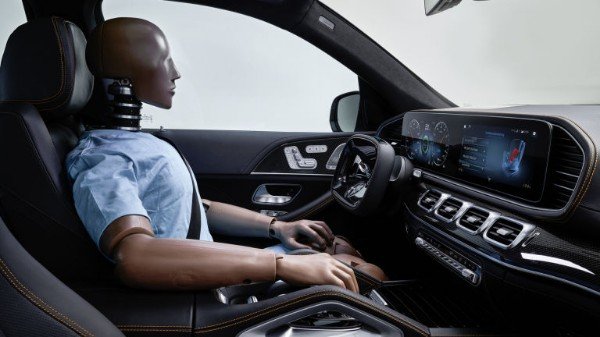
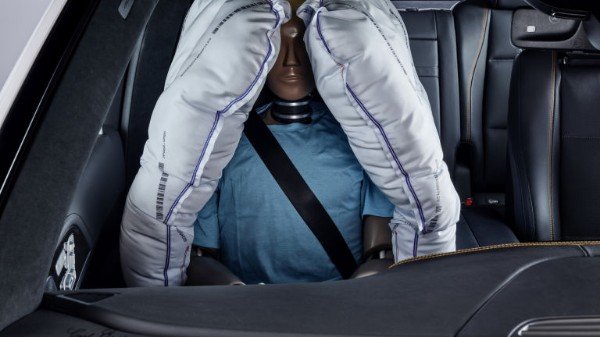
Mercedes-Benz also introduced some safety systems specifically for kids that can tighten their seatbelts and boost side-impact protection when sensors suggest a problem is imminent.
The system can also tell a vehicle owner if the seat has been installed improperly. There’s also a camera to keep an eye on the little ones in rearward-facing seats.
If the Experimental Safety Vehicle detects a rear-end collision, it can automatically move the car forward before the crash, giving the driver behind a little extra room to come to a stop without contacting anyone.
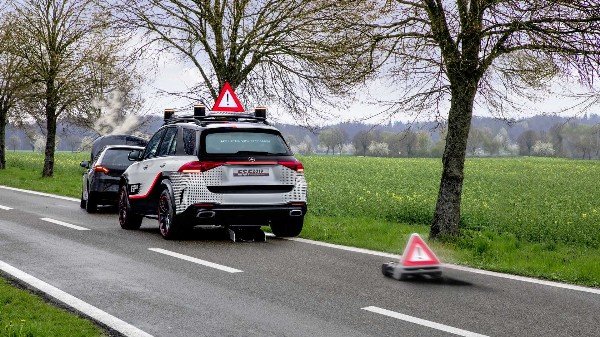
Another interesting feature is a small robot that automatically emerges from the vehicle’s rear after an accident, and acts as a warning triangle.
Mercedes-Benz will display the research vehicle at the ESV convention in Eindhoven in June, which will be followed by a public premiere at the Frankfurt Motor Show in September 2019.










-
 Celebrities Auto1 week ago
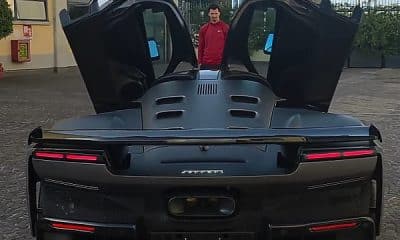
Swedish Soccer Icon Zlatan Ibrahimovic Buys $4 Million Ferrari F80 For 45th Birthday (Photos)
-

 News1 week ago
Who Owns Who? World’s Largest Automakers And The Car Brands They Currently Control
-

 News4 days ago
Carloha Goes “The Extra Mile” To Redefine Vehicle Ownership Experience In Nigeria
-

 Celebrities Auto4 days ago
No Innoson This Year As BBNaija Season 11 Winner Temi Receives ₦60m Hyundai Tucson, ₦90m Cash Prize
-

 News1 week ago
Porsche Will Fit A Petrol Engine In The Macan Again In 2028
-
 News1 week ago
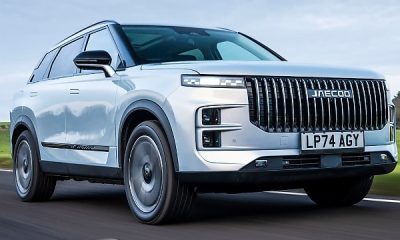
‘Temu Range Rover’ Jaecoo 7 Tops UK Car Sales In September As Chinese Brands Continue Their Global Rise
-

 Celebrities Auto1 week ago
Cars Owned By Coscharis CEO Cosmas Maduka, From Rolls-Royce And Grenadier To Range Rover
-
 Latest Cars2 days ago
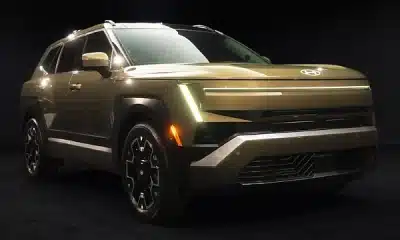
All-New 2027 Hyundai Tucson Unveiled With Bolder Design, Hybrid Power And New Tech


