
News
Stellantis To Invent In A LiDAR Start-Up Called SteerLight

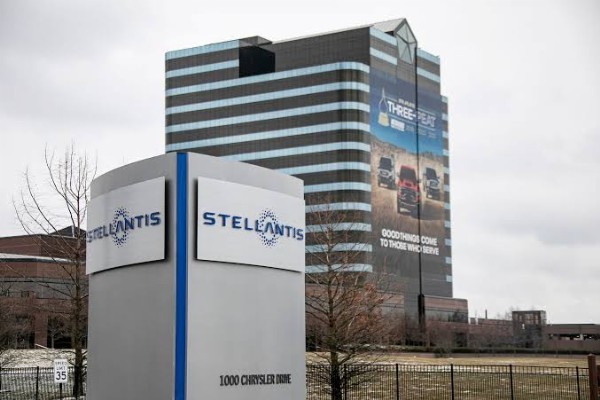
Stellantis has announced its investment in a revolutionary French LiDAR start-up called SteerLight. The new technology would allow better performance at an affordable cost in large series. But given the context surrounding this technology, this choice nevertheless raises questions.
Stellantis announced this Wednesday, March 20, its support for LiDAR technology through its Stellantis Ventures investment fund. And, for once, the company on which the automobile giant has just bet is a French start-up located in Grenoble called SteerLight. Since its creation in 2022, Stellantis Ventures’ mission has been to target young companies developing technologies related to automobiles and mobility. The French from SteerLight managed to raise 3.2 million euros from the Franco-Italian-American giant, in addition to funds from Quantonation and LIFTT as well as a loan from Bpifrance. The start-up thus joins 12 other young companies that have already received support from the group led by Carlos Tavares.
A more efficient LIDAR?
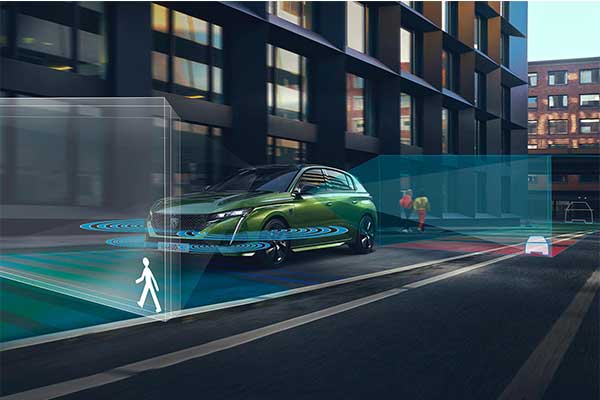
Why this start-up and not another? SteerLight is working on a new LiDAR technology (Light Detection and Ranging, or Light Detection and Ranging in French) based on an electronic chip that would allow clearer and more precise 3D capture of the environment while costing much less to mass-produce than current LiDARs. SteerLight’s system uses a wavelength of 1550 nm instead of a value between 905 nm and 940 nm, which allows it to emit 40 times more power. Ultimately, Stellantis would like to integrate this technology into the group’s future models to improve advanced driver assistance systems (ADAS) and autonomous driving.
An application by 2030?
Although it supports a French company, this investment by Stellantis raises questions in a period marked by massive disinvestment in autonomous driving technologies. Announced as a revolution that should have materialized in the decade we are going through, autonomous driving simply does not exist, and its development seems to be stagnating. On the other side of the Atlantic, Waymo and Cruise, respective subsidiaries of Google and General Motors specializing in driverless driving, have seriously reduced their activity, while in Europe, manufacturers are remaining discreet. According to Ned Curic, technical director at Stellantis, this investment “is one of the key elements of the Dare Forward 2030 plan initiatives.”. We just want to believe it, but we are not sure that 2030 is the right deadline for cars that drive “alone.”.








-

 Celebrities Auto3 days ago
Throwback: When KC Luxury Boasted Of Being The Only Person In The World To Own Two Rare Mercedes-Maybachs
-

 Celebrities Auto5 days ago
Inside KC Luxury’s Car Collection: From A ₦2.5B Brabus 800 Adventure XLP To Alicia Keys’ Former Maybach
-

 News1 week ago
Mansa Fulfills Challenge: TikTok Star Peller Gifted ₦300 Million Mercedes-Benz G-Wagon
-
 News1 week ago
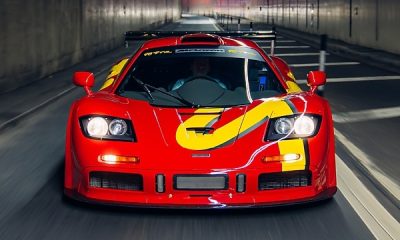
Ultra-Rare, Centre-Driving McLaren F1 GTR Fetches Record $34.6 Million At Auction
-
 News1 week ago
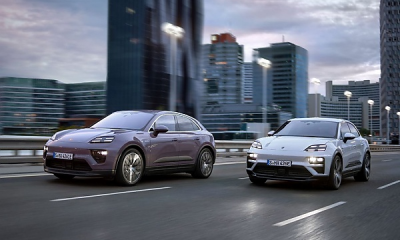
Porsche And Chinese Company Xpeng Collaborate To Lower Average Emissions In Europe
-

 News1 week ago
“Wike Carry ‘Rivers’ Come Abuja”: Citizens React As Flash Floods Submerge Luxury Vehicles
-
 News4 days ago
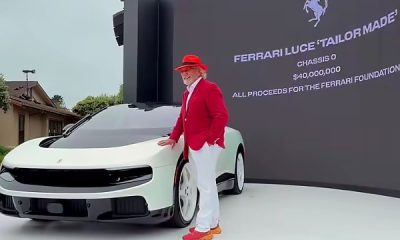
Who Is Herbert Wertheim? The 87-Year-Old Billionaire Who Bought The $40M Ferrari Luce “Chassis 0”
-
 News1 week ago
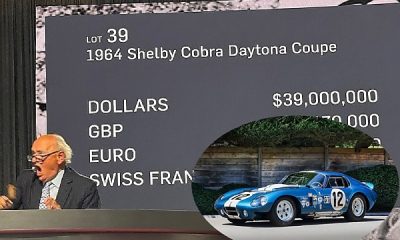
American Icon Shelby Cobra Daytona Coupe That Beat Ferrari 250 GTO In 1965 Sells For Record $42.9 Million