
Car Facts
This Is The Cause Of The Growing Theft Of Car Manufacturer Labels

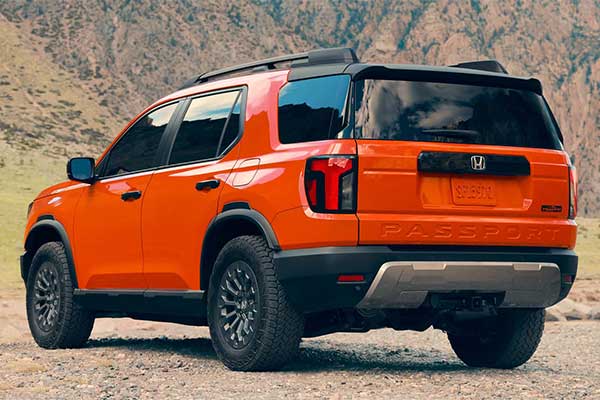
Car thefts are not uncommon, and thefts of parts, such as catalytic converters, LED lights, alloy wheels, sophisticated mirrors, steering wheels with airbags, and reversing cameras, are becoming increasingly common. Anything expensive that could be put to good use on another, newer car that was involved in a car accident and was not covered by insurance is being stolen.
A new trend has recently emerged among thieves. What was once just a manufacturer’s mark is now a target for thieves and a “valuable commodity” on the black market. The thefts are carried out by well-organised groups, with the damage to the owners being measured in thousands of euros.
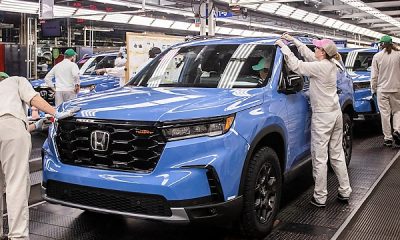
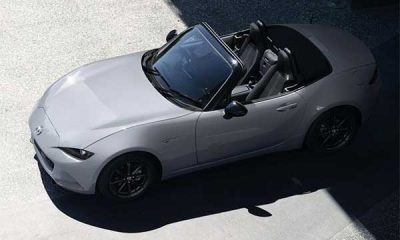
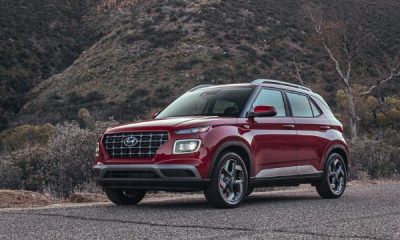
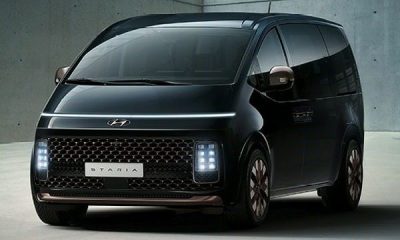
In recent months, several American cities, especially New York, have seen an increase in emblem thefts from newer vehicles from brands like Mazda, Honda, and Hyundai. Owners wake up to find a hole in the front fascia where the emblem used to be, but the real problem isn’t the missing piece of plastic—it’s the sophisticated technology hidden behind it.
Because car manufacturers have been integrating advanced driver assistance systems (ADAS) into vehicle design in recent years. To keep the front end aesthetically clean, radar sensors and other key elements are often placed just behind the brand emblem.
These systems enable automatic emergency braking, maintain a safe distance, and provide adaptive cruise control. From 2024, such systems will be mandatory on all new vehicles registered in the European Union, which means that more and more cars are equipped with expensive sensors, and it is believed that this trend from the US will move to the Old Continent.
What takes thieves just a few seconds and a screwdriver can be a headache for the thief’s target, as replacing a stolen or damaged radar sensor in an emblem is not cheap. The price of the part itself, depending on the make and model, ranges from 500 to 1500 euros. But the cost doesn’t end there.
After installing the new sensor, the system needs to be precisely calibrated to ensure that automatic braking and other safety features work properly. This procedure costs an additional €200 to €500. The total cost can therefore approach €2,000, writes TopGear.








-
 News6 days ago
Kaduna Governor Unveils 2026 Peugeot 3008 And 5008 SUVs, Urges Govt Patronage
-
 Auto Sport1 week ago
Italian GP: Lewis Hamilton Turns Heads With His Ferrari F40 — Why His “Dream” Car Is So Special
-

 Celebrities Auto1 week ago
Chinese President Xi Jinping’s Impressive Motorcade Turns Heads In Egypt
-

 Celebrities Auto4 days ago
Afrobeats Star Kizz Daniel Splashes ₦1.6 Billion On Brand New 2026 Ferrari Purosangue SUV
-
 News1 week ago
Toyota Hit By Long Waiting Times As The RAV4 Still Hasn’t Gotten To Customers
-

 News5 days ago
Top Auto News Last Week: Uber Exits Nigeria, Launches UK Robotaxi, Tesla Debuts Steering-Wheel-Free Cybercab, Kaduna Gov Unveils 2026 Peugeot 3008 And 5008
-
 News1 week ago
No Steering Wheel, Brake Pedal: US Launches Probe Into Elon Musk’s ‘Cybercab’ Self-Driving Taxis
-
 Celebrities Auto4 days ago
Burna Boy’s ₦9 Billion Bugatti Chiron VXX: The Making By Venuum