
News
Turkey’s Car Market Experiences Extraordinary Price Jerk Up, See Why

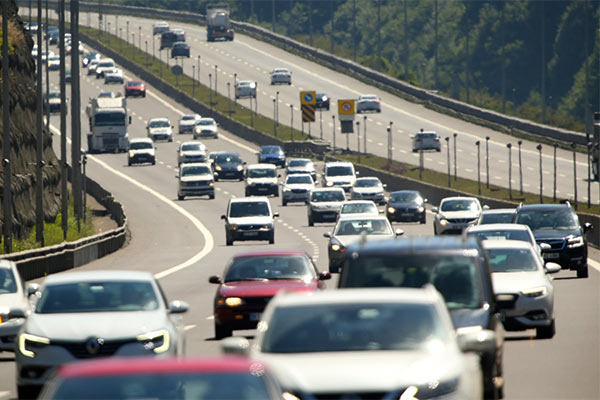
Turkey’s car market experiences extraordinary price jerk up due to the depreciation of lira.
Citizens, including office workers, retirees, Bankers and shopkeepers, have turned to auto buying and selling to earn money.
The depreciation of the Turkey’s lira has reportedly caused prices of ordered vehicles to increase during the period until the delivery takes place, making automobiles a tool for investment, according to a report published Monday by the Turkish daily Dünya.
The report said those who are not in the sector, including office workers, retirees, bankers, and shopkeepers, have turned to auto buying and selling to earn money.
“These people put their names on the order list of the dealers, and when it’s their turn to receive the vehicle, they try to make a profit by selling the brand-new car above the market value,” the report said.
The extraordinarily high price hikes peaked with the sudden depreciation of the lira last week.
Turkey’s lira slid to 13.45 against the dollar on Nov. 23, the lira’s largest drop since 2018. The currency has hit record lows in 11 consecutive sessions, bringing its losses since the start of the year to 43%.
With the expectation that prices would increase further, house and car ads were withdrawn from online advertising platforms on the day. The vehicle and property owners, who survived the initial panic, put advertisement’s back up again but with much higher prices.
Also, there have been a 16% price increase on average in the secondhand market, the Dünya report said, while this rate was much higher for online sites.
The main reason why the exchange rate-based price hikes affect the sector is the current special consumption tax (SCT) system, according to industry representatives who say even a small price update based on the exchange rate can increase the tax bracket of the vehicle from 50% to 80%, thus making the increase rate very high.
Speaking to Dünya, Automotive Distributors Association (ODD) officials emphasized that the SCT system has a multiplying effect on vehicle prices that rise depending on the exchange rate and that “this mobilizes secondhand opportunists.”
Some dealers who spoke to Dünya expressed that they were being pressured by the exorbitantly priced vehicle advertisements, which are above the market value.
“Some consumers who come to buy a new vehicle by bartering their vehicle find the trade-in price offered by the dealer for the secondhand vehicle too low and show the advertisements on the sites as an example.”

-

 Celebrities Auto1 week ago
Afrobeats Star Kizz Daniel Splashes ₦1.6 Billion On Brand New 2026 Ferrari Purosangue SUV
-

 News1 week ago
Top Auto News Last Week: Uber Exits Nigeria, Launches UK Robotaxi, Tesla Debuts Steering-Wheel-Free Cybercab, Kaduna Gov Unveils 2026 Peugeot 3008 And 5008
-
 Celebrities Auto1 week ago
Burna Boy’s ₦9 Billion Bugatti Chiron VXX: The Making By Venuum
-

 Car Theft2 days ago
Fear Of Theft: Indian Man Hires Crane To Park New Mahindra SUV On Rooftop Before Traveling To Israel
-
 News5 days ago
Mercedes-AMG CLE 646 Spezialanfertigung: Sold-Out 646-HP Collector’s Item Limited To Just 30 Units
-

 Auto Fun1 week ago
Police Impound Fake Armored ‘Beast’ Limo After Trump Look-alike’s Motorcade Stunt Violates Law
-

 Auto Sport1 week ago
New Mercedes-Benz S-Class “140 Years. 140 Places” Global Tour Reaches Africa As Nigeria Misses Out
-

 Business6 days ago
Mate Rimac Becomes Bugatti President Following Porsche’s Exit