
News
No Electric Porsche 911 In The Foreseeable Future

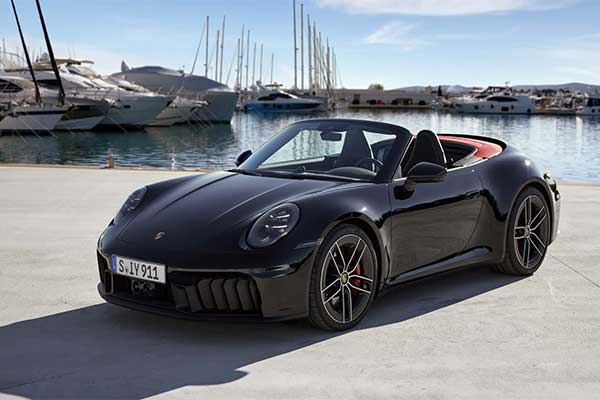
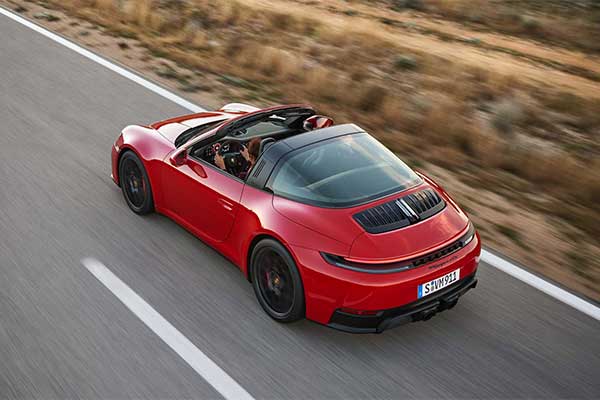
Porsche has no intention of building a fully electric 911 in the foreseeable future, thus sticking with the internal combustion engine and hybrid drivetrain for the model that more or less defines the brand.
As Carscoops reports, the experimentation will take place elsewhere. The next-generation 718 Cayman and Boxster will also come with electric powertrains, even after internal miscalculations and programme delays threatened to derail that plan. Both cars will be sold as electric vehicles and in higher-end combustion engine variants.
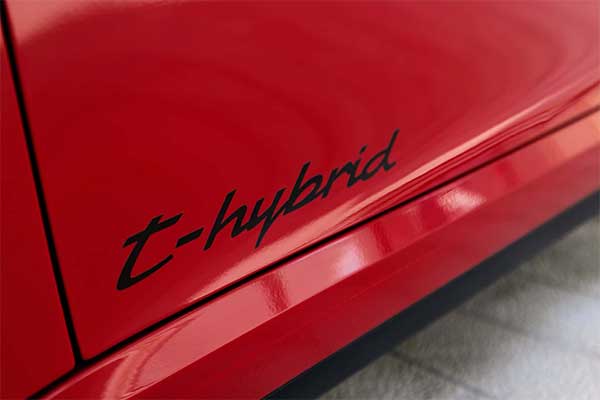
Daniel Schmollinger, CEO of Porsche Cars Australia, spoke to local media about the electrification plans in the sports car segment: “We are going with the electric 718, as the first electric two-door sports car. The 911 remains what it is for now. With T-hybrid technology, it shows what is possible without a fully electric drive.”
Porsche has always positioned the 911 as the last model with an internal combustion engine, even in a future where the rest of its lineup will go electric. The plan hasn’t changed, but the context around it has. Weaker demand for electric vehicles has forced Zuffenhausen to push back its electrification timeline, which only pushes an electric 911 further into the realm of the hypothetical.
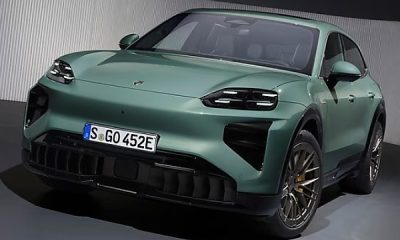
Schmollinger touched on the subject of the Macan EV, acknowledging that initial sales volumes are not on par with those of its gasoline-powered predecessor. The latter will soon cease production in Germany, and Porsche will stockpile examples to meet demand for a while.
Still, the CEO of Porsche Australia attributes the lack of interest in an electric vehicle to consumer readiness, not the vehicle itself: “It’s not a decision against the car, or the Macan as such. That’s perfectly fine. Everyone should choose the technology and car they feel comfortable with.”
The answer for the rest of the range is to offer everything. The Cayenne is sold with petrol, plug-in hybrid and all-electric powertrains, and a hybrid version of the next Macan is in development to be offered alongside the electric vehicle. It’s a portfolio designed to absorb whatever direction the market actually moves.
Synthetic fuel, the other lever Porsche is pulling, is still far from relevant. Schmollinger admits that the technology is “far from mainstream”. He also notes that he drives an electric vehicle himself and that Porsche has always expected that electric vehicle adoption will move at different speeds in different markets, depending on charging networks, policies and consumer appetite.






-
 Celebrities Auto7 days ago
Swedish Soccer Icon Zlatan Ibrahimovic Buys $4 Million Ferrari F80 For 45th Birthday (Photos)
-
 News1 week ago
Who Owns Who? World’s Largest Automakers And The Car Brands They Currently Control
-
 News3 days ago
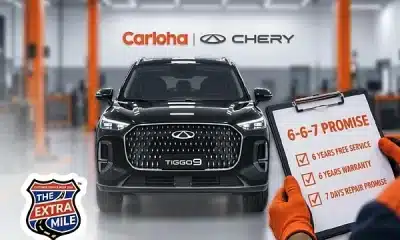
Carloha Goes “The Extra Mile” To Redefine Vehicle Ownership Experience In Nigeria
-
 Celebrities Auto1 week ago
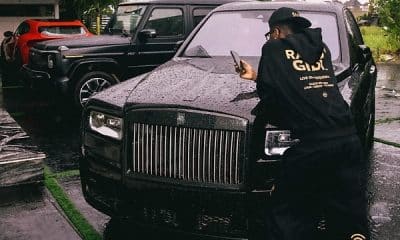
Kizz Daniel Flaunts Car Collection With ₦1.6bn Ferrari Purosangue, Rolls-Royce Cullinan & Mercedes G-Class
-

 Celebrities Auto3 days ago
No Innoson This Year As BBNaija Season 11 Winner Temi Receives ₦60m Hyundai Tucson, ₦90m Cash Prize
-
 News7 days ago
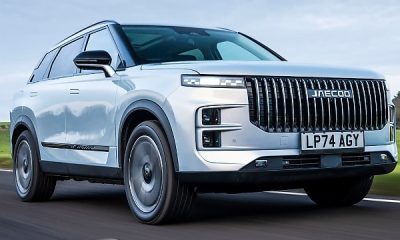
‘Temu Range Rover’ Jaecoo 7 Tops UK Car Sales In September As Chinese Brands Continue Their Global Rise
-

 News6 days ago
Porsche Will Fit A Petrol Engine In The Macan Again In 2028
-
 News1 week ago
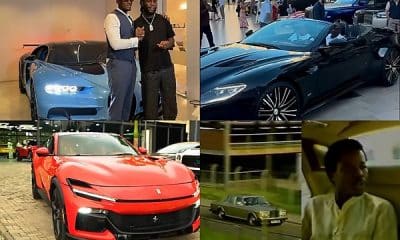
Burna Boy’s Bugatti, Otedola’s Aston Martin, Kizz Daniel’s ₦1.6B Ferrari SUV, Sunny Ade’s Gold Rolls-Royce, Nigerian News In September


