
News
Even While Batteries Are Getting Cheaper, EVs Are Still Very Pricey

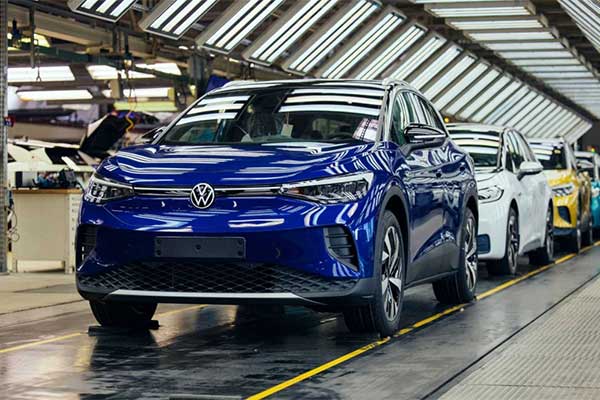
The cost of producing batteries for electric vehicles has fallen globally by about 35 percent in the past five years, but this has not fully translated into car prices in showrooms.
A new German study shows that prices of comparable electric models have fallen by 18 percent in real terms over the same period, while gasoline and diesel cars have become more expensive. However, the average price of a new electric car on the market has increased.
Researchers from the International Council for Clean Transportation (ICCT) analyzed more than 100,000 car configurations sold in Germany from 2020 to 2025. After adjusting the data for inflation and comparing similar models by weight, power, battery capacity, and range, they found that electric vehicle prices have fallen by about 18 per cent in real terms. At the same time, the prices of equivalent cars with internal combustion engines have increased by about 2 percent.
The study sees cheaper batteries as the main reason for the decline in electric vehicle prices. However, the question arises as to why the 35 percent drop in battery prices has not resulted in an equal decrease in the price of cars. The researchers explain that manufacturers have used some of these savings to improve vehicles, such as increasing their range or installing better equipment. Some of the funds are also directed to covering research and development costs, rather than further reducing the retail price.
Although individual models have become cheaper, the broader market picture shows the opposite trend. The average advertised price of an electric car on the German market has actually increased, from around 38,000 euros in 2020 to 54,000 euros in 2025.
The reason is the rapid growth in the number of available models, which has increased from 38 to 159 in five years. Most of the new models belong to the larger and more expensive segments, i.e. the middle and upper classes. The offer of smaller and more affordable electric cars remains limited, and city and small models account for only 14 percent of the total electric vehicle market.
The authors of the study note that their conclusions apply only to the German market, which differs from markets like the US due to its incentive system, taxes and buyer habits. Nevertheless, the report sends a clear message to anyone expecting a drastic drop in the price of electric vehicles. Lower battery costs do not automatically mean lower prices in the showroom, as savings are often redirected to longer range, richer equipment or the development of more luxurious models.










-

 Car Theft1 week ago
Fear Of Theft: Indian Man Hires Crane To Park New Mahindra SUV On Rooftop Before Traveling To Israel
-

 Celebrities Auto2 days ago
Most Expensive In Africa : Burna Boy Takes Delivery Of His ₦9B Bugatti Chiron VXX
-

 Celebrities Auto1 week ago
Is This Asake’s New Ride? Inside the 1,001-HP Lamborghini Revuelto Venuum Voltoro V1 Spotted With Giran Republic Branding
-
 News1 week ago
Chevrolet Silverado EV Remains For 2027 With A Subtle Update
-
 News1 week ago
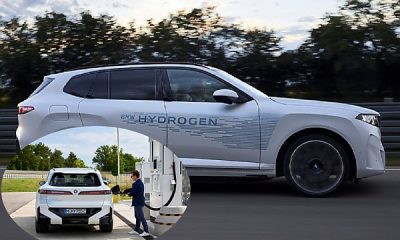
BMW iX5 Hydrogen Enters Real-World Testing Ahead Of Production, Targets 750km Range, 5-Minute Refuelling Time
-
 News7 days ago
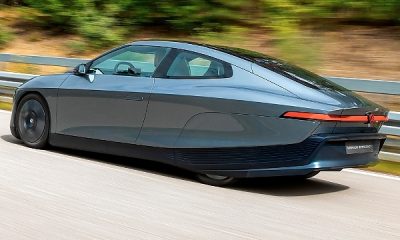
Mission Efficiency: Volkswagen Unveils World’s Most Efficient Near-production Electric Car
-

 News1 week ago
Opebi-Ojota Link Bridge To Open To Vehicular Traffic On September 30 With Iconic Cane Feature
-
 News1 week ago
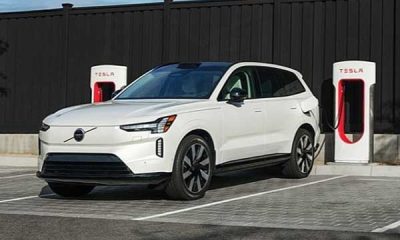
Analysis: The Cost Of Electric Cars Is 33% Lower Than The Cost Of Gasoline Cars