
News
Rivian Wants To Fix 80% Of Driveways’ Service Issues

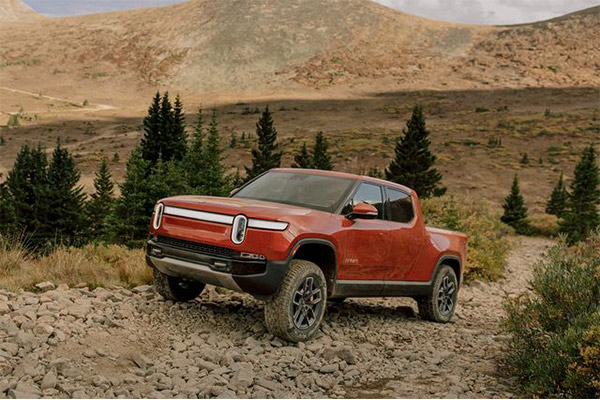
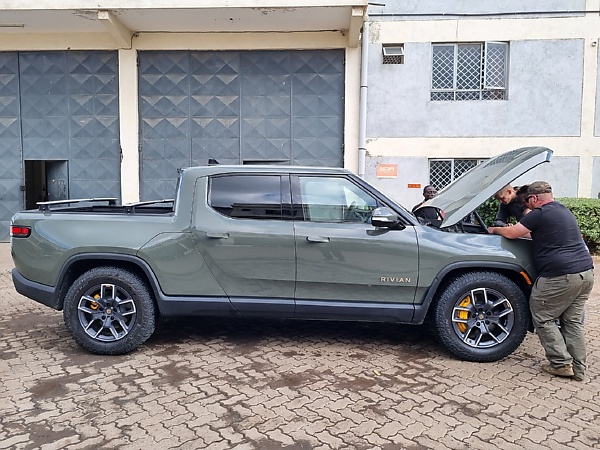
Early Rivian consumers frequently complained about the company’s service. One of Rivian’s most significant bottlenecks was service inefficiency, as customers had to wait up to 50 days to even get their cars into a service centre for an examination. This was especially true when the company’s vehicles still had problems that needed to be fixed.
Rivian is shifting to a mobile-first service model, with CEO RJ Scaringe aiming to handle 80% of vehicle repairs directly at customer homes to improve efficiency as the company scales toward mass-market production.
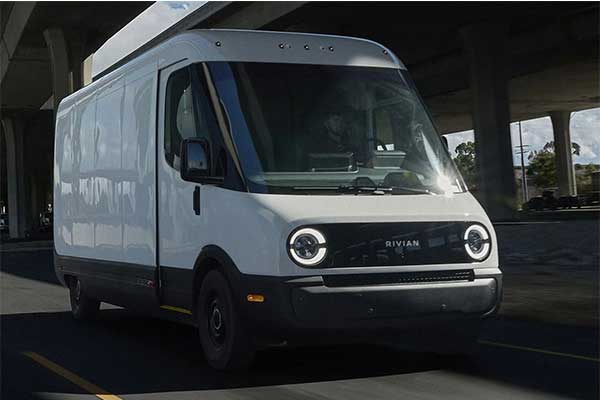
Rivian’s service strategy centers on bypassing the traditional dealership model in favor of an off-site repair framework. CEO RJ Scaringe recently announced that approximately 60 percent of the company’s service operations are currently conducted by a mobile fleet, with plans for further expansion. To support this objective, Rivian has deployed approximately 800 mobile service vehicles nationwide. The majority of this fleet comprises modified vans that serve as mobile repair bays, dispatched directly to customers’ residences. For more complex or remote recovery scenarios, the company utilizes specialized Rivian Service Trucks (RSTs) designed to reach drivers in challenging environments, including off-road locations. Rivian asserts that its RSTs are capable of providing recovery services regardless of the vehicle’s location.
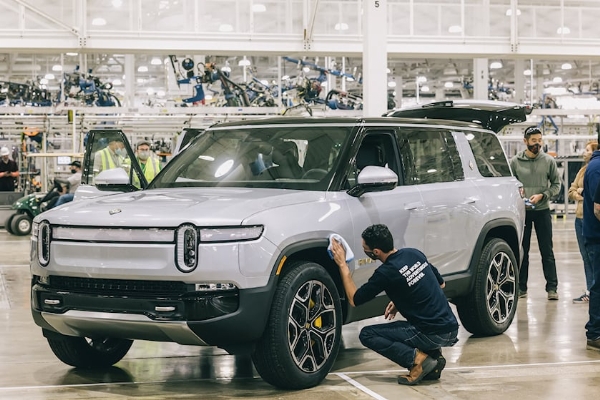
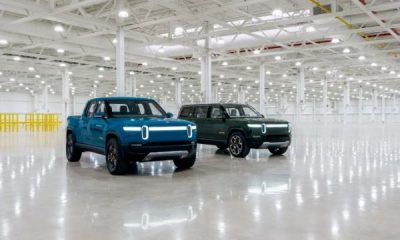
Rivian’s move to mobile service isn’t just about making things easier—it’s a survival move. With the new R2 SUV hitting the streets, they’re no longer just working on a handful of luxury trucks. Bringing in tens of thousands of new drivers means their old service setup just won’t cut it anymore, so they’re forced to get way more efficient to keep up with the demand.
While mobile service units are well-equipped to manage software updates, tire rotations, and minor hardware repairs, complex battery diagnostics and major mechanical work still necessitate the infrastructure of traditional service centers. In recognition of this requirement, Rivian is actively expanding its physical footprint, with plans to operate over 150 brick-and-mortar service locations by the end of 2027.
Although Rivian’s mobile-first service model presents a compelling solution by reducing the need for loaner vehicles and minimizing customer travel time, its long-term success will depend on effective execution. As the company prepares for the mass-market rollout of the R2, its fleet of 800 mobile service vehicles will serve as the primary defensive line in maintaining vehicle uptime and ensuring a seamless ownership experience.








-

 Celebrities Auto1 week ago
Most Expensive In Africa : Burna Boy Takes Delivery Of His ₦9B Bugatti Chiron VXX
-

 Celebrities Auto6 days ago
From ₦9B Bugatti Chiron To Porsche 911 GT3 RS, 12 Impressive Cars In Burna Boy’s Multi-Billion-Naira Car Collection
-

 Celebrities Auto1 week ago
Diamond-Encrusted Key For Burna Boy’s ₦9B Bugatti Chiron VXX Can Buy A Brand-New Car
-

 Celebrities Auto1 week ago
Today’s Photos: Burna Boy’s Bugatti Chiron VXX Journey From Dubai To Abuja And Lagos
-
 Celebrities Auto2 days ago
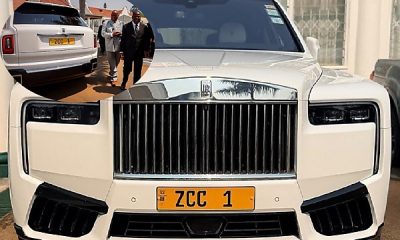
Billionaire Gifts Popular Bishop 2026 Rolls-Royce Cullinan And Over ₦370 Million Cash For Fuel
-

 News1 week ago
Bugatti W16 Mistral: $16.3M World’s Fastest Open-Top Car Gets Paint Protection Film
-

 Celebrities Auto1 week ago
Inside Andrew Tate’s Bugatti Chiron With Custom “Tate” Headrests, Which He Claimed Was Rented
-
 News4 days ago
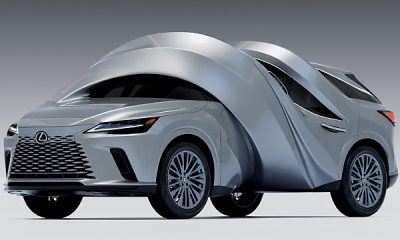
MOTOMORPHOSIS: MSCHF Transforms Lexus RZ 450e and RX 450h+ Into Bizarre Car Sculptures


