
News
Toyota Admits The Non-Involvement Of The Management In The “Crash” Test

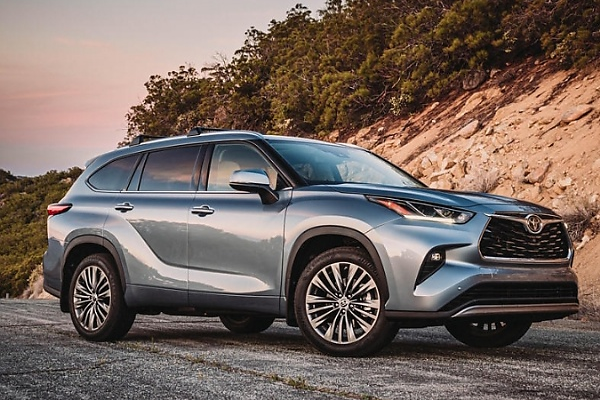
Last year, Toyota ran into trouble with Japan’s Ministry of Land, Infrastructure, Transport, and Tourism (MLIT) over irregularities found in the vehicle certification process.
In short, some of Toyota’s processes related to the certification of new vehicles did not comply with the official procedures required in Japan. Everything came to light in 2023 when it was determined that some Daihatsu models had been modified for better results in safety tests.
Now Toyota has filed a comprehensive report on how it plans to make things right. Without going too far into the company’s three-part blueprint, Toyota’s chief technology officer and director of quality will split duties as the main men in charge of making sure everything goes right.
More precisely, the technology chief will make decisions during vehicle development, while his colleague in charge of quality will have the final say when it comes to certification. Lines of communication will be open at all levels, in order to better understand what needs to be done. Acting as the second line of defence, the legal supervisor will audit the process and report to the chief risk manager. That’s a brief summary of the plan, which includes a host of new rules, new methods, and additional responsibilities during the certification process.
In a statement, Toyota acknowledged the failures of management at multiple levels and promised to do better: “With MLIT’s suggestions, Toyota recognized that management was not sufficiently involved in certification operations and that there were many areas for improvement in certification, such as a data management system and establishing clearer rules and procedures.”
Toyota will review the mechanisms and systems created to conduct proper certification operations in order to detect malfunctions and will quickly take steps through the joint efforts of management and those on the ground.”
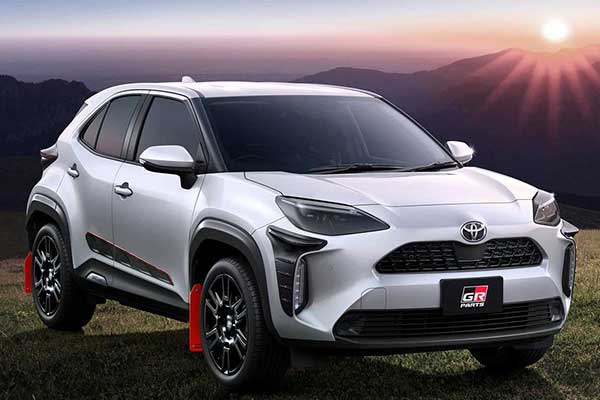
What started as an anomaly with Daihatsu, a brand within the Toyota group, eventually spread to popular models in Japan, such as the Yaris Cross, Corolla Axio, and Corolla Fielder. As a result, production was suspended earlier this year, but things should be back to normal in September.







-

 Business6 days ago
Dangote Cement Rewards Top Distributor With New 2026 Lexus LX700h Worth Over ₦400 Million
-
 News1 week ago
Davido’s Mystery Supercar? Mansory Teases One-Off Open-Top Masterpiece Believed To Be Bugatti Mistral
-
 News2 days ago
Ultra-Rare, Centre-Driving McLaren F1 GTR Fetches Record $34.6 Million At Auction
-

 News1 week ago
The Four-Cylinder Engine Issues With Jaguar Land Rover Are Still There
-

 Auto Sport1 week ago
7:32 Minutes: All-New Mercedes-AMG CLA 45 Sets Nürburgring Record As Fastest In Its Class
-

 News2 days ago
Mansa Fulfills Challenge: TikTok Star Peller Gifted ₦300 Million Mercedes-Benz G-Wagon
-
 Latest Cars7 days ago
Lexus Updates The ES For 2027, And It Will Be Made In Japan
-
 News7 days ago
Moment Fiat Panda Drives Onto Runway And Crashes Into Private Jet Taxiing At Milan Airport