
Tips
Don’t Top-Up Your Radiator With Water. Use Engine Coolant

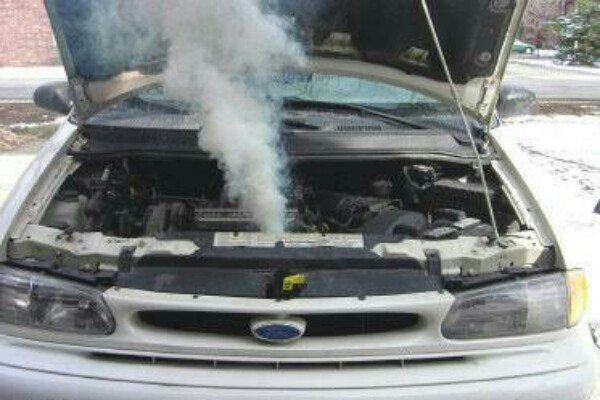

The radiator is the major part of your vehicle that ensures that heat which is the by-product of engine combustion is dissipated into the surrounding air. Engine coolant is the liquid mixture formulated to convey the excess heat from the engine to the radiator.
Our tropical weather dishes out constant punishment to car engines in form of extreme daily temperatures.
It is not only engine oil level that needs regular checks. Engine coolant is also a vital determinant of your engine’s health.
To meet the power requirements of your vehicle, Fuel/air mixture is ignited in the engine cylinders by the spark plugs. The resultant combustion is what pushes the cylinders down to be converted to rotary force by the crankshaft. The unwanted by-product is heat. Some of this heat passes out through the exhaust system and some are retained in the engine block.
Temperature in the combustion chamber can easily reach 4000°F or more.
This heat is a waste product of the power being produced. If left undissipated, the engine will quickly overheat and may result in seized pistons or blown gaskets.
Since the surrounding air is much cooler than the heated coolant in the radiator, the heat is dissipated by the action of air being blown on the radiator during driving. This is further enhanced by the action of a radiator fan that accelerates the volume of air being blown on the radiator.
There are passageways for engine coolant in the engine block and cylinder head, Hoses and pipings are then used to convey the hot coolant to the radiator.
The radiator contains piping and vanes conveying hot engine coolant from the engine which is cooled and recycled back to engine in an endless cycle to protect the engine from overheating.

Manufacturers recommend that you top up your engine with engine coolant and NOT water.
Water boils at around 100° C, or 212° F, boiling water can damage the engine. A good engine coolant will raise this boiling point to around 240° C (464° F).
Water will also corrode your engine’s coolant passageway.

The benefits of using engine coolant includes prevention of rust and corrosion in the metallic and rubber components of the engine that they come in contact with, and a higher boiling point that is much desired in a hot environment like ours.
It is good practice to check your coolant level and possible leakages weekly and to keep an eye on your engine temperature gauge while driving.
Engine coolant contains heat-inhibiting additives and are sometimes coloured green or blue. Although other colours might be available.

Your car might also have a reservoir for coolant, in which case you might be advised to top-up the reservoir and not the radiator directly.
In the unforeseen occurrence that your engine overheats and you are forced to top up with water as an emergency coolant, your coolant will have been diluted and may not provide the protection you expect.
Visit an automobile shop as soon as possible to have the entire coolant replaced.
Don’t forget to refer to your vehicle manual.
















-

 Celebrities Auto1 week ago
Throwback: When KC Luxury Boasted Of Being The Only Person In The World To Own Two Rare Mercedes-Maybachs
-

 News6 days ago
Andrew Tate’s Lawyers Claim His Famous Bugatti And Aston Martin Are Rented
-

 Car Theft2 days ago
Oyo Police Bust Trans-National Car Theft Syndicate, Recover Stolen Lexus RX 350
-

 News1 week ago
Who Is Herbert Wertheim? The 87-Year-Old Billionaire Who Bought The $40M Ferrari Luce “Chassis 0”
-

 News3 days ago
1997 Cadillac DeVille d’Elegance: Why Dolly Parton Donated Her Favorite Car After 10 Years
-

 News1 week ago
The Tesla Cybercab Has Begun Transporting Passengers In Austin Texas
-

 Celebrities Auto4 days ago
Burna Boy Lifts ₦1.6B Ferrari Testarossa Into His 26th Floor Penthouse
-

 Autoshows & Awards1 week ago
9 Coolest Cars Unveiled At The Quail: From Bugatti Destrier to Lamborghini Revuelto SV