
News
Cars Are Safer Than Before But Also Much More Heavier

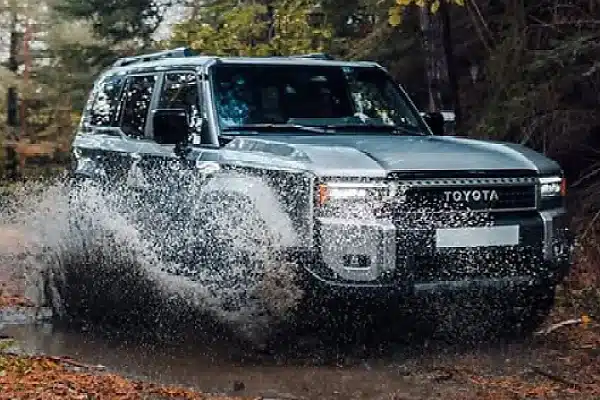
Today’s cars are heavier than their predecessors, even if they don’t look dramatically bigger from the outside. There are many reasons for this – safety equipment, larger bodies, additional soundproofing, more complex electronics, hybrid systems and batteries.
This is not just an interesting technical fact. The greater mass directly affects fuel consumption, tire and brake wear, driving behavior, and the energy released in a collision, writes tportal.
Safer, but also heavier
Modern cars must meet increasingly stringent safety standards. More airbags, stronger body structures, radars, cameras, sensors and additional electronics add weight. In hybrid and electric cars, batteries add even more weight.
Motor reports that many of today’s models are hundreds of pounds heavier than comparable cars from about twenty years ago. The driver may not feel the extra weight right away, but the car feels it every time it accelerates, brakes, or changes direction.
Tires and brakes pay the price first
More mass means that tires have to carry more weight and brakes have to stop more pounds. That’s why heavier cars can wear out the very parts that owners regularly replace.
This is particularly true for powerful SUVs and electric models. Although electric cars can use less fuel than conventional brakes in everyday driving thanks to regenerative braking, the large mass still remains a factor in the tires, suspension system, and overall vehicle dynamics.
More weight can also increase energy consumption. For a classic car, this means more fuel, and for an electric car, less range, especially in situations with a lot of acceleration.
The trend is hard to stop quickly
Manufacturers are trying to use aluminum, composites, and other lighter materials, but at the same time, customers are demanding more equipment, larger screens, more powerful engines, and more spacious cars.
The result is a paradox: cars are becoming more technologically advanced and safer but also increasingly heavier.
For the driver, this means that weight is no longer just a number on the vehicle registration document. It affects what he pays for in fuel, electricity, tires, brakes, and maintenance.


-
See More: The EU Is Planning A Fresh Driver Crackdown: Fuel Tanks In New Cars Might Get Even Smaller





-
 News5 days ago
Toyota Recalls Over 200,000 Sienna Minivans Due To Defective Second-Row Seatbacks
-

 News5 days ago
Porsche Says It Has No Plans To Manufacture Cars In The US
-
 News1 week ago
GM Still Remains U.S. Full-Size Pickup Truck Market King While The Ford F-Series Remains Best-Selling
-

 News5 days ago
Bugatti Doesn’t Rule Out A Manual Transmission Tourbillon
-
 News1 week ago
Tesla To Start Selling The Cybercab Later This Year
-
 News1 week ago
Mate Rimac Personally Delivers First-Ever ‘Tiffany Edition’ Nevera R To Customer
-

 News1 week ago
North Korean Leader Crosses New China Border Bridge In Armoured Mercedes-Maybach Limousine
-

 Car Theft1 week ago
Stolen $200,000 Mercedes-Benz G-Class Bound For Nigeria Found Inside Texas Shipping Container

