
News
By 2035, BMW Wants To Significantly Reduce Its Emissions


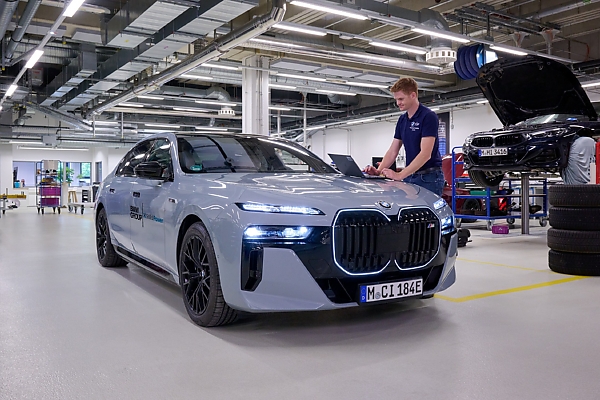
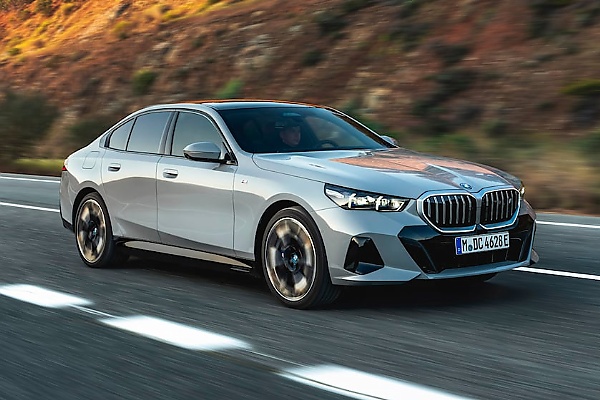
The BMW Group has set a new milestone for 2035 in reducing CO₂ emissions on the path to net zero emissions. The company plans to reduce its CO₂ emissions by at least 60 million metric tons from 2019 levels, an additional reduction of around 20 million tons from the existing 2030 target.
So far, the goal has been to reduce at least 40 million metric tons of CO₂ over the entire life cycle by 2030 compared to 2019. The new milestone of 2035 is the logical next step toward advanced decarbonization.
The key to achieving these goals is the use of renewable energy sources, increased use of secondary raw materials, improvement of efficiency in the use phase, as well as innovations in products and processes.
BMW announces that an increasing part of the fleet will be electric vehicles, as well as introducing innovations in products and processes, including the sixth generation of battery technology (Gen6).
— Global customer demand for electric vehicles alone will not be sufficient to achieve the CO₂ reduction targets set for 2030 and 2035. That is why a comprehensive approach to CO₂ reduction applies to the entire life cycle of the vehicle, regardless of the type of drive, BMW announced.
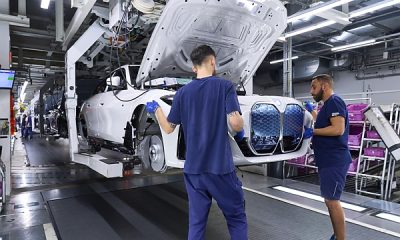
As of 2020, the company procures all electricity from external sources for all factories worldwide exclusively from renewable sources. They are also continuously working on the replacement of fossil fuels, so the new factory in Hungary is the first BMW factory that regularly produces vehicles without the use of fossil fuels, such as oil and gas.
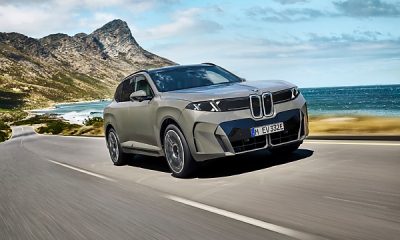
In order to reduce CO₂ emissions during vehicle use, the BMW Group implements additional efficiency measures through the BMW EfficientDynamics program and accelerated electrification of its fleet. Efficiency is improved in all vehicle subsystems—from powertrain and aerodynamics to tires—regardless of drivetrain type. An example of this is the new BMW iX3, which consumes up to 20 percent less energy compared to the previous model.
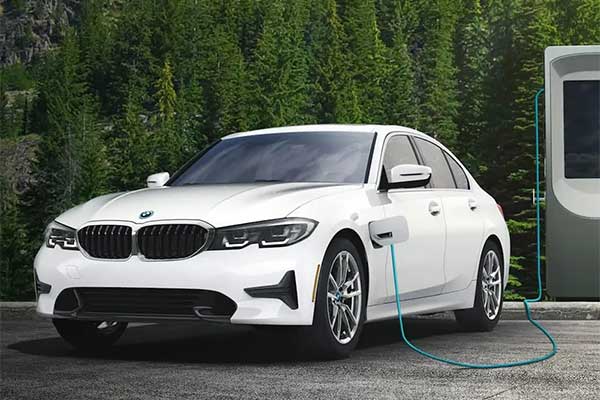
Achieving the new climate goals also depends on external factors, such as the production of steel with lower emissions, the expansion of charging infrastructure, the advancement of the circular economy, and the development of battery cell technology. That is why the BMW Group invests in strategic initiatives, including strengthening its own capacities in battery cell centers and circular economy projects.










-

 Celebrities Auto5 days ago
Billionaire Gifts Popular Bishop 2026 Rolls-Royce Cullinan And Over ₦370 Million Cash For Fuel
-
 News1 week ago
MOTOMORPHOSIS: MSCHF Transforms Lexus RZ 450e and RX 450h+ Into Bizarre Car Sculptures
-
 News6 days ago
Rare Bugatti Veyron 16.4 Grand Sport Vitesse ‘Jean-Pierre Wimille’ Sells For Record $5.44M
-

 Celebrities Auto1 week ago
Kylian Mbappé, Real Madrid Stars Spotted Arriving For Training In BMW Cars — See Their Models
-
 Latest Cars1 week ago
Bentley Unveils 2027 Torcal, Its First-Ever Electric Car With 888-hp, 600-Km Range
-

 News6 days ago
Top Luxury Car Brands 2026: Porsche Leads Brand Finance Ranking For 9th Consecutive Year
-
 Autoshows & Awards1 week ago
Mercedes-Benz GLC, China’s Xpeng X9 Lead Winners Of 2027 German Car Of The Year Awards
-
 News1 week ago
Toyota Is Preparing It’s First Ever Extended-Range EV For The Chinese Market


