
News
Chinese Car Sales Gets Significant Boost In Europe

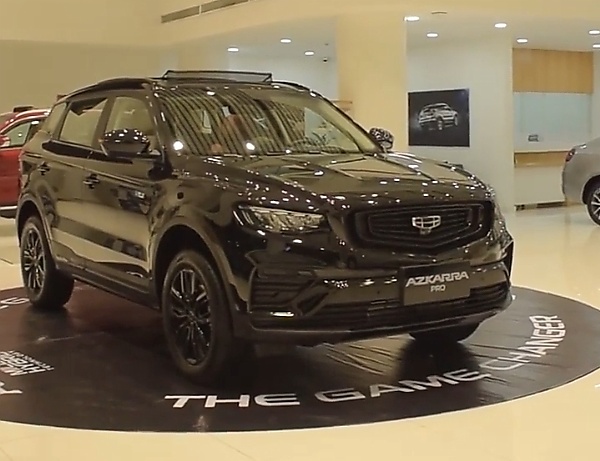
Chinese brands are no longer exotic in Europe. Statistics for 2025 show that their breakthrough is turning into a serious market shift. According to Dataforce data reported by Reuters, 621,920 Chinese cars were sold in Europe by the end of October, which represents a growth of as much as 93 percent compared to last year.
This means that the share of Chinese manufacturers jumps from the previous 3 to 5.6 percent of the market in the area that includes the EU, the United Kingdom, Norway, Iceland, and Switzerland.
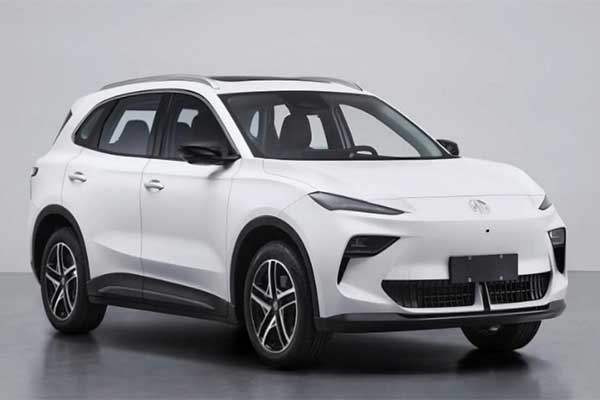
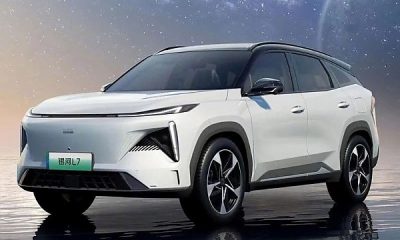
The absolute winner is MG, which delivered more than 250,000 vehicles from January to October, thus solidifying its status as the best-selling Chinese brand in Europe. BYD follows with more than 137,000 cars sold, while Chery (86,000) and Geely (53,000) follow behind.
The data confirms what has been felt in practice for months: that Chinese manufacturers are taking over the space that European brands have difficulty defending, primarily thanks to aggressive prices, rich equipment, and increasingly high-quality cars. MG has thus become a kind of “popular hit” in several countries, while BYD continues to expand its portfolio and enter segments in which European models have difficulty competing.
Chinese manufacturers are growing strongly in some European countries this year, but results vary dramatically from market to market. The fastest pace is being recorded in Spain, where MG and BYD are breaking records and entering the top-selling electric models, and the United Kingdom, where MG is already established as a serious top-10 brand. Strong momentum is also seen in Italy, especially in the more affordable SUV segment, while France continues to resist Chinese brands, although MG is gradually winning over customers thanks to aggressive pricing.
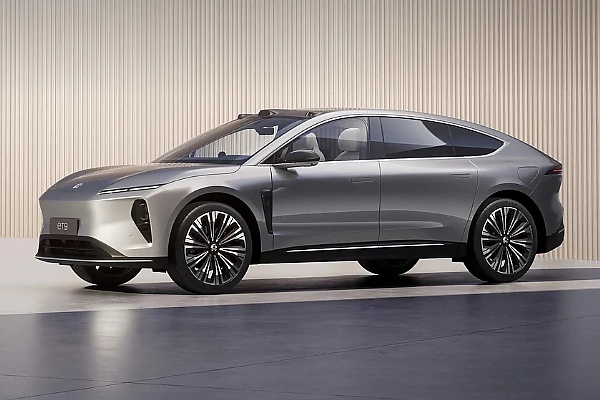
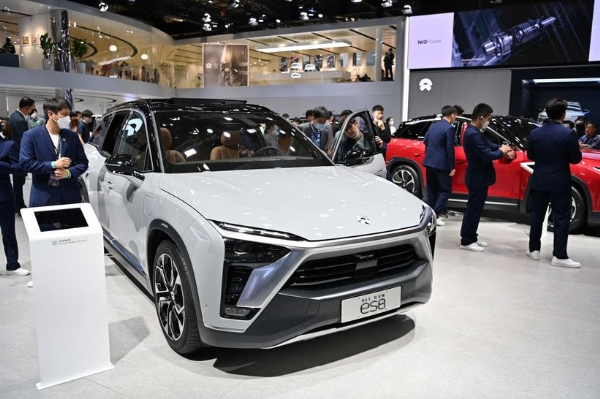
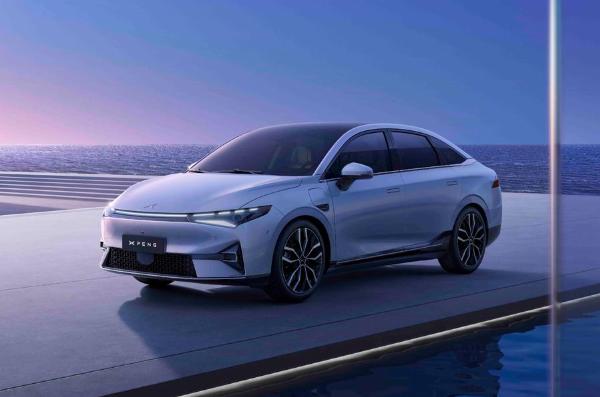
Norway, a market with almost 100 percent electric car share, is showing saturation. Chinese brands are stagnating or declining due to strong competition from European brands and Hyundai. In Germany, Europe’s largest market, growth is surprisingly weak, as buyers remain loyal to domestic brands, and the disappearance of subsidies has further slowed sales of BYD, Nio, and Xpeng. The Netherlands, one of the most interesting countries for the EV market, also lags behind the European average.
Overall, Chinese brands in Europe are growing almost double, but the picture is far from uniform, from markets bursting at the seams with demand to those that remain almost unconquerable.








-

 Celebrities Auto1 week ago
Is OGB Recent’s “Mansory Lamborghini Urus” Genuine? Auto Spotters Raise Questions
-
 News1 week ago
Mercedes-Benz Recalls Over 30,000 S-Class Sedans
-

 Car Theft7 days ago
Man Flees With Stolen Tundra During Test-Drive, Crashes Into Lagos Canal After Damaging Dozens Of Vehicles
-

 Celebrities Auto6 days ago
Lionel Messi Just Ordered Sunreef’s ULTIMA 88 Luxury Yacht, Worth Up To $10.7 Million
-
 News7 days ago
The Toyota Mirai Is Turning Out To Be The Worst Resale Value Car The Company Has Ever Made
-
 News1 week ago
The New Electric Jaguar Type 01 Has Reportedly Received 50,000 Orders
-
 News1 week ago
The Next-Gen Audi A8 And Porsche Panamera May Share The Same Platform
-
 News7 days ago
BMW Considers New Flagship SUV To Sit Above The X7, Specifically For US Market