
News
China To help Japanese Brands Preserve Their European Future

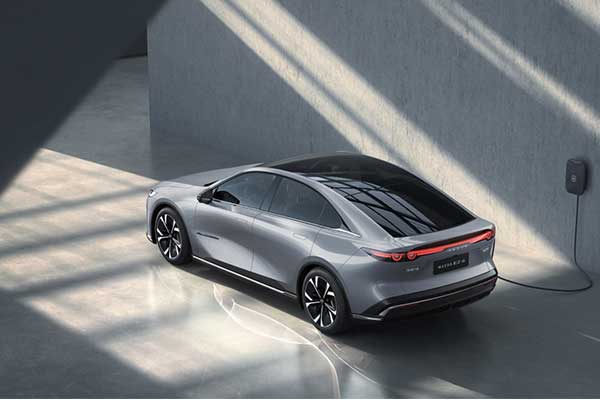
Japanese brands are losing influence in the electric car market to their Chinese rivals. To meet European emissions regulations, they are now partnering with Chinese companies, reflecting the current state of the automotive industry in Europe.
If a brand exceeds the average CO₂ emission targets for 2025, 2026, and 2027, it will be fined €95 for each gram over the limit, potentially resulting in millions of euros in penalties based on total sales.
The European Commission’s regulations allow for the “sharing” of emissions, known as pooling carbon credits. This means that brands unable to meet their average CO2 emission targets can collaborate with another brand. By doing so, they can purchase these credits at a significantly lower cost than the fines they would incur for non-compliance.
However, Japanese brands are starting to take steps to protect themselves, given the still weak demand for electric vehicles. And that’s what Japanese brands like Nissan and Mazda are already doing, according to the EU document. As the end of 2025 approaches, they must reduce their average emissions as much as possible.
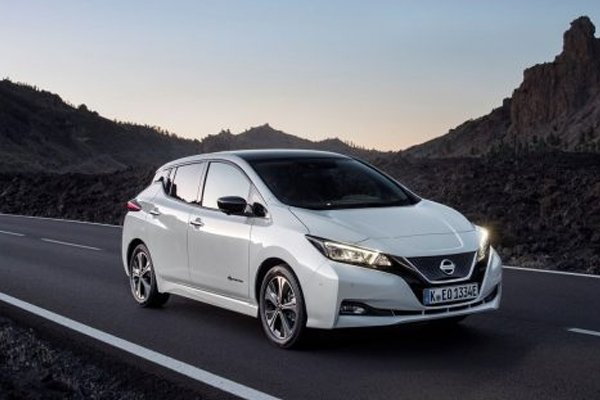
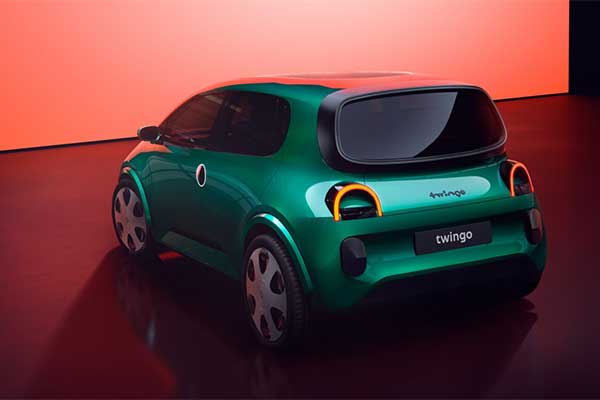
Nissan partners with Dongfeng and BYD, a leader in electric vehicles, to refresh its electric lineup. Recently, they launched the new Micra and LEAF, and soon, an electric Juke and a city car based on the Renault Twingo will follow.
Sales of electric vehicles so far have not been enough to inspire optimism, so the brand is taking other measures to reduce overall CO₂ emissions in case their efforts fall short of their stated goals.
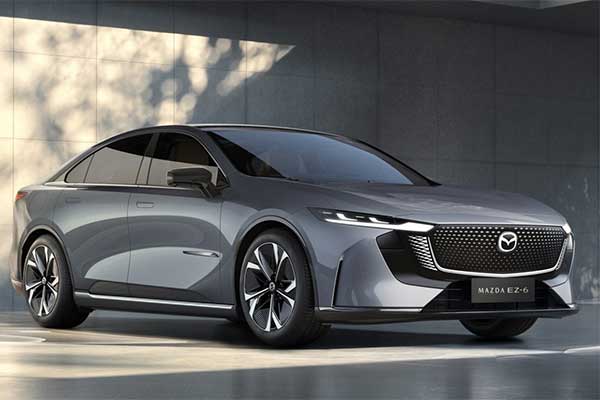
Mazda, previously collaborating with Tesla, is now focusing on its joint brand with Changan in China. The company is launching its electric vehicle lineup, including the Mazda 6e and CX-6e, making this partnership a strategic move.
The situation is complex and once again highlights the reality of a paradigm shift in the global market, especially here in Europe. Japanese brands have long been synonymous with efficiency and technological leadership. However, now the Chinese have reached that level.
However, the shift to electric vehicles has changed the global balance. Those who once set the course for the industry (think Nissan with the pioneering LEAF) are now forced to turn to their Chinese rivals, the new masters of the electric landscape, to share carbon credits and avoid multimillion-dollar fines.
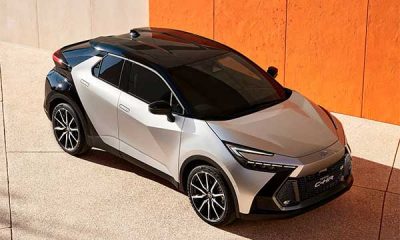
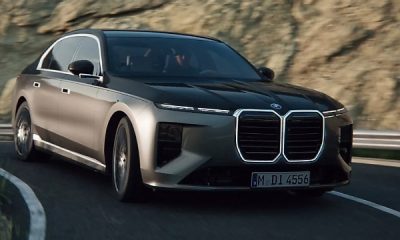
A symbolic image of how the global playing field in the auto industry has shifted to Asia. Japan is no longer dictating the rules but following them, and Chinese manufacturers are taking the lead in the new automotive trends we will see here in Europe in the coming years.







-

 Celebrities Auto7 days ago
Is OGB Recent’s “Mansory Lamborghini Urus” Genuine? Auto Spotters Raise Questions
-

 Auto Fun1 week ago
Cadillac F1 Driver Bottas Swaps Short Flight For Epic 420km Bike Ride From Malaysia To Singapore
-
 Car Comparison1 week ago
3-minute Battery Swap Or 5-minute Charging? China’s EV Drivers Face A New Choice
-
 Latest Cars1 week ago
All-New 2027 Hyundai Tucson Unveiled With Bolder Design, Hybrid Power And New Tech
-

 News1 week ago
F1: Verstappen Takes First Win In Singapore, Antonelli One Step Closer To Title
-

 News1 week ago
Amalgamated Megacity Transport Services Launches In Lagos With 50 CNG-Powered Buses
-
 News6 days ago
Mercedes-Benz Recalls Over 30,000 S-Class Sedans
-
 News1 week ago
Porsche Delivers 178,532 Cars Worldwide In First Nine Months As Global Sales Fall 16%