
News
Ford Is Using A Japanese Management Technique To Create Better Automobiles

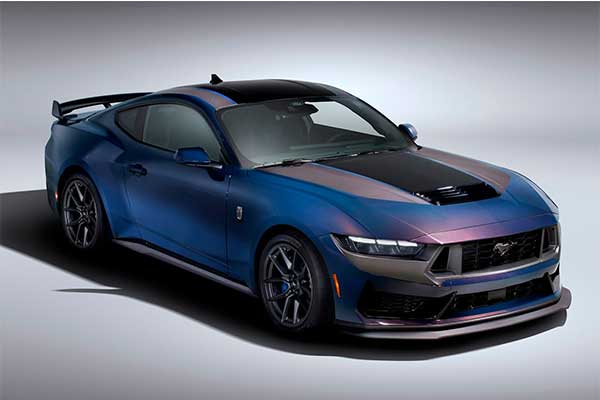
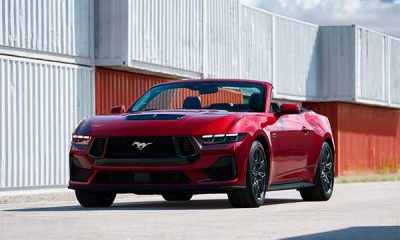
Todd Willing, Ford’s Design Chief drove a Mustang Dark Horse prototype 3,200 miles to practice “Gemba”, a strategy championed by CEO Jim Farley that prioritizes real-world testing over virtual simulations.
Ford’s hands-on “Gemba” strategy, where executives like design chief Todd Willing test vehicles in real-world conditions, is driving improved 2026 model appeal. By shifting away from reliance on virtual simulations to cross-country road testing, designers are gathering actionable data on interior ergonomics and usability. This immersive approach ensures that future designs prioritize actual driver experience over purely theoretical engineering metrics.
During this journey, Ford leadership conducted unannounced visits to local dealerships in Colorado and Nevada to gather grassroots intelligence. Conversations with frontline sales teams revealed that performance-oriented customers prioritize emotional connection over raw horsepower statistics. This direct feedback reinforces the automaker’s strategic focus on integrating nostalgic design elements, successfully blending heritage aesthetics with modern performance to sustain brand loyalty.
Ford is now extending this immersive engineering philosophy across its entire product portfolio. Regional engineering teams are currently prioritizing the development of future midsize pickups, ensuring that vehicles designed for international markets are rigorously tested to meet the demanding requirements of local tradespeople. By evaluating these upcoming trucks in their intended operating environments, Ford ensures that its global products maintain critical regional relevance.
The automotive industry has become overly reliant on virtual reality and laboratory simulations, which frequently fail to capture the nuanced complexities of real-world driving. While Ford leverages artificial intelligence in the development of next-generation engines, computer models cannot replicate the physical fatigue of long-distance travel or the practical challenges of interior ergonomics, such as dashboard glare. By requiring executives to operate the vehicles they approve, Ford successfully bridges the gap between theoretical engineering and actual user experience.
This proactive strategy demonstrates a profound commitment to producing vehicles that function as practical tools rather than mere engineering exercises. When leadership transitions from the boardroom to the road, they gain an unfiltered perspective on brand performance. Should Ford continue to prioritize authentic driver experiences over cost-cutting laboratory shortcuts, it is well-positioned to maintain its positive trajectory in both market share and customer loyalty.








-
 News1 week ago
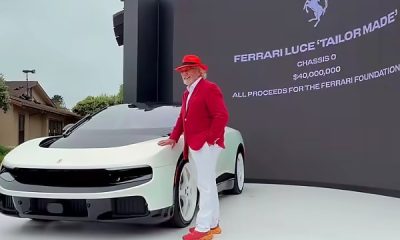
Ferrari Luce Sells Out For 2027 As Demand For $560,800 Electric Car Set To Grow
-

 News6 days ago
Hyundai Recalls 38,000 Kona Electric And Veloster N Vehicles
-
 News6 days ago
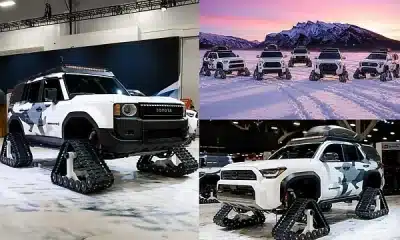
Toyota Showcases Tundra, Tacoma, 4Runner, Prado And Sequoia With Tank Tracks At SEMA 2026
-
 News6 days ago
Ferrari Now Worth More Than Renault, Volkswagen And Stellantis Combined
-
 News7 days ago
Ferrari Reports €1.9bn Q3 Revenue, Ships 3,368 Cars As Purosangue, 296 Speciale And Amalfi Deliveries Increase
-

 News1 week ago
Tesla May Soon Begin Accepting Orders For Its Humanoid Robot
-

 News6 days ago
BYD’s Yangwang U9 Xtreme Smashes 500km/h Barrier, Sets New 503km/h Production Car Record
-
 News1 week ago
BYD’s $3 Million, 3,000-HP Yangwang U9 Xtreme Crashes During High-Speed Test In China


