
News
Voice Commands In 40 Cars Were Tested By ADAC: Button Substitution Frequently Doesn’t Function As Planned


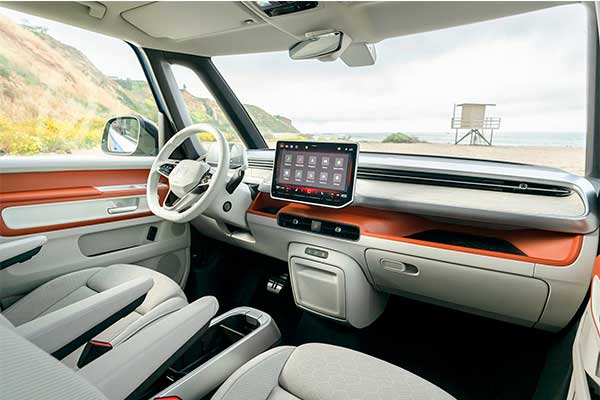
Automakers have removed dozens of physical buttons from cabins in recent years and moved their functions to large touchscreens. Critics that such control is slower and more dangerous often try to dismiss it with the simple argument that “you can control the car with your voice.” ADAC’s new major test shows just how shaky that defense really is. 40 current cars were tested, and only 16 received an overall rating of “good.”
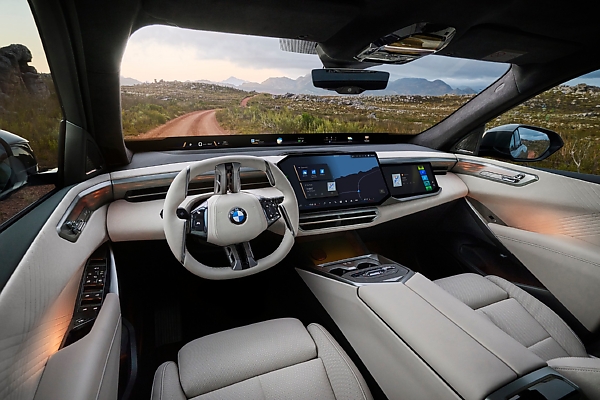
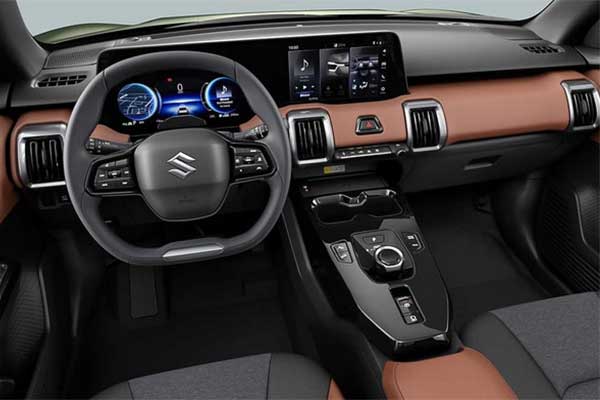
Each car had to carry out 18 commands from three fields: infotainment, air conditioning, and visibility and driver assistance systems. The best was the BMW 5 Series, which successfully completed 16 out of 18 tasks. At the other end of the scale, the Suzuki e Vitara only understood three commands, while the Dacia Duster and Jogger failed the test because the voice control button in them actually only controls the connected mobile, not the car’s functions.
And here we come to the absurdity of the modern automobile industry. A function that ten years ago required a single press of a clearly marked button is now often two or three menus deep on the screen, and manufacturers then offer voice control as a solution to a problem of their own making.
With infotainment, it really makes sense. Of the 40 cars, 35 received a good or very good rating for commands such as entering an address, selecting a radio station, or calling a contact. There, speaking is often faster than typing on the screen. In the case of air conditioning, the result is already weaker: only 26 models received at least a “good” rating.
The worst situation is where simple handling is the driver’s greatest need. In the category of lights, wipers, and assistance systems, as many as 32 out of 40 cars were rated “inadequate.” Only four cars could use the voice piece to turn on the dipped or rear fog lights, two could activate the windshield wipers, and none could turn on all four turn signals.
That makes it pretty clear why a voice assistant can’t be a replacement for physical commands. In an emergency, the driver does not need to talk to the car or wait for the system to understand a sentence or rephrase a piece. A key that can be found without looking is required.
The problem is not just reliability. Voice control depends on language, cabin noise, accent, and how the manufacturer intended a particular command. Even when the system is working perfectly, saying “reduce the temperature to 20 degrees” is certainly more laborious and complicated than turning the regulator for half a second.
ADAC therefore comes to a very reasonable conclusion: voice control is a great addition to more complex infotainment functions, but it cannot replace good physical controls. And this is precisely where manufacturers have been going in the wrong direction in recent years. Technology should simplify driving. If you need to talk to a computer to turn on a basic function because someone removed the key for design or cost savings, that’s not progress. It’s a complicated solution to a problem that didn’t exist before.










-

 News1 week ago
OMODA & JAECOO Strengthen European Presence, Record 73,421 Global Sales
-

 News1 week ago
Tesla Unveils Flying Roadster With SpaceX Thrusters, Claims 0–60 MPH In Under One Second
-

 Latest Cars1 week ago
Mercedes-AMG Unveils All-new GT, A 1,169-hp Electric SUV With Sports Car DNA
-

 Celebrities Auto1 week ago
Dubai Police Adds Lamborghini Temerario To Luxury Patrol Fleet, A Month After Mansory Ferrari 812 Superfast
-
 News1 week ago
BMW Group Delivers 1.7 Million BMW, MINI And Rolls-Royce Cars In 9 Months, Down 4.9%
-

 Latest Cars1 week ago
Photos : All-new 2027 Mercedes-AMG GT 63 SUV
-

 News4 days ago
The 2027 Hyundai Tucson Base Model Has Impressive Standard Equipment
-

 Celebrities Auto1 week ago
LeBron James’ Bespoke Mercedes-Maybach S-Class To Be Auctioned For Charity