
News
Volvo Forced To Reduce The Power Of Its PHEV To Meet Euro 7 Emissions

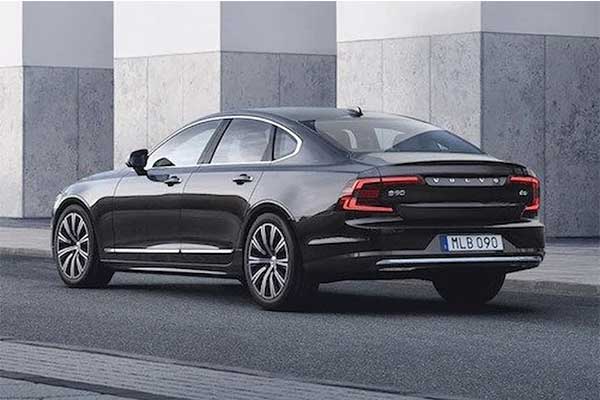
In order to meet the strict new Euro 7 emission requirements, Volvo Cars is forced to reduce the power of its plug-in hybrids, i.e., gasoline engines in the systems. Engines will be weaker and more efficient with the Miller cycle; more powerful electric motors will compensate for this.
From November 2026, EU emission standards will be further tightened with the introduction of Euro 7. For car manufacturers, this means that the emissions of internal combustion engines will (have to) be kept to a minimum. Volvo is renewing the four-cylinder petrol engines in the T6 and T8 plug-in hybrids for the XC60, XC90, and V60 for the 2027 model year.
The result is slightly lower fuel consumption, but also a noticeable loss of gasoline engine power. T8 lost the most power. Before, it delivered a total power of as much as 455 hp. The new version loses 49 hp and stops at 406 hp. The petrol engine previously produced 310 PS and 400 Nm, but after the change, it has now dropped to 250 PS and 360 Nm of torque.
The gasoline engine in the best-selling Volvo XC60 T6 plug-in hybrid loses 64 hp. Volvo compensates for this with stronger electric motors, and the power of the system is reduced by only 15 HP, reports Autoweek. The gain is in consumption: the average consumption for both models drops to around 2.7–3.5 liters per 100 km, which is a noticeable improvement over the previous models.
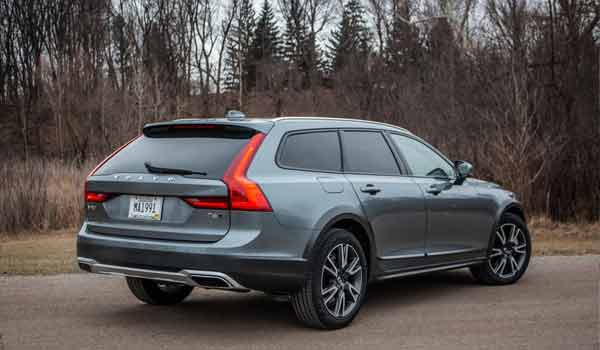
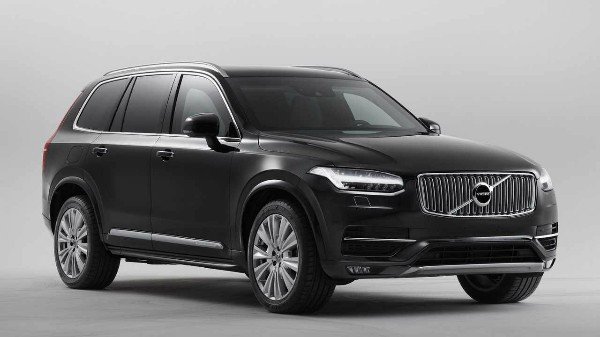
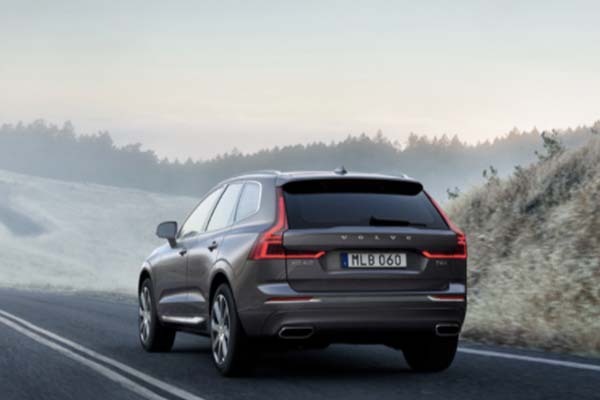
-
Read More: Volvo No Longer Sells Wagons In The US












-
 Celebrities Auto6 days ago
Zimbabwe President’s Latest Ride Is Armored Rolls-Royce Cullinan, Joins Maybach S-Class Sedan And SUV
-

 News1 week ago
Putin Test-Drives Chinese-Designed Volga K50 Built At Former Volkswagen Plant
-

 Car Theft1 week ago
Oyo Police Bust Trans-National Car Theft Syndicate, Recover Stolen Lexus RX 350
-

 Celebrities Auto6 days ago
Why Burkina Faso’s President Traoré Rejects Luxury SUVs For 2011 Toyota ‘Buffalo’ As Official Car
-

 News1 week ago
₦5.6 Billion ($3.5M) G-Stallion: Carlex Unveils One-Off G-Wagon With Horse-Inspired Roof Artwork
-

 News6 days ago
₦1.3 Billion Armored Rezvani Vengeance Lands In Nigeria Amid Insecurity, 2027 Elections
-

 News5 days ago
CR7’s $40M Car Collection, Lamborghini Revuelto SV, Xiaomi SkyNomad Series, Genesis GV90, News In August
-

 Autoshows & Awards1 week ago
$5M Car With No Roof? Handlers Rush To Save Bugatti W16 Mistral Interior During Heavy Rain