
News
Seems Mercedes Will Keep The A-Class Name But In Another Form

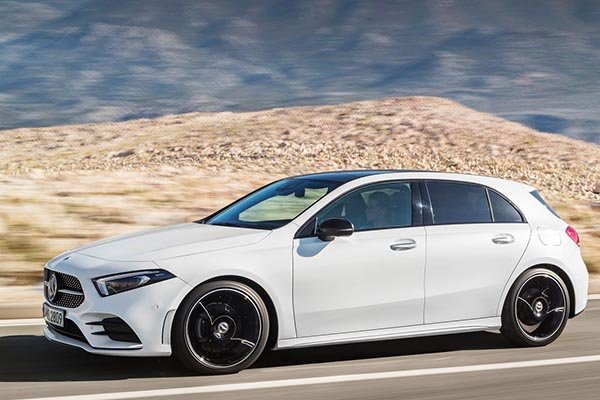
It looks like the Mercedes A-Class will remain available on the market for the foreseeable future, just not in its current form.
Despite initial speculation that the model will be discontinued as the German brand tries to consolidate its offering, a replacement for the existing model could very well arrive, but only with an electric drive.
Although the plans have not yet been announced, Auto Express magazine gathered information in an interview with design director Robert Lesnik that the new hatchback will likely arrive at the end of the decade as an electric vehicle.
Current expectations suggest that the next-generation model could debut around 2029, after the existing A-Class ends its extended production run, which is expected to last until 2028.
In order to meet the needs of the next-generation A-Class, Mercedes intends to move production of the current model to a factory in Hungary next year. Lešnik confirmed that the production line will not require significant changes to meet the specific requirements of the new MMA (Modular Mercedes Architecture) platform. Mercedes is focusing on expanding the versatility of the MMA platform to deliver next-generation EV technology, innovative design, and cost-effectiveness.
The MMA platform gives the company the flexibility to fit the same all-electric powertrain and hybrid unit as the CLA model, which underpins the next-generation A-Class. Mercedes developed this hybrid system to meet the strict Euro 7 emission standards, which will be implemented by 2027.
When Mercedes first unveiled its compact MMA lineup in 2023, it planned four models, including the CLA, CLA Shooting Brake, GLA, and GLB. Lešnik indicated that the electric A-Class will effectively become the fifth model in that family.
The German brand has determined that the somewhat confusing decision to separate its EV models under its own “EQ” brand is not the best way forward. Therefore, the A Class name will likely be retained instead of the EQA designation.
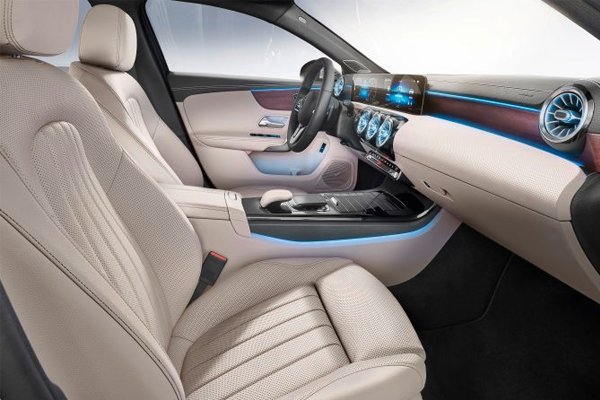
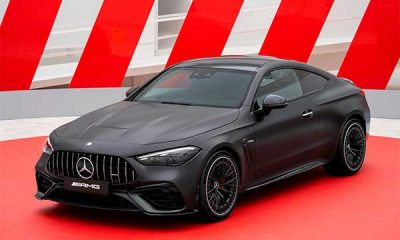
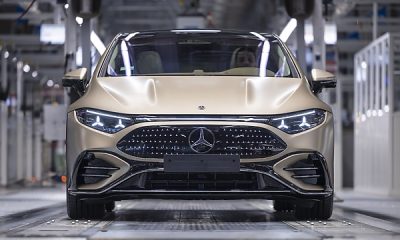
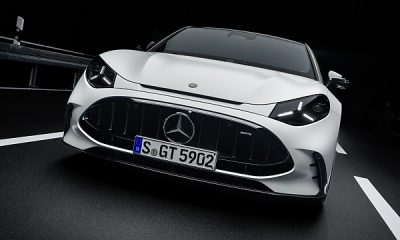
Lešnik also confirmed that the A-Class will remain elegant with a “cab-back” approach, as opposed to the original upright shape it adopted in the 1990s. The design is also expected to eschew the aerodynamic styling seen on models such as the EQE and EQS and instead follow the CLA’s proportions with a longer bonnet and more traditional hatchback profile.
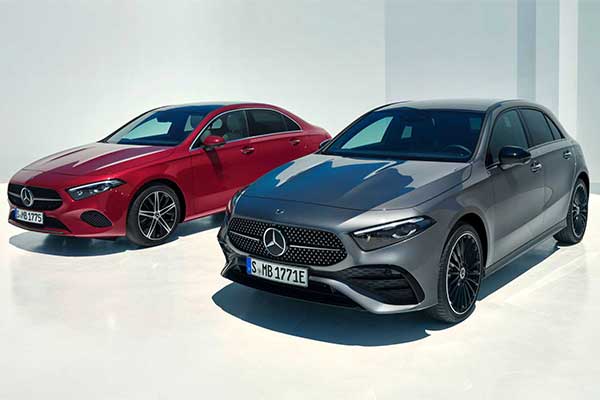
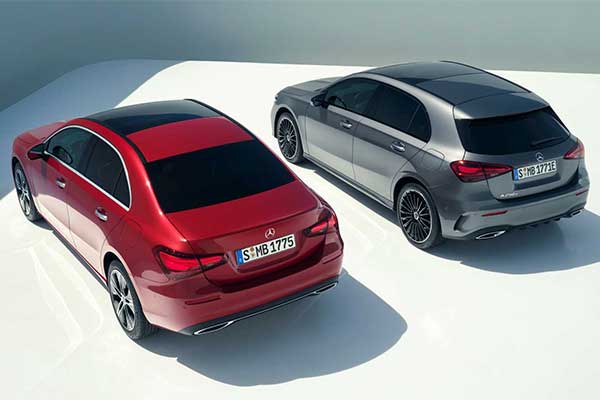
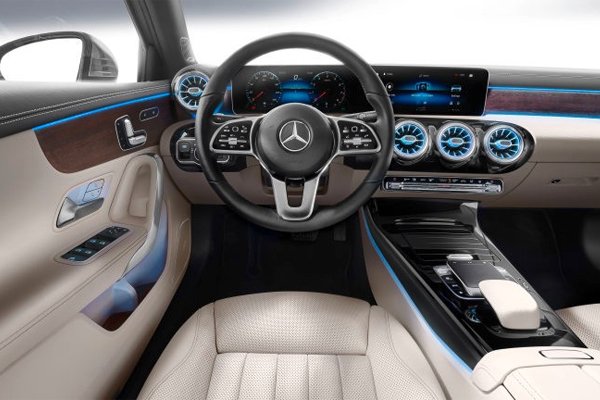







-

 Celebrities Auto1 week ago
Throwback: When KC Luxury Boasted Of Being The Only Person In The World To Own Two Rare Mercedes-Maybachs
-

 News7 days ago
Andrew Tate’s Lawyers Claim His Famous Bugatti And Aston Martin Are Rented
-

 Car Theft3 days ago
Oyo Police Bust Trans-National Car Theft Syndicate, Recover Stolen Lexus RX 350
-
 News4 days ago
1997 Cadillac DeVille d’Elegance: Why Dolly Parton Donated Her Favorite Car After 10 Years
-
 News1 week ago
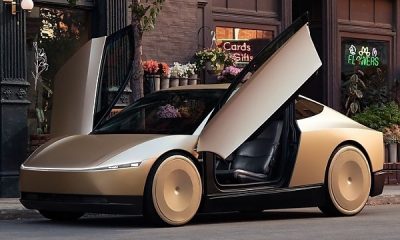
The Tesla Cybercab Has Begun Transporting Passengers In Austin Texas
-
 Celebrities Auto5 days ago
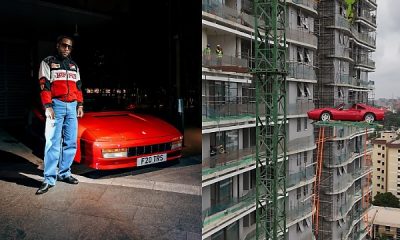
Burna Boy Lifts ₦1.6B Ferrari Testarossa Into His 26th Floor Penthouse
-

 News1 day ago
Putin Test-Drives Chinese-Designed Volga K50 Built At Former Volkswagen Plant
-

 News1 week ago
Innoson G80 SUV Steals The Show As Nigerian Army Garrison Commander Visits FCT Police