
News
German Automakers Request That Trump Refrain From Raising Tariffs

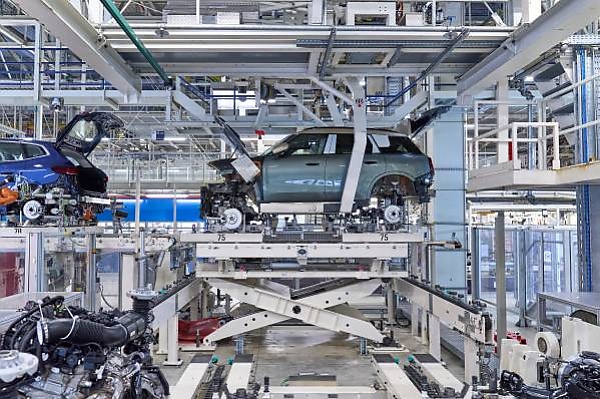
The German auto industry has called for an immediate de-escalation in the tariff dispute between the United States and the European Union and called for urgent talks between the two sides after President Donald Trump announced he would increase tariffs on European cars next week.
Donald Trump announced on social media on Friday that he was raising tariffs on cars and trucks from the EU to 25 percent, claiming that the European Union had not fully respected a trade deal agreed with the United States. Trump said that the tariffs would not apply to cars made in American factories, adding that it was “fully understood and agreed that if EU factories make cars and trucks in factories in the United States, there will be no tariffs”.
“The costs of these additional tariffs would be enormous for the German and European automotive industries in already very challenging times, but would also likely affect consumers in the US,” Hildegard Müller, president of the VDA lobby group, said in a statement today, adding that the new duties would also pose new, serious pressure on transatlantic relations, Bloomberg reports.
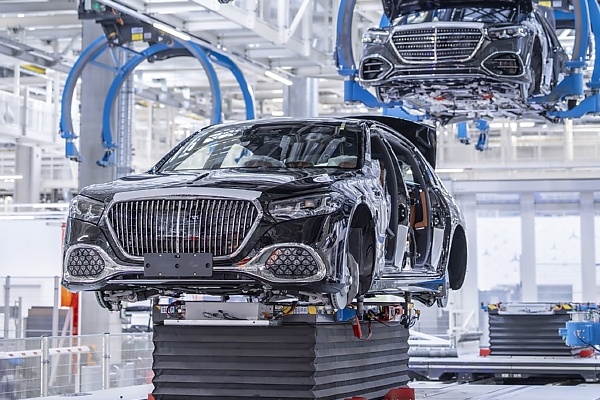
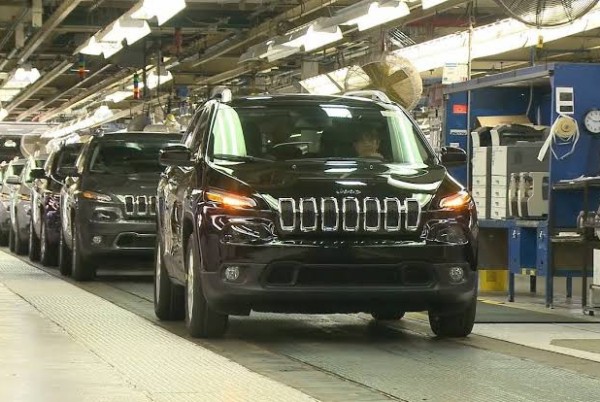
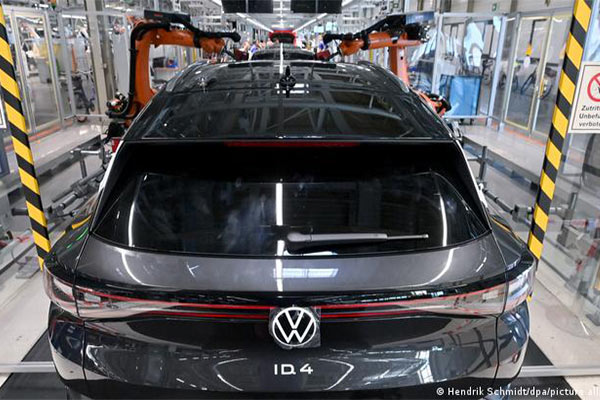
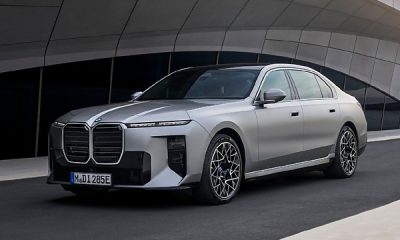
For the EU auto industry, Trump’s decision introduces new instability as companies are still adjusting to the US president’s shifting trade policies of the past year that have significantly increased costs and reduced profits for automakers and their suppliers. Trump has pressured automakers to expand their manufacturing operations in the US by imposing tariffs on vehicles and parts crossing the border, even from countries with which they have previously had trade agreements, Bloomberg added. Several major European automakers have assembly plants in the US, including Volkswagen AG, Mercedes-Benz Group AG and BMW AG. Stellantis NV also has a significant presence in the US with factories that make Jeeps, Ram pickups, Dodge and other models.
“Trump’s latest announcement last Friday jeopardizes the progress already made in opening the EU market and the growth of the US auto industry. We call on the administration and the EU to honor the agreement reached last year and work together to quickly resolve the issue,” said Jennifer Safavian, president of Autos Drive America, an association representing automakers based outside the US.








-
 Celebrities Auto7 days ago
Burna Boy’s ₦9 Billion Bugatti Chiron VXX Special Edition Arrives Nigeria
-
 News1 week ago
Speed & Smoke: The Best Photos From The 2026 Goodwood Hill Climb
-
 News5 days ago
Bugatti Wars: Davido Flaunts $5 Million W16 Mistral, A Day After Burna Boy’s Chiron Arrived Nigeria
-
 Car Theft1 week ago
Suspect Arrested After Trying To Smuggle Stolen ₦184M Toyota Land Cruiser Out Of South Africa
-
 News3 days ago
The Mazda MX-5 (Miata) May Become An EV
-
 Celebrities Auto2 days ago
₦6B Worth of Supercars: Jeff Forex And Habby Forex Takes Delivery Of Their Lamborghini Aventador SVJs
-

 Auto Fun1 week ago
Camperghini: Colorado Man Converts Lamborghini Urus Into Mobile Home, Takes It Across 40 Countries
-
 News1 week ago
8.0-Liter W16: After Powering 8 Models In 21 Years, Bugatti’s Iconic Engine Retires