
Car Facts
Nobody Is Aware That European Cars Are Looking So Much Like Chinese Models

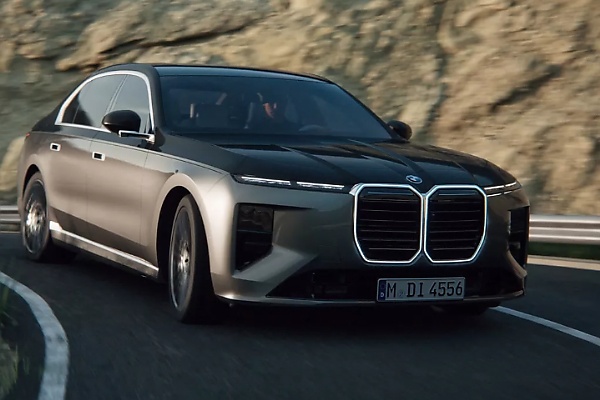
A few years ago, mocking Chinese cars was almost a mandatory part of every automotive discussion. They mocked their strange names, flashy designs, the abundance of LED lighting, blurry screens, and interiors that looked more like computers than cars. Chinese models often seemed like technological experiments without an identity, while European brands represented the “real” automotive industry, serious design, and engineering tradition.
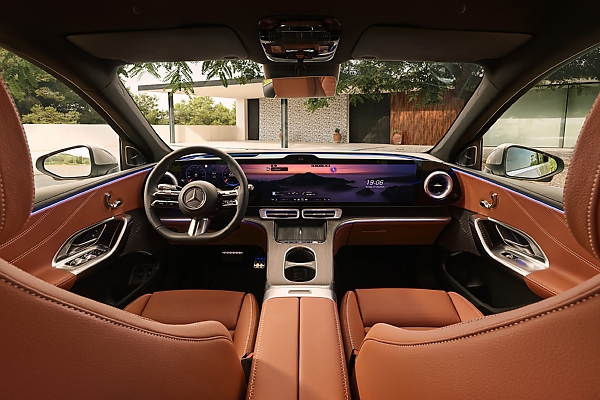
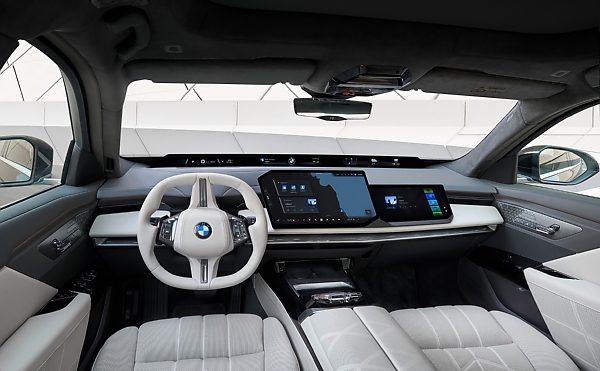
But something rather unpleasant is happening to European manufacturers today. When you sit in many of the new premium models from Europe, the sight is incredibly reminiscent of exactly what everyone laughed at about Chinese cars until recently. Giant screens covering the entire dashboard, animated ambient lighting in all colors, hidden menus for basic functions and interiors that look more like the space of a futuristic startup office than a classic car. At one point, it became clear that Chinese manufacturers are no longer the future that is yet to come. They have become the present, and Europe is trying to catch up with them.
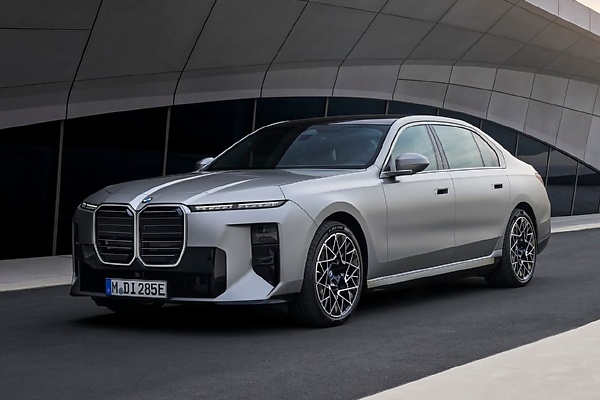
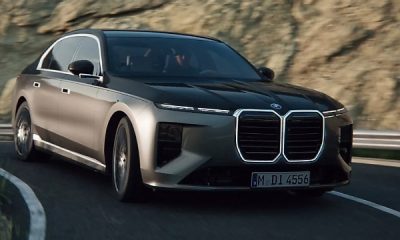
Just look at the latest models from brands like Mercedes-Benz or BMW. The new GLC with its striking light signatures and fully digitalized interior looks like a “screen advertisement”, while the interior of the new 7 Series has become almost a demonstration of technological maximalism.
The irony is that it was precisely because of this approach that many people ridiculed Chinese brands a few years ago. But the Chinese realized very early on something that European manufacturers had long ignored – for many buyers, a car is no longer just a driving machine. It has become a gadget. A large, connected, digital device on wheels. Many, especially younger, buyers want huge screens, voice assistants, massaging seats, karaoke systems, LED effects and the impression that they are driving something technologically advanced.
While Europe has long sold “engineering perfection”, China has sold the “wow effect.” And it turns out that the wow effect sells much better than stories about precise suspension or steering feel. This is the biggest change in the modern auto industry. Chinese manufacturers used to copy Europe, and today Europe is increasingly copying the Chinese idea of the car of the future. Even the way user interfaces, infotainment systems, and vehicle interiors are being developed increasingly resembles Chinese technological products.
At the same time, another interesting twist is taking place. While European brands are increasingly pushing extreme digitalisation and minimalism, with no physical buttons, some Chinese manufacturers are starting to return to simpler, more practical solutions. It’s as if they themselves have realized that the race in screens and LED “signatures” may have gone too far.
Modern cars today often resemble electronics stores more than classic cars. That’s why jokes about “Chinese tablets on wheels” don’t really work anymore, because the entire global auto industry has gone down that very path.








-
 Celebrities Auto6 days ago
Is OGB Recent’s “Mansory Lamborghini Urus” Genuine? Auto Spotters Raise Questions
-

 Auto Fun1 week ago
Cadillac F1 Driver Bottas Swaps Short Flight For Epic 420km Bike Ride From Malaysia To Singapore
-
 Car Comparison1 week ago
3-minute Battery Swap Or 5-minute Charging? China’s EV Drivers Face A New Choice
-
 Latest Cars1 week ago
All-New 2027 Hyundai Tucson Unveiled With Bolder Design, Hybrid Power And New Tech
-

 News1 week ago
F1: Verstappen Takes First Win In Singapore, Antonelli One Step Closer To Title
-

 News1 week ago
Amalgamated Megacity Transport Services Launches In Lagos With 50 CNG-Powered Buses
-
 News6 days ago
Mercedes-Benz Recalls Over 30,000 S-Class Sedans
-
 News1 week ago
Porsche Delivers 178,532 Cars Worldwide In First Nine Months As Global Sales Fall 16%