
News
In Germany, 75% Of Consumers Aren’t Even Interested In Considering Tesla

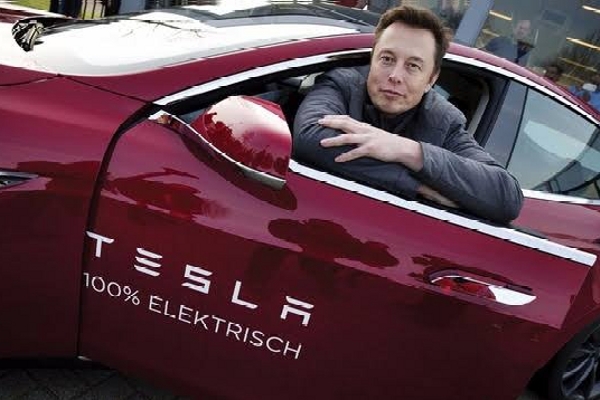
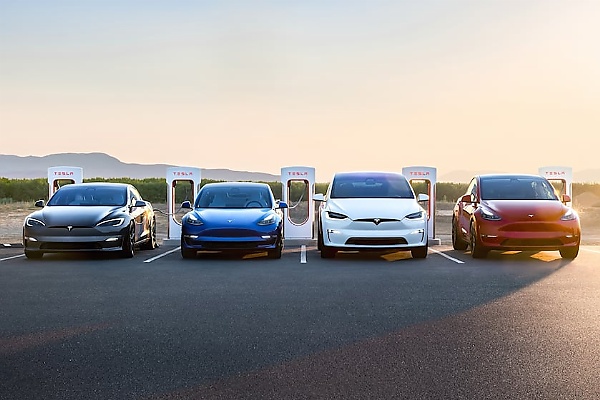
Germany is one of the most open European markets for electric cars, but new research shows that enthusiasm for electricity does not mean enthusiasm for all brands. On the contrary, Tesla is facing a serious image problem in Germany, with 75 percent of potential buyers saying they would probably or definitely not buy a Tesla car.
A survey by the German Economic Institute reveals that about 60 percent of respondents have written Tesla off completely, while an additional 16 percent say a purchase is “unlikely.” This is no longer a mild wavering but a clear signal of deep distrust, coinciding with Tesla’s 27 percent drop in sales in Europe last year.
Interestingly, the problem is not with electric cars as such. According to the same survey, interest in electric cars in Germany remains strong, especially when it comes to domestic brands. About one in five new cars sold in Germany is electric, and about 40 percent of those surveyed can imagine buying an electric car from a German manufacturer. In other words, Germans want electricity, but they increasingly want a Tesla.
Many see the key reason for the turnaround in the person at the top of the company. Researchers point out that Elon Musk’s political views have become a strong factor in the perception of the brand. His open support for the German far-right AfD party, closeness to Donald Trump, and statements related to American trade pressures and security issues in Europe are met with strong resistance from a large part of the German public.
As a result, buying an electric car in Germany is increasingly seen less as a purely technological or environmental decision and more as a question of identity and values. For example, among Green voters, who are traditionally inclined towards electric mobility, only one in ten respondents can imagine buying a Tesla. On the opposite political spectrum, among AfD supporters, interest in electric cars is low, which further reduces Tesla’s potential customer base.
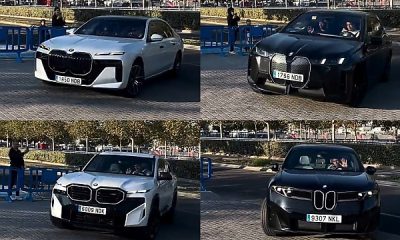
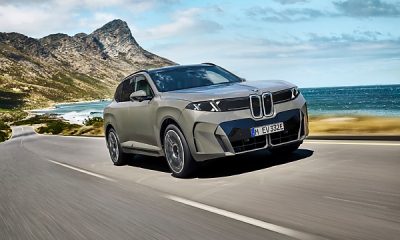
For domestic manufacturers, this seems like an unexpected opportunity. While Tesla is losing its luster, German brands are finding it easier to market their own electric models without competing with Tesla. For example, the new BMW iX3 is already seeing very strong demand and is practically sold out for this year.








-
 Celebrities Auto1 week ago
Most Expensive In Africa : Burna Boy Takes Delivery Of His ₦9B Bugatti Chiron VXX
-
 News1 week ago
Mercedes And Rheinmetall Unveil G-Class-Based Timber Wolf And Silver Wolf For British Army
-
 Celebrities Auto1 week ago
Today’s Photos: Burna Boy’s Bugatti Chiron VXX Journey From Dubai To Abuja And Lagos
-
 Celebrities Auto4 days ago
From ₦9B Bugatti Chiron To Porsche 911 GT3 RS, 12 Impressive Cars In Burna Boy’s Multi-Billion-Naira Car Collection
-
 Celebrities Auto6 days ago
Diamond-Encrusted Key For Burna Boy’s ₦9B Bugatti Chiron VXX Can Buy A Brand-New Car
-
 News1 week ago
Bugatti W16 Mistral: $16.3M World’s Fastest Open-Top Car Gets Paint Protection Film
-
 Celebrities Auto1 week ago
Inside Andrew Tate’s Bugatti Chiron With Custom “Tate” Headrests, Which He Claimed Was Rented
-
 News1 week ago
Mercedes-Benz Starts Production Of 657-km Range 2027 GLA Electric SUV