
News
Mercedes Is Continuing Its Covert Return To Buttons Rather Than Giving Up On Large Screens

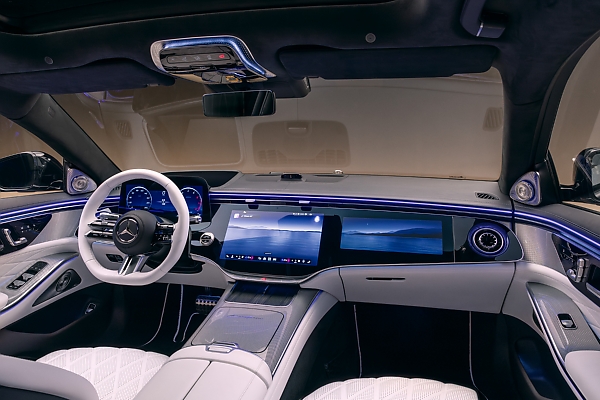
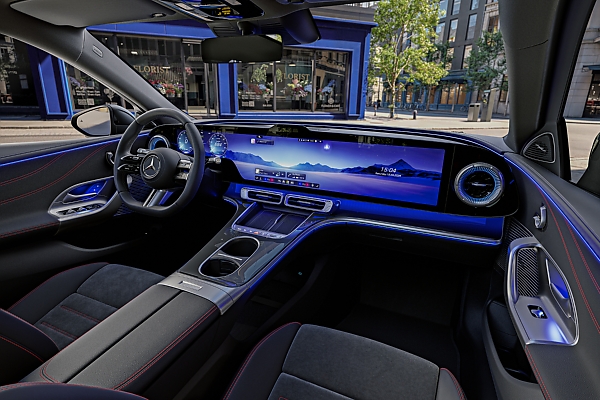
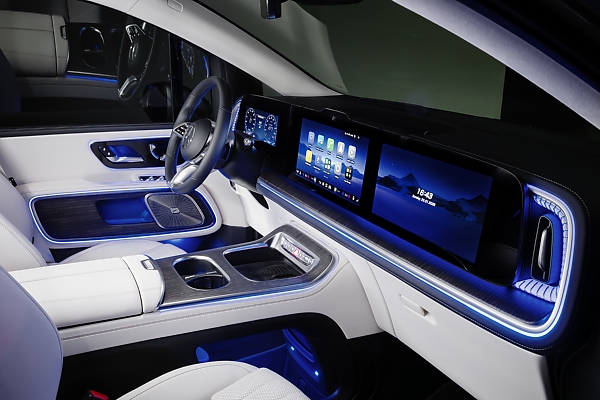
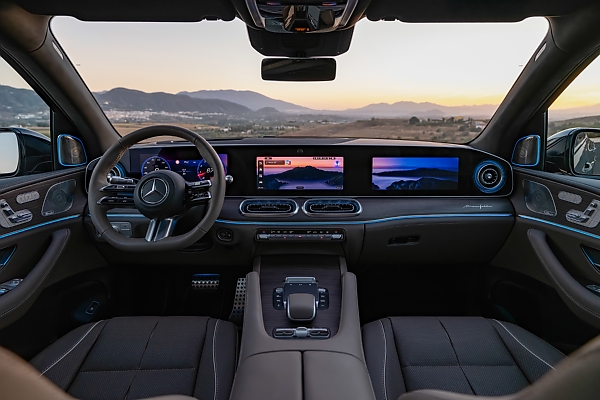
Mercedes continues to fully embrace its taste for large digital surfaces, as the presentation of the new C-Class confirmed, with an XXL screen that stretches across the entire width of the dashboard, which can also be found on the GLC.
Mathias Geisen, the brand’s sales manager, defends these screens as an extension of contemporary luxury. “We strongly believe in these screens,” he explains, comparing their place in the car’s interior to that of the smartphone in everyday life.
The executive also emphasized the personalization offered by these interfaces: wallpapers, personal photos, and visual moods would now contribute to the interior experience. The screen, therefore, is no longer just used to control functions but also contributes to the vehicle’s premium image, a particularly strategic consideration for a clientele receptive to technological displays.
A return of the buttons has already begun
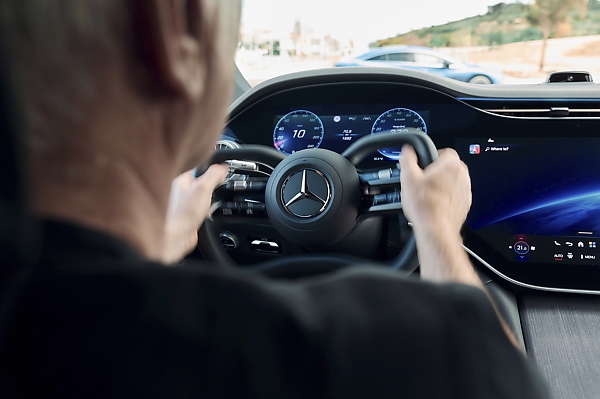
This defense of a fully digital approach doesn’t prevent Mercedes-Benz from correcting certain excesses. Mathias Geisen acknowledges that several customers have rejected some of the touch controls installed in recent years. “Customers told us two years ago: ‘Guys, the idea is good, but it just doesn’t work for us.'” The brand has since revised its approach, particularly regarding steering wheels, with more conventional controls.
Physical buttons for essential functions
The manufacturer has now announced its next steps. “On our future products, you’ll see more physical buttons for certain functions that customers want direct access to.” In other words, some dedicated controls will return for the most frequently used everyday functions, such as climate control, audio volume, defrosting, and other essential shortcuts. This return to the past isn’t unique to Mercedes.
Several automotive groups that have moved away from all-touchscreen interfaces are already reintroducing buttons, dials, and quick access controls. Understandably, a spectacular interface enhances the car’s appeal, especially when it’s stationary, but once you’re on the road, ergonomics quickly take precedence.
Mercedes is opting for a sort of middle ground today. Giant screens will remain a strong marker of modernity and prestige, but the physical button is gradually regaining its place. A subtle evolution that speaks volumes about the limitations reached by the first generation of all-touchscreen interiors.








-
 News5 days ago
Currently, China Has 129 Manufacturers Of Electric And Hybrid Vehicles; The Majority Will Fail
-

 News5 days ago
Hyundai Motor Workers Are On A 3-Day Warning Strike
-

 News5 days ago
Bidding For This Stripped 2024 Mercedes-AMG G63 With No Rear End Surpasses $18,000 On Copart
-
 News4 days ago
Lamborghini’s Next Model Will Be A Grand Tourer And Will Not Be Electric
-
 News4 days ago
Ferrari Is “Very Happy” With The Luce’s Reactions
-

 News6 days ago
Dubai Police Unveils 2nd-Gen AI-Powered ‘Ghiath’ Smart Patrol Based On Denza B8 Hybrid SUV
-
 News3 days ago
In America, Toyota’s EV Sales Have Surged By 136%
-

 News4 days ago
Lamborghini Sterrato To Cut Across Multiple Models