
News
GM And Nissan Are Speeding Up AI Designed Cars With Jobs Being On The Line

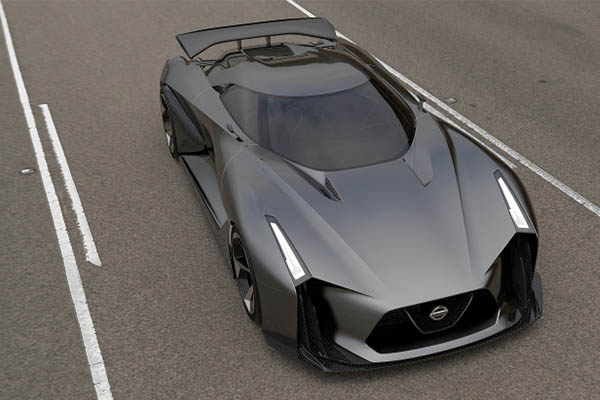
General Motors and Nissan are increasingly using artificial intelligence in design, aerodynamics and software development to shorten the multi-year process of creating new cars.
The automotive industry has been developing one model for five years at a time, so many cars that are just arriving on the market come from plans created as early as 2020 and 2021. Meanwhile, market conditions have changed, from weakening incentives for electric vehicles to new tariffs and trade restrictions, leaving manufacturers looking for faster ways to adapt.
At GM, AI is already being used in the early stages of design. Creative designer Dan Shapiro said that the process still starts with a human sketch and that AI serves to see the idea in a more finished form faster. As he stated, this is the purpose of sketches, and AI helps them see it earlier.
With the Vizcom tool, hand-drawn proposals can be turned into 3D models and animations in hours, instead of months of work by multiple teams.
GM is developing a so-called AI-powered virtual wind tunnel, which allows designers and engineers to assess air resistance almost instantly as they change vehicle surfaces. A similar approach is being developed by the Swiss company Neural Concept, whose simulation systems significantly shorten jobs that previously took hours.
Nissan, on the other hand, applies AI primarily to vehicle software development, especially for automating routine tasks like unit tests. The company’s Takashi Yoshizawa said the tools “improve both development speed and quality”.
Nissan’s goal is to develop a new car in 30 months.
However, with the increase in productivity, the question of employment also opens up. While companies argue that AI should relieve teams and not reduce the number of workers, some experts warn that such a large acceleration of the process could affect the number of jobs, especially in design studios.

-
Read More: General Motors Tells Suppliers To “Stop China”











-

 Celebrities Auto6 days ago
Is OGB Recent’s “Mansory Lamborghini Urus” Genuine? Auto Spotters Raise Questions
-

 Auto Fun1 week ago
Cadillac F1 Driver Bottas Swaps Short Flight For Epic 420km Bike Ride From Malaysia To Singapore
-
 Car Comparison1 week ago
3-minute Battery Swap Or 5-minute Charging? China’s EV Drivers Face A New Choice
-

 Latest Cars1 week ago
All-New 2027 Hyundai Tucson Unveiled With Bolder Design, Hybrid Power And New Tech
-

 News1 week ago
F1: Verstappen Takes First Win In Singapore, Antonelli One Step Closer To Title
-

 News1 week ago
Amalgamated Megacity Transport Services Launches In Lagos With 50 CNG-Powered Buses
-

 News6 days ago
Mercedes-Benz Recalls Over 30,000 S-Class Sedans
-

 News1 week ago
Porsche Delivers 178,532 Cars Worldwide In First Nine Months As Global Sales Fall 16%