
Car Facts
You Are Paying At The Used Lot For Eight Million Cars That Were Never Manufactured

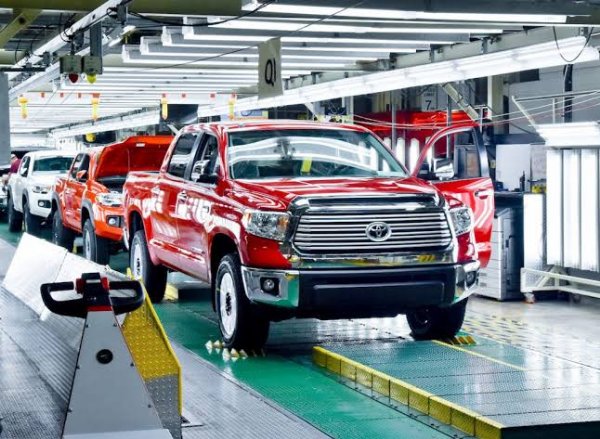
The US auto industry is still suffering from COVID-19 more than six years after it first appeared, and nowhere is this more evident than in the used car section. The problem stems from the fact that the supply of late-model used cars available now depends on what was manufactured years ago. The plants that went dark in 2020 and 2021 are now directly responsible for the scarcity that is affecting dealer lots. Nor is it likely that anything will change anytime soon.
During the COVID-19 years, almost 8 million fewer cars were produced for the US market due to production shutdowns and severe supply shortages. Because it was more difficult to purchase a new automobile at the time, automakers turned their attention to more expensive models with bigger profit margins, which led to a sharp increase in the average price of new cars.
Since then, these cars have begun to appear on the used market, which has increased their cost. According to CNBC, even though auto production has increased since the pandemic, the sector has not yet reached its previous peak. US sales reached a healthier 16.2 million units sold in 2025 after plunging to a low of 13.8 million in 2022.
Though still lower than the 17.55 million new automobiles sold in 2016, they are predicted to stay stable between 15.8 million and 16.3 million this year. Tyson Jominy, senior vice president of JD Power, claims that during the previous ten years, the US has sold about 16 million fewer automobiles than it would have if yearly sales had stayed constant at 17.55 million.
Incentives for new cars are also lower than they were before the outbreak. These averaged over 9.5 percent before the COVID-19 pandemic, drastically decreased during the outbreak, and have only lately started to rise, now averaging between 6.5 and 7 percent.
The car industry, especially the used car market, has been significantly impacted by the recent global economic instability, which has been exacerbated by the conflict in Iran and rising petrol prices. Jominy continued, “Prices have increased by almost a third, but salaries and income have not nearly matched those increases.” A lower percentage of consumers are able to purchase new cars. The typical household income for a new car is over $150,000 annually, compared to roughly $80,000 for the entire US economy.













-

 Celebrities Auto5 days ago
Throwback: When KC Luxury Boasted Of Being The Only Person In The World To Own Two Rare Mercedes-Maybachs
-

 Celebrities Auto7 days ago
Inside KC Luxury’s Car Collection: From A ₦2.5B Brabus 800 Adventure XLP To Alicia Keys’ Former Maybach
-

 News1 week ago
Mansa Fulfills Challenge: TikTok Star Peller Gifted ₦300 Million Mercedes-Benz G-Wagon
-

 News2 days ago
Andrew Tate’s Lawyers Claim His Famous Bugatti And Aston Martin Are Rented
-

 News1 week ago
Ultra-Rare, Centre-Driving McLaren F1 GTR Fetches Record $34.6 Million At Auction
-

 News1 week ago
Porsche And Chinese Company Xpeng Collaborate To Lower Average Emissions In Europe
-

 News5 days ago
Who Is Herbert Wertheim? The 87-Year-Old Billionaire Who Bought The $40M Ferrari Luce “Chassis 0”
-

 News1 week ago
“Wike Carry ‘Rivers’ Come Abuja”: Citizens React As Flash Floods Submerge Luxury Vehicles