
News
Volvo To Stick With Petrol Powered Vehicles For the Time Being

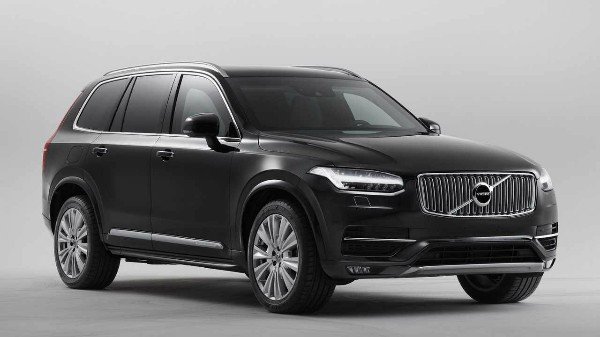
At the beginning of 2021, Volvo announced that it would completely switch to electric vehicles by the end of the decade, but like many other car manufacturers, it has since abandoned that ambitious promise.
So last year it revised its goal: by 2030, 90 to 100 percent of its offerings will consist of either plug-in hybrids or fully electric vehicles.
In the first nine months of this year, electric car sales fell by 21 percent compared to 2022, while plug-in hybrids declined by one percent. Together, they made up 227,317 units, or 44.2 percent of total sales. Despite this, Volvo is confident that the internal combustion engine’s days are numbered.
CEO Håkan Samuelsson recently predicted that “the industry will be electric in about 10 years.” Even so, it now looks like the Chinese Geely-owned brand will stick with internal combustion engines for a while longer. Speaking to Automotive News Europe, the 74-year-old executive admitted that petrol engines are likely to remain part of the portfolio until at least the end of the next decade:
“We need a second-generation plug-in hybrid to last us until the end of the 2030s. We can’t dictate that [the end of the internal combustion engine].”
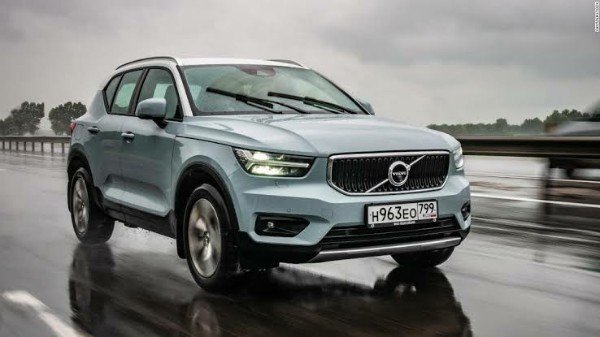
Volvo is targeting plug-in hybrid electric vehicles (PHEVs) as a temporary solution, planning to sell the new XC70 outside of China. While it’s confirmed for Europe, Samuelson noted it likely won’t arrive until after 2027 due to the time needed to meet emissions and safety regulations and to adapt the infotainment system for Google Android Automotive.
Models like the new XC70 make sense for Volvo because of its long-range plug-in hybrid system. The SUV has a 39.6 kWh battery pack sufficient for 200 km of electric range, although that figure is based on China’s mild CLTC test cycle. It would certainly be lower by WLTP or EPA standards.
A replacement for the XC90 has also been confirmed. This luxury SUV got its second facelift about a year ago, but at 10 years old, it’s showing its age. According to Automotive News, its successor may not arrive until 2028. When that happens, it will be available as an Electric Extended Range Vehicle (EREV) with about 100 miles (160 km) of electric range.
Samuelson sees potential for EREVs. Unlike a conventional plug-in hybrid, the EREV’s combustion engine acts solely as a generator to charge the battery. This setup solves the range problem without the need for a massive battery. Samuelson calls EREVs a “second-generation hybrid” or “more of an electric car with a backup engine.”
Whether they’re PHEVs or EREVs, the internal combustion engine still has a future in Volvo’s lineup despite earlier retirement plans. The company stopped making diesel engines last year but intends to keep gasoline engines around for another 15 years.








-

 News1 week ago
Kaduna Governor Unveils 2026 Peugeot 3008 And 5008 SUVs, Urges Govt Patronage
-

 Auto Sport1 week ago
Italian GP: Lewis Hamilton Turns Heads With His Ferrari F40 — Why His “Dream” Car Is So Special
-

 Celebrities Auto5 days ago
Afrobeats Star Kizz Daniel Splashes ₦1.6 Billion On Brand New 2026 Ferrari Purosangue SUV
-

 News6 days ago
Top Auto News Last Week: Uber Exits Nigeria, Launches UK Robotaxi, Tesla Debuts Steering-Wheel-Free Cybercab, Kaduna Gov Unveils 2026 Peugeot 3008 And 5008
-
 News1 week ago
No Steering Wheel, Brake Pedal: US Launches Probe Into Elon Musk’s ‘Cybercab’ Self-Driving Taxis
-
 Celebrities Auto5 days ago
Burna Boy’s ₦9 Billion Bugatti Chiron VXX: The Making By Venuum
-

 News1 week ago
Kuwait Arrests Driver For Reckless Stunts, Forces Him To Watch His Car Get Crushed, Flattened Into Scrap Metal
-

 Auto Fun7 days ago
Police Impound Fake Armored ‘Beast’ Limo After Trump Look-alike’s Motorcade Stunt Violates Law