
News
European Union Makes Slight Adjustments To The Chinese EV Tariffs

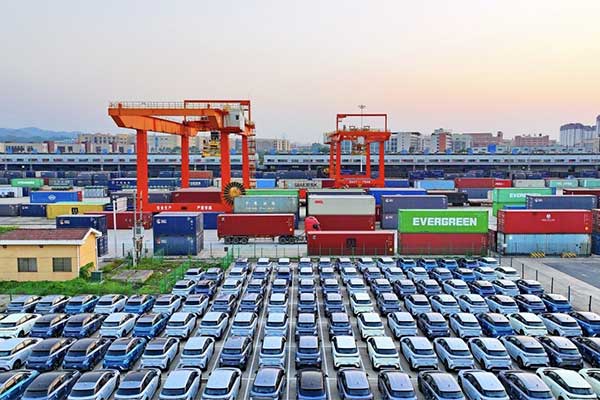
The European Union has made slight adjustments to its proposed tariffs on Chinese electric vehicles after receiving feedback from impacted companies, offering a minor concession in the ongoing trade dispute. However, the revised tariffs still impose a significant burden on Chinese automakers, raising concerns about protectionist tendencies within the EU.
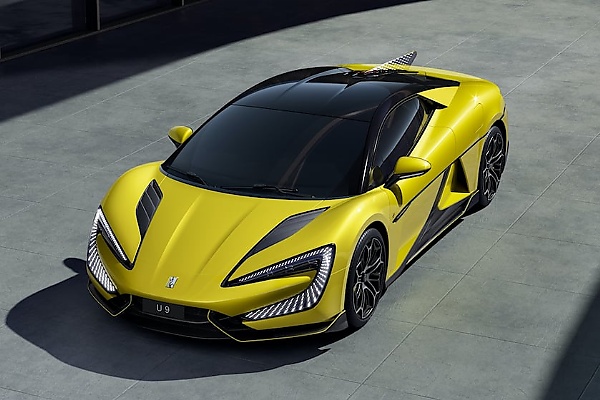
Initially, the EU proposed tariffs ranging from 17.4% to 38.1% on various Chinese EV manufacturers, including SAIC Motor Corp., Geely Automobile Holdings Ltd., and BYD. After reconsidering, the EU slightly reduced these tariffs, now ranging from 17.4% to 37.6%. While these adjustments may seem minor, they represent a concession to Chinese EV makers, who have been lobbying against the tariffs.
The revised tariffs are to become provisional on July 4 and will be finalized in November should negotiations between Chinese authorities and the EU fail. Tesla, which requested to be included in the investigation, may receive a separate, individually calculated duty rate at the final stage. This development highlights the complexities of the investigation and the potential for further adjustments in the future.
The EU’s anti-subsidy investigation, initiated in October 2023, aims to address concerns about unfair competition from Chinese EV manufacturers, who are allegedly benefiting from government subsidies. However, China has vehemently opposed the tariffs, calling them protectionist and urging the EU to resolve the dispute through dialogue and consultation.
In response to China’s concerns, the two parties have agreed to initiate consultations on the matter. This diplomatic effort suggests a willingness to find common ground and avoid escalating the trade dispute further. However, the EU’s continued imposition of tariffs, even with minor adjustments, raises questions about whether the negotiations will be successful.
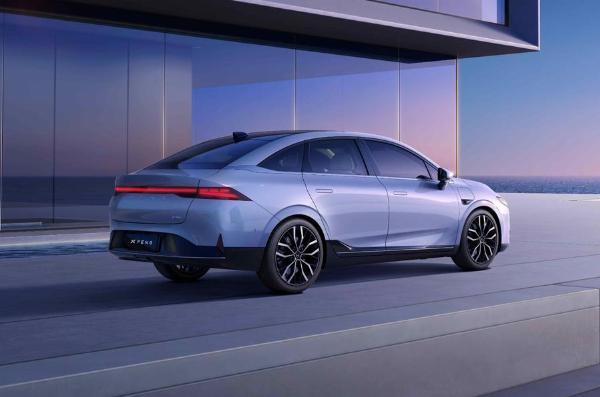
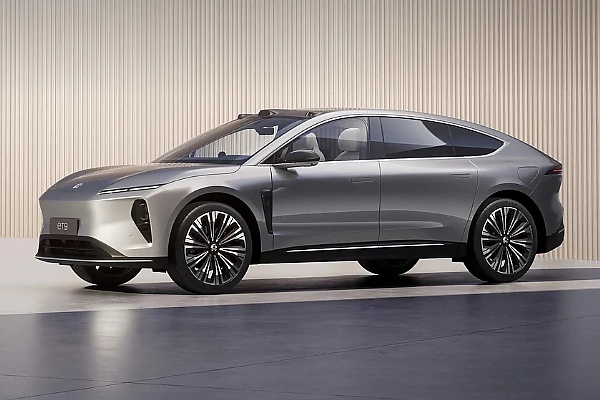
The tariffs will undoubtedly impact Chinese EV makers operating in the European market, such as Nio and XPeng. Both companies cooperated with the investigation but were not individually sampled, meaning they will face a weighted average tariff of 20.8%. While this is slightly lower than the previously announced 21%, it still adds a significant cost to their vehicles, potentially hindering their competitiveness in the European market.






-
 Celebrities Auto4 days ago
Throwback: When KC Luxury Boasted Of Being The Only Person In The World To Own Two Rare Mercedes-Maybachs
-
 Celebrities Auto6 days ago
Inside KC Luxury’s Car Collection: From A ₦2.5B Brabus 800 Adventure XLP To Alicia Keys’ Former Maybach
-
 News1 week ago
Mansa Fulfills Challenge: TikTok Star Peller Gifted ₦300 Million Mercedes-Benz G-Wagon
-
 News1 week ago
Ultra-Rare, Centre-Driving McLaren F1 GTR Fetches Record $34.6 Million At Auction
-
 News1 week ago
Porsche And Chinese Company Xpeng Collaborate To Lower Average Emissions In Europe
-
 News16 hours ago
Andrew Tate’s Lawyers Claim His Famous Bugatti And Aston Martin Are Rented
-
 News4 days ago
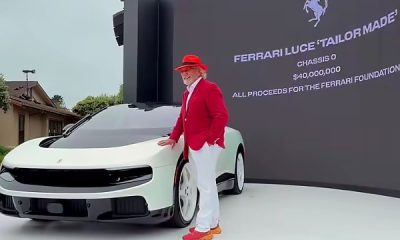
Who Is Herbert Wertheim? The 87-Year-Old Billionaire Who Bought The $40M Ferrari Luce “Chassis 0”
-

 News1 week ago
“Wike Carry ‘Rivers’ Come Abuja”: Citizens React As Flash Floods Submerge Luxury Vehicles