
News
Washington Desires More Automobiles Made in America. Detroit Says It Will Cost You More

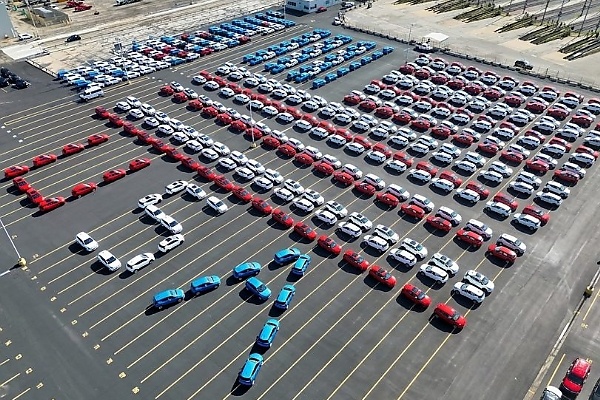
Detroit’s automakers warn that upcoming North American trade deal changes could increase costs by billions, potentially hurting competitiveness despite efforts to boost U.S. manufacturing.
In a report by Reuters, it is noted that Ford, General Motors, and Stellantis are organizing a coordinated lobbying effort in anticipation of the upcoming U.S.-Mexico trade negotiations. The primary concerns for these manufacturers involve a proposed mandate requiring at least 50 percent U.S.-sourced content for tariff eligibility, as well as a potential increase to the existing 75 percent North American content requirement stipulated by the current treaty.
Industry analysts estimate that these regulatory adjustments could impose an additional $2 billion in annual costs on each Detroit-based automaker, compounding the existing financial burden of current tariffs. General Motors projects total tariff-related expenses between $2.5 billion and $3.5 billion for the current year, while Ford anticipates a net impact of approximately $1 billion. Consequently, these added expenses threaten to further diminish vehicle affordability for consumers.
While the mandate to increase domestic production aims to strengthen the U.S. manufacturing sector, the global nature of automotive supply chains presents significant practical challenges. Vehicles require a diverse array of components sourced from international markets, and adjusting tariff requirements does not immediately alter the established geographical locations of these suppliers. Nevertheless, such policy shifts exert considerable pressure on manufacturers to realign their operations.
Ford has signaled its alignment with these shifting priorities, announcing this week that it will relocate production of Lincoln models for the U.S. market from China to domestic facilities. CEO Jim Farley noted that the company recognized the administration’s clear intent to prioritize the reshoring of automotive manufacturing.
Despite this move, the “Big Three” remain concerned regarding competitive equity. They argue that foreign competitors from Japan, South Korea, and Europe benefit from a more straightforward 15 percent tariff structure, whereas domestic manufacturers contend with a complex framework of levies on vehicles, components, steel, and aluminum. Ironically, policies intended to bolster North American production may inadvertently undermine the global competitiveness of domestic automakers.










-

 Business1 week ago
Dangote Cement Rewards Top Distributor With New 2026 Lexus LX700h Worth Over ₦400 Million
-

 Celebrities Auto3 days ago
Inside KC Luxury’s Car Collection: From A ₦2.5B Brabus 800 Adventure XLP To Alicia Keys’ Former Maybach
-

 News6 days ago
Mansa Fulfills Challenge: TikTok Star Peller Gifted ₦300 Million Mercedes-Benz G-Wagon
-

 News6 days ago
Ultra-Rare, Centre-Driving McLaren F1 GTR Fetches Record $34.6 Million At Auction
-

 Celebrities Auto19 hours ago
Throwback: When KC Luxury Boasted Of Being The Only Person In The World To Own Two Rare Mercedes-Maybachs
-

 News5 days ago
Porsche And Chinese Company Xpeng Collaborate To Lower Average Emissions In Europe
-

 Auto Sport1 week ago
Tractor Maker’s JCB Hydromax Sets New 406-mph World Land Speed Record For A Hydrogen-powered Vehicle
-

 News5 days ago
“Wike Carry ‘Rivers’ Come Abuja”: Citizens React As Flash Floods Submerge Luxury Vehicles