
Car Facts
According To A Recent Study, Used EVs Are Retaining Their Charge Better Than Anticipated

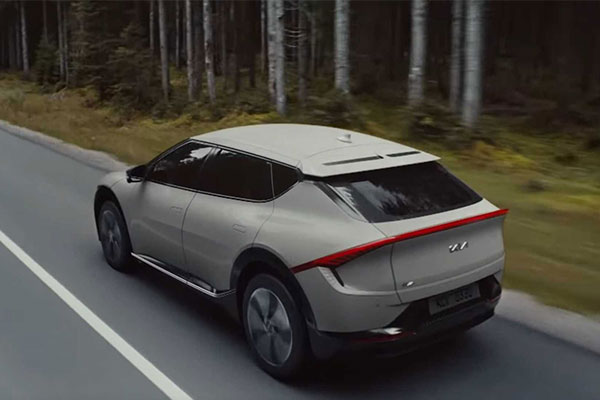
Acquiring an electric car raises concerns about the battery’s range, size, and longevity. Many worry that the expensive battery will become obsolete, questioning whether it will fail in five years or be costly to replace. However, a new study from Sweden indicates that these fears may be exaggerated.
Swedish used car broker Kvdbil analyzed 1,300 used electric cars and plug-in hybrids and found that eight out of ten still had over 90 percent of their original battery capacity. This indicates that battery degradation is less of a concern for most owners than previously thought, showcasing the technology’s durability.
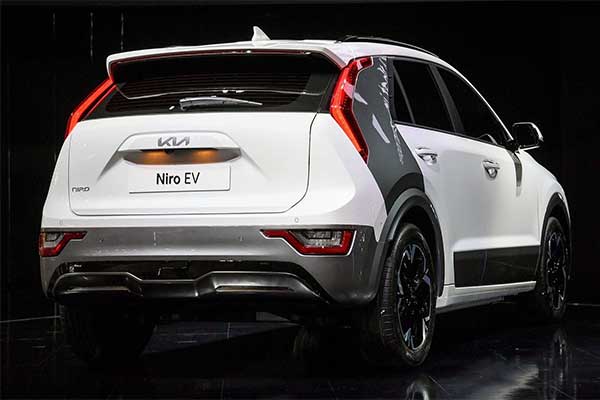
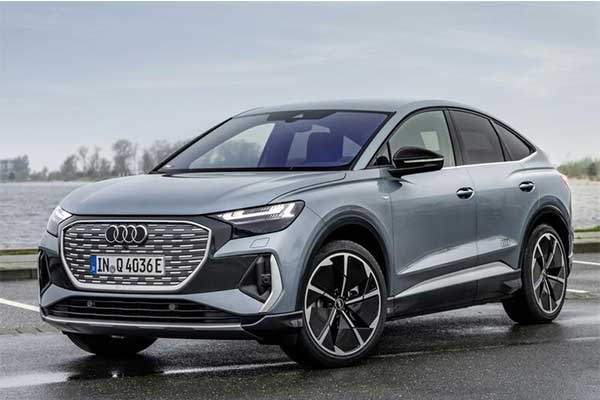
The results are positive for most electric vehicle models, with the Kia EV6 recognized for having the least battery degradation and earning the top spot. Kia’s e-Niro followed in second place, placing the brand ahead of major competitors. The Tesla Model Y and Audi Q4 e-tron also ranked among the top performers, in third and fourth places, respectively. This metric is a simple way to compare a battery’s current condition to its total capacity when it was brand new. The team tested 723 all-electric cars and 643 plug-in hybrids, giving them a large set of data.
The results were so positive that they even surprised the researchers. “We have seen indications of this before,” said Martin Reinholdsson, the test manager at Kvdbil. “We were a bit surprised that there were so many that were this good.”
Kvdbil did not release a list of the worst-performing cars, as the few batteries with poor health were not tied to any specific brand or model. Instead, significant wear was linked to high mileage and age. The analysis indicated that battery issues stem from age, climate, driving style, and charging habits rather than design. This emphasizes that how you care for your electric car matters more than its manufacturer.
| Brands With Best Battery Health | EV Models With Healthiest Battery | |
|---|---|---|
| 1. | Kia | Kia EV6 |
| 2. | Audi | Kia e-Niro |
| 3. | Opel | Tesla Model Y |
| 4. | Tesla | Opel Mokka-e |
| 5. | Mercedes | Mazda MX-30 |
| 6. | Peugeot | Audi Q4 e-tron |
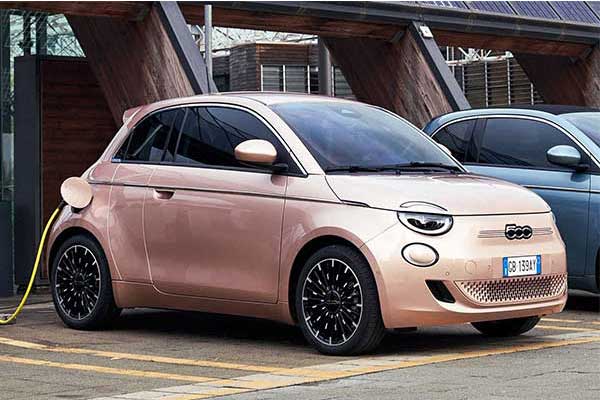
| 7. | Volvo | Fiat 500e |
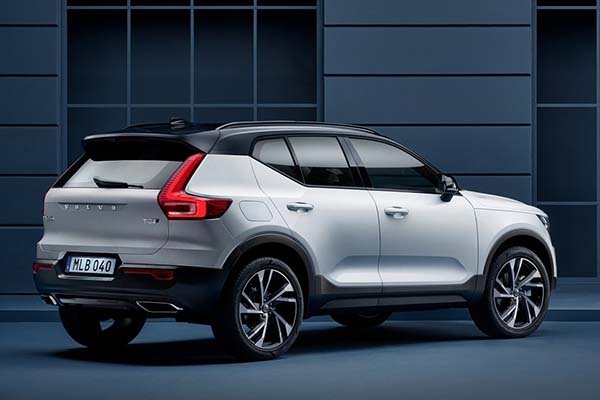
| 8. | BMW | Volvo XC40 Recharge |
| 9. | Volkswagen | Citroen e-C4 |
| 10. | Skoda | Volkswagen ID.4 |
Electric car owners can significantly influence their battery’s lifespan. Here are some key tips from Reinholdsson:
1. Avoid charging to 100 percent nightly; aim for 80 percent for daily driving.
2. Limit the use of DC fast charging to road trips, as frequent use can generate heat and stress on the battery.
3. Prevent parking in extreme temperatures for long periods.
The Kvdbil study isn’t alone in its findings; a report from RSEV, a British dealer, shows similar results. It found that the average electric car retains 90 percent of its battery capacity after 144,800 km. This suggests that the first generation of modern electric cars is more durable than critics expected. The technology is reliable, but manufacturers now face the challenge of gaining public trust in it.







-

 News1 week ago
Kaduna Governor Unveils 2026 Peugeot 3008 And 5008 SUVs, Urges Govt Patronage
-

 Celebrities Auto7 days ago
Afrobeats Star Kizz Daniel Splashes ₦1.6 Billion On Brand New 2026 Ferrari Purosangue SUV
-

 News1 week ago
Top Auto News Last Week: Uber Exits Nigeria, Launches UK Robotaxi, Tesla Debuts Steering-Wheel-Free Cybercab, Kaduna Gov Unveils 2026 Peugeot 3008 And 5008
-
 Celebrities Auto7 days ago
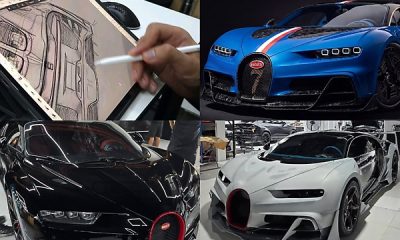
Burna Boy’s ₦9 Billion Bugatti Chiron VXX: The Making By Venuum
-

 Car Theft1 day ago
Fear Of Theft: Indian Man Hires Crane To Park New Mahindra SUV On Rooftop Before Traveling To Israel
-

 Auto Fun1 week ago
Police Impound Fake Armored ‘Beast’ Limo After Trump Look-alike’s Motorcade Stunt Violates Law
-
 News4 days ago
Mercedes-AMG CLE 646 Spezialanfertigung: Sold-Out 646-HP Collector’s Item Limited To Just 30 Units
-

 Auto Sport1 week ago
New Mercedes-Benz S-Class “140 Years. 140 Places” Global Tour Reaches Africa As Nigeria Misses Out