
News
Ford Wants To Be Compensated For Producing Cars In The US

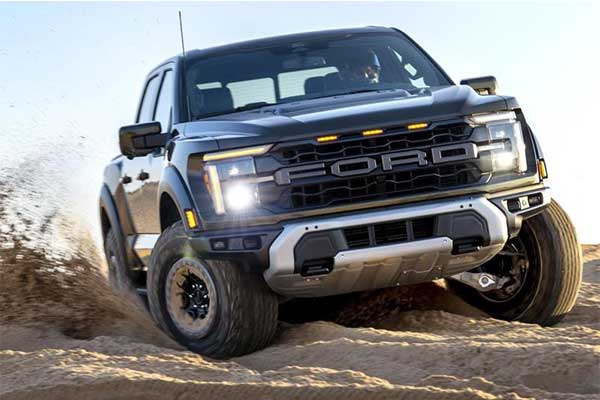
As USMCA negotiations resume, Ford CEO Jim Farley is pushing for a trade deal that favors domestic manufacturing and penalizes competitors heavily reliant on foreign imports.
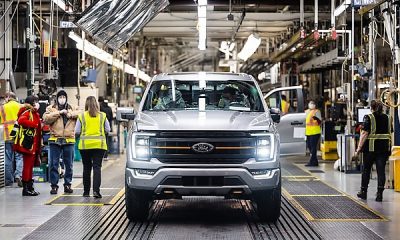
Ford CEO Jim Farley’s primary argument is based on a foundational economic principle: companies that manufacture products within the United States should be the primary beneficiaries of the American market. For years, several major automakers have capitalized on reduced labor costs by shifting production to regions such as Japan, South Korea, and Mexico. In contrast, Ford maintains a substantial domestic operational footprint and currently employs the highest number of United Auto Workers in the automotive industry.
Recent industry data underscores a significant divergence in how Detroit’s legacy manufacturers and global competitors structure their respective supply chains. Last year, Ford assembled over two million vehicles within the United States, leading the industry in domestic production. Of its 2.2 million domestic sales, only 17 percent—totaling 378,000 vehicles—were imported. Furthermore, Ford serves as a major global supplier, having exported 311,000 U.S.-manufactured units to more than 60 international markets.
Ford CEO Jim Farley is lobbying for USMCA trade terms that favor domestic manufacturing over competitors heavily reliant on imports. While rivals like GM and Toyota import nearly half their U.S. sales, Ford leads in domestic production. Ford argues this creates an uneven playing field and is using its production data to push for policy changes that penalize high-import manufacturers.






-
 News1 week ago
CR7’s $40M Car Collection, Lamborghini Revuelto SV, Xiaomi SkyNomad Series, Genesis GV90, News In August
-

 News4 days ago
Kaduna Governor Unveils 2026 Peugeot 3008 And 5008 SUVs, Urges Govt Patronage
-
 Auto Sport6 days ago
Italian GP: Lewis Hamilton Turns Heads With His Ferrari F40 — Why His “Dream” Car Is So Special
-
 News1 week ago
Ferrari F40: Lewis Hamilton Acquires Childhood Dream Car After Selling Entire $30 Million Car Collection
-

 Celebrities Auto1 week ago
Chinese President Xi Jinping’s Impressive Motorcade Turns Heads In Egypt
-

 News1 week ago
Talented Ahmad: Meet 18-Year-Old Nigerian Creator Who Built Drivable G-Class SUV From Scratch
-
 News7 days ago
Toyota Hit By Long Waiting Times As The RAV4 Still Hasn’t Gotten To Customers
-
 News5 days ago
No Steering Wheel, Brake Pedal: US Launches Probe Into Elon Musk’s ‘Cybercab’ Self-Driving Taxis