
News
Jeep, Ram,Peugeot And Fiat Are The Brand Stellantis Wants To Focus On


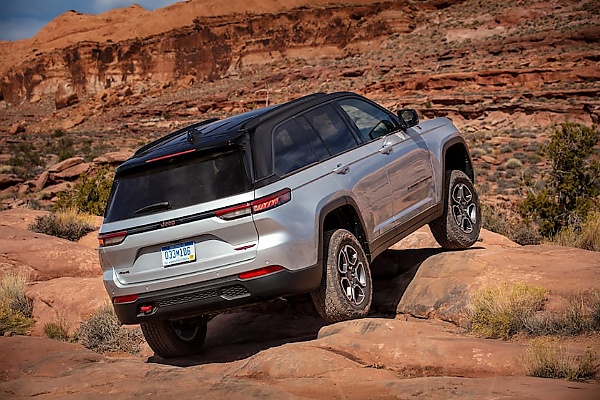
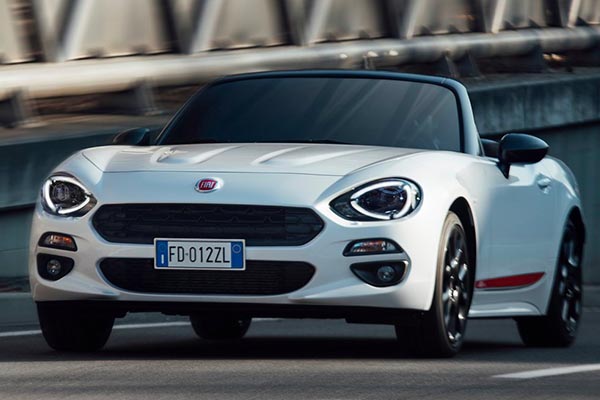
Stellantis, the auto giant with a portfolio that has more brands than some manufacturers have models, is reportedly changing its strategy and plans to treat only some of them with special attention. Specifically, according to new reports, Chief Executive Officer Antonio Filosa’s new strategy will direct most of the investment toward the Jeep, Ram, Peugeot, and Fiat brands.
Such a decision would make sense from a strictly business perspective. Jeep and Ram remain a key source of earnings, especially in North America. Peugeot is one of the group’s strongest names in Europe, while Fiat continues to have significant influence in several markets and provides Stellantis with a presence in affordable segments.
The fate of other brands
The more interesting part of the plan concerns the fate of the others. Stellantis also owns Alfa Romeo, Citroen, Opel, DS, Lancia, Maserati, and others, and it seems that none of them will have a decisive influence on important decisions. Even Dodge doesn’t get a seat at the head table. Instead of shutting down entirely, the plan is reportedly to use many of those brands more selectively, in countries or segments where they still have commercial appeal.
Therefore, instead of each brand getting its own expensive and customized future and a significant part of the investment pie, second-tier brands could borrow platforms, powertrains, and electronics from the privileged four. That could mean more model renaming than loyal fans of certain brands would like, and the report suggests that just such vehicles, tailored to local tastes, are one possible route.
Shutdown delay
However, it seems that those brands will at least survive, as Filosa reportedly does not want to start the shutdown, reports Reuters. Closing down a car brand can save money, but reviving it later is difficult, expensive, and often impossible.
Names like Lancia or Alfa Romeo, which at times were considered defunct, still carry heritage value, even if that heritage doesn’t always pay the quarterly bills.
Financial pressures
The pressure on Stellantis is real. The company has lost market share in both America and Europe as Chinese brands continue to expand. Like other manufacturers, it has recently taken a huge financial hit from changing plans for electric vehicles, underscoring how quickly the market has moved away from earlier assumptions.
This is precisely why shared, cross-functional platforms are more important now than ever. Cars that can support both gasoline, hybrid, and electric powertrains give manufacturers flexibility at a time when customers and regulations don’t stick to one script.











-

 Celebrities Auto1 week ago
Lionel Messi Just Ordered Sunreef’s ULTIMA 88 Luxury Yacht, Worth Up To $10.7 Million
-

 Car Theft1 week ago
Man Flees With Stolen Tundra During Test-Drive, Crashes Into Lagos Canal After Damaging Dozens Of Vehicles
-
 News1 week ago
The Toyota Mirai Is Turning Out To Be The Worst Resale Value Car The Company Has Ever Made
-
 News1 week ago
The New Electric Jaguar Type 01 Has Reportedly Received 50,000 Orders
-
 News1 week ago
BMW Considers New Flagship SUV To Sit Above The X7, Specifically For US Market
-

 News5 days ago
OMODA & JAECOO Strengthen European Presence, Record 73,421 Global Sales
-
 News1 week ago
Alfa Romeo Cuorerosso Concept Debuts With 2+2 Coupé Design, 2.9L V6 Full-Hybrid Powertrain
-

 News1 week ago
BMW Is Bringing The V8 Back In Another Model