
News
Moscow Switches From Diesel Buses To Electric, Now Has 600, The Biggest In European City

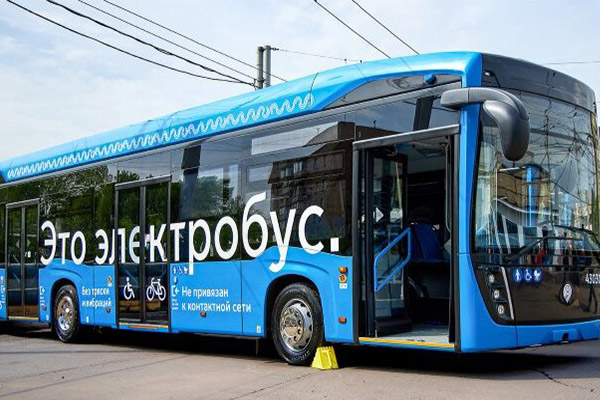
Russia’s capital city Moscow switches from diesel buses to electric.
Now has 600 battery electric buses, which beats any other European city.
Moscow, the capital of Russia is going electric, as the Mayor of Moscow announced that starting this year, the city will not buy diesel buses, except for transportation in a special mode.
According to him, “Electric buses are fully coping with transportation in the conditions of the Moscow winter; the innovative transport has already worked for the third season without interruptions. In the Moscow winter, temperatures normally drop to approximately −10 °C (14 °F); winter runs from the beginning of November to the end of March.”
Mosgortrans, the company that runs the bus and tram network in Moscow, already operates some 600 battery electric buses. It beats any other European city. It is expected that by the end of this year it would reach 1,000.
The electrification of the fleet progresses quite well and it appears that cold winters are not a problem at all thanks to the use of lithium titanate batteries (LTO). Over 2.5 years, the fleet covered more than 40 million kilometers and carried more than 90 million passengers.
The LTP batteries have a much lower energy density than most of the other types of lithium-ion batteries but can operate at a wide temperature range and fast charge in minutes. This is why Moscow expands also the fast charging infrastructure (200 new spots coming this year), which allows it to keep the fleet running the entire day.
Earlier this year, Kamaz, the largest supplier of the electric buses in Moscow, launched a new assembly plant in the city (announced in 2019) dedicated to EVs. Its initial output is up to 500 units annually and at a later point it will be increased to 700 annually.
That sounds like a lot, but also the contracts are large – the most recent, fourth order, is for 350 electric buses – 150 units to be deployed by the end of July, and the remaining 200 by the end of this year.
Also, Kamaz’s supplier of battery packs and propulsion – Drive Electro – benefits from the high demand of EVs and reported order of components for 200 additional units (on top of 400 delivered previously).
By the end of 2024, the number of electric buses is expected to increase to over 3,000.






-
 Celebrities Auto1 week ago
Swedish Soccer Icon Zlatan Ibrahimovic Buys $4 Million Ferrari F80 For 45th Birthday (Photos)
-
 News1 week ago
Who Owns Who? World’s Largest Automakers And The Car Brands They Currently Control
-

 News4 days ago
Carloha Goes “The Extra Mile” To Redefine Vehicle Ownership Experience In Nigeria
-

 Celebrities Auto4 days ago
No Innoson This Year As BBNaija Season 11 Winner Temi Receives ₦60m Hyundai Tucson, ₦90m Cash Prize
-

 News1 week ago
Porsche Will Fit A Petrol Engine In The Macan Again In 2028
-
 News1 week ago
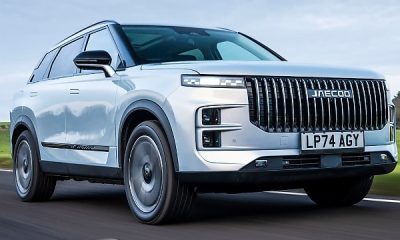
‘Temu Range Rover’ Jaecoo 7 Tops UK Car Sales In September As Chinese Brands Continue Their Global Rise
-

 Celebrities Auto1 week ago
Cars Owned By Coscharis CEO Cosmas Maduka, From Rolls-Royce And Grenadier To Range Rover
-
 Latest Cars2 days ago
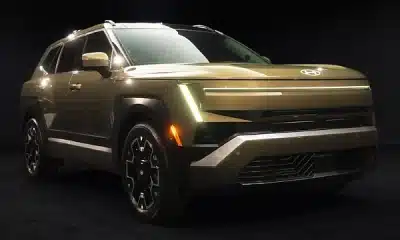
All-New 2027 Hyundai Tucson Unveiled With Bolder Design, Hybrid Power And New Tech


