
News
3 Chinese Car Chip Distributors Fined By Regulators For Hiking Prices As Much As 40 Times

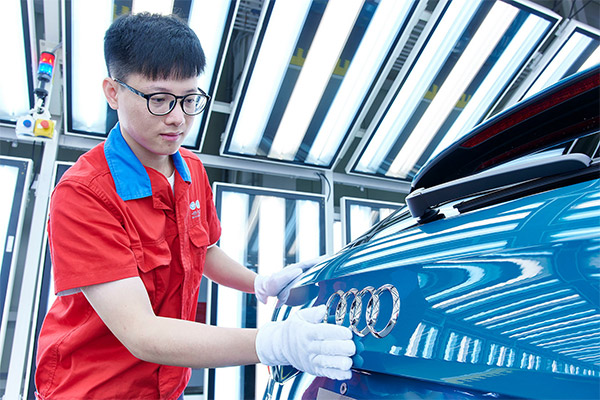
Three (3) Chinese car chip distributors fined by regulators for hiking prices as much as 40 times.
The three companies were fined $387,870 by the State Administration of Market Regulation (SAMR).
The price hike is well above the 7–10 percent increase deemed normal for balanced supply and supply.
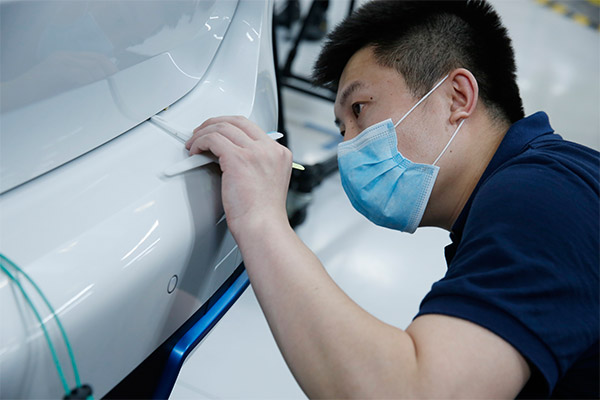 Chinese regulators have fined three distributors of automotive semiconductors (car chips) for unfair pricing. It’s seen as a move that will help the Chinese car industry which, like the rest of the world, is feeling the pinch of the global chip crisis.
The three companies, Shanghai Cheter, Shanghai Chengsheng Industrial, and Shenzhen Yuchang Technologies, were fined 2.5 million yuan ($387,870) by the State Administration of Market Regulation (SAMR).
According to a report by South China Morning Post, the regulator was investigating the practice of chip hoarding. It was found that the three companies had increased prices by as much as 40 times.
The unprecedented price hike is well above the 7–10 percent increase deemed normal for balanced supply and supply. The fluctuating prices also compelled car manufacturers and component makers to panic-buy chips, stockpiling and further aggravating the problem.
Like many other countries, 90 percent of China’s automotive chips are imported. In July, China faced a 16 percent decline in new car sales, which was attributed to the chip shortage.
Audi is reported to have scaled back manufacturing, while two of Toyota’s Chinese plants have been subject to Toyota’s 40 percent global production cut.
Meanwhile, in the US, car sales dropped by 17 percent in August, with Ford and GM, among many others, forced to halt production and cut back on options for some of their vehicles.
There seems to be little hope for a quick recovery either, as Stellantis expects the global semiconductor shortage to continue into next year.
Daimler thinks it could be even worse, with their chief executive Ola Kallenius suggesting that the automotive industry could continue to encounter semiconductor shortages into 2023.

-

 Celebrities Auto5 days ago
Inside KC Luxury’s Car Collection: From A ₦2.5B Brabus 800 Adventure XLP To Alicia Keys’ Former Maybach
-

 Celebrities Auto3 days ago
Throwback: When KC Luxury Boasted Of Being The Only Person In The World To Own Two Rare Mercedes-Maybachs
-

 News1 week ago
Mansa Fulfills Challenge: TikTok Star Peller Gifted ₦300 Million Mercedes-Benz G-Wagon
-
 News1 week ago
Ultra-Rare, Centre-Driving McLaren F1 GTR Fetches Record $34.6 Million At Auction
-
 News1 week ago
Porsche And Chinese Company Xpeng Collaborate To Lower Average Emissions In Europe
-

 News1 week ago
“Wike Carry ‘Rivers’ Come Abuja”: Citizens React As Flash Floods Submerge Luxury Vehicles
-
 News4 days ago
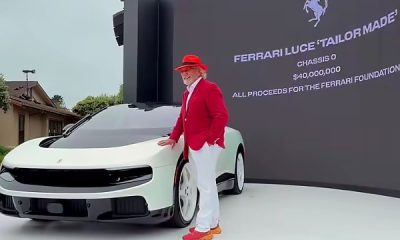
Who Is Herbert Wertheim? The 87-Year-Old Billionaire Who Bought The $40M Ferrari Luce “Chassis 0”
-
 News1 week ago
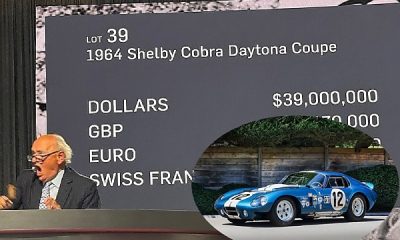
American Icon Shelby Cobra Daytona Coupe That Beat Ferrari 250 GTO In 1965 Sells For Record $42.9 Million