
News
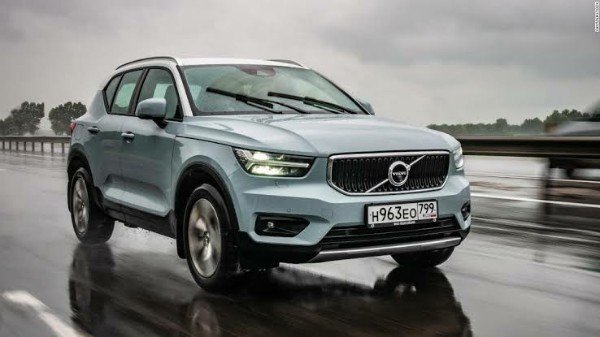
Volvo To Stick With Petrol Powered Vehicles For the Time Being

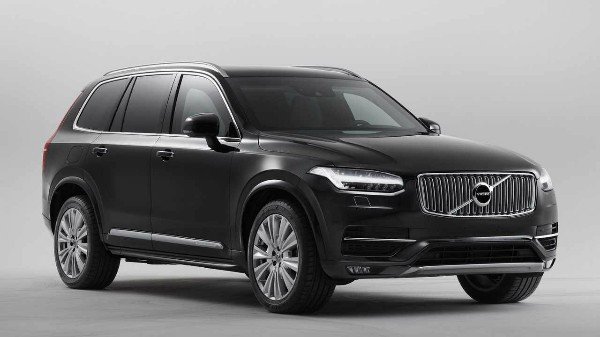
At the beginning of 2021, Volvo announced that it would completely switch to electric vehicles by the end of the decade, but like many other car manufacturers, it has since abandoned that ambitious promise.
So last year it revised its goal: by 2030, 90 to 100 percent of its offerings will consist of either plug-in hybrids or fully electric vehicles.
In the first nine months of this year, electric car sales fell by 21 percent compared to 2022, while plug-in hybrids declined by one percent. Together, they made up 227,317 units, or 44.2 percent of total sales. Despite this, Volvo is confident that the internal combustion engine’s days are numbered.
CEO Håkan Samuelsson recently predicted that “the industry will be electric in about 10 years.” Even so, it now looks like the Chinese Geely-owned brand will stick with internal combustion engines for a while longer. Speaking to Automotive News Europe, the 74-year-old executive admitted that petrol engines are likely to remain part of the portfolio until at least the end of the next decade:
“We need a second-generation plug-in hybrid to last us until the end of the 2030s. We can’t dictate that [the end of the internal combustion engine].”
Volvo is targeting plug-in hybrid electric vehicles (PHEVs) as a temporary solution, planning to sell the new XC70 outside of China. While it’s confirmed for Europe, Samuelson noted it likely won’t arrive until after 2027 due to the time needed to meet emissions and safety regulations and to adapt the infotainment system for Google Android Automotive.
Models like the new XC70 make sense for Volvo because of its long-range plug-in hybrid system. The SUV has a 39.6 kWh battery pack sufficient for 200 km of electric range, although that figure is based on China’s mild CLTC test cycle. It would certainly be lower by WLTP or EPA standards.
A replacement for the XC90 has also been confirmed. This luxury SUV got its second facelift about a year ago, but at 10 years old, it’s showing its age. According to Automotive News, its successor may not arrive until 2028. When that happens, it will be available as an Electric Extended Range Vehicle (EREV) with about 100 miles (160 km) of electric range.
Samuelson sees potential for EREVs. Unlike a conventional plug-in hybrid, the EREV’s combustion engine acts solely as a generator to charge the battery. This setup solves the range problem without the need for a massive battery. Samuelson calls EREVs a “second-generation hybrid” or “more of an electric car with a backup engine.”
Whether they’re PHEVs or EREVs, the internal combustion engine still has a future in Volvo’s lineup despite earlier retirement plans. The company stopped making diesel engines last year but intends to keep gasoline engines around for another 15 years.








-

 Business1 week ago
Dangote Cement Rewards Top Distributor With New 2026 Lexus LX700h Worth Over ₦400 Million
-
 News1 week ago
Davido’s Mystery Supercar? Mansory Teases One-Off Open-Top Masterpiece Believed To Be Bugatti Mistral
-

 News3 days ago
Ultra-Rare, Centre-Driving McLaren F1 GTR Fetches Record $34.6 Million At Auction
-

 News4 days ago
Mansa Fulfills Challenge: TikTok Star Peller Gifted ₦300 Million Mercedes-Benz G-Wagon
-
 News1 week ago
The Four-Cylinder Engine Issues With Jaguar Land Rover Are Still There
-
 Latest Cars1 week ago
Lexus Updates The ES For 2027, And It Will Be Made In Japan
-

 News1 week ago
Moment Fiat Panda Drives Onto Runway And Crashes Into Private Jet Taxiing At Milan Airport
-
 Auto Sport1 week ago
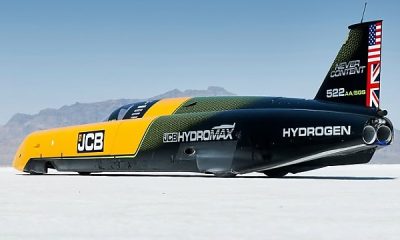
Tractor Maker’s JCB Hydromax Sets New 406-mph World Land Speed Record For A Hydrogen-powered Vehicle